
استمرار العطاء الإنساني في اليمن
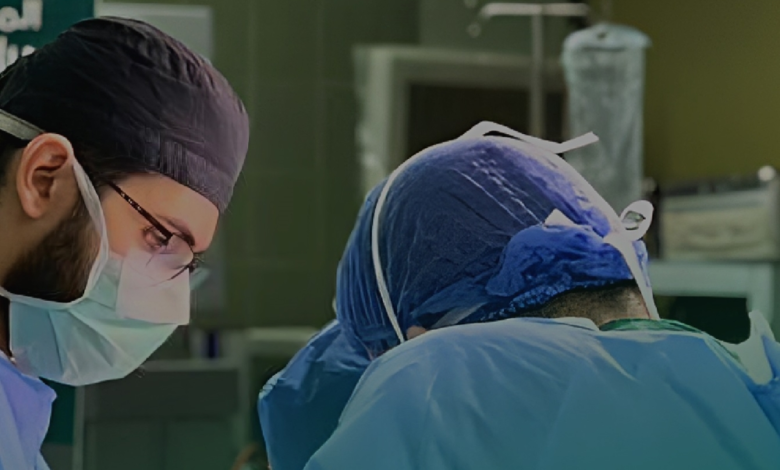
يواصل مركز الملك سلمان للإغاثة والأعمال الإنسانية تقديم جهوده الرائدة في دعم القطاع الصحي في الجمهورية اليمنية، وذلك من خلال استمرار تشغيل العيادات الطبية المتنقلة والثابتة في مديرية رازح التابعة لمحافظة صعدة. تأتي هذه الخطوة استكمالاً للمسيرة الإنسانية التي تقودها المملكة العربية السعودية للوقوف إلى جانب الشعب اليمني الشقيق في ظل الظروف الصعبة التي يمر بها، وتوفير الرعاية الصحية الأساسية للمناطق الأكثر احتياجاً.
السياق العام والخلفية التاريخية للتدخل الإنساني
منذ اندلاع الأزمة اليمنية، تعرض القطاع الصحي لتدهور حاد، مما أدى إلى إغلاق العديد من المستشفيات والمرافق الطبية، ونقص حاد في الأدوية والمستلزمات الأساسية. استجابة لهذا الوضع الإنساني الحرج، تأسس مركز الملك سلمان للإغاثة والأعمال الإنسانية ليكون المظلة الرئيسية للعمل الإغاثي الخارجي للمملكة. وقد وضع المركز اليمن على رأس أولوياته، حيث نفذ مئات المشاريع الصحية والغذائية والإيوائية. وتعتبر محافظة صعدة، وتحديداً مديرية رازح، من المناطق التي تعاني من تحديات جغرافية وأمنية تجعل وصول الرعاية الصحية أمراً بالغ الصعوبة، مما يعكس الأهمية القصوى لتواجد عيادات المركز هناك لإنقاذ الأرواح وتخفيف المعاناة.
تفاصيل الخدمات الطبية المقدمة خلال شهر فبراير
أظهرت الإحصائيات الرسمية الصادرة عن المركز أن العيادات الطبية في مديرية رازح قدمت خدماتها لـ (626) فرداً خلال شهر فبراير. وقد تنوعت هذه الخدمات لتشمل مختلف التخصصات الطبية الضرورية لتلبية احتياجات السكان المحليين، وجاءت التوزيعات على النحو التالي:
- عيادة مكافحة الأمراض الوبائية: استقبلت (217) مريضاً، وهو ما يعكس الجهود المبذولة للحد من انتشار الأوبئة التي تنشط عادة في بيئات النزاع.
- عيادة الحالات الطارئة: قدمت الرعاية الطبية العاجلة لـ (141) مريضاً.
- عيادة الباطنية: راجعها (165) مريضاً للحصول على التشخيص والعلاج المناسب.
- عيادة الصحة الإنجابية: استقبلت (33) حالة، مما يساهم في رعاية الأمهات والحوامل في ظل نقص الكوادر المتخصصة.
- قسم التوعية والتثقيف الصحي: استفاد منه (70) فرداً لتعزيز الوعي المجتمعي للوقاية من الأمراض.
الخدمات المرافقة والرعاية التمريضية
إلى جانب العيادات التخصصية، لعبت الأقسام المساندة دوراً حيوياً في اكتمال دورة العلاج. فقد راجع قسم الخدمات التمريضية (236) فرداً، في حين تم صرف الأدوية المجانية والوصفات الطبية لـ (541) مريضاً. كما استقبل قسم الجراحة والتضميد (4) مستفيدين. وفي إطار الحفاظ على البيئة الصحية ومنع التلوث، نفذت الفرق الميدانية (8) أنشطة مخصصة للتخلص الآمن من النفايات الطبية، وهو إجراء ضروري لمنع انتقال العدوى.
أهمية الحدث وتأثيره المتوقع
على المستوى المحلي، يمثل تشغيل هذه العيادات شريان حياة لآلاف الأسر في مديرية رازح، حيث يقلل من معدلات الوفيات الناتجة عن الأمراض القابلة للعلاج، ويخفف العبء المالي عن كاهل المواطنين. أما على الصعيد الإقليمي، فإن السيطرة على الأمراض الوبائية في صعدة يمنع انتقالها إلى المحافظات المجاورة، مما يعزز الأمن الصحي الإقليمي. دولياً، تؤكد هذه الجهود التزام المملكة العربية السعودية بالمعاهدات الإنسانية الدولية وتحقيق أهداف التنمية المستدامة للأمم المتحدة، وتبرز دور مركز الملك سلمان للإغاثة كشريك فاعل ومؤثر في المنظومة الإنسانية العالمية.