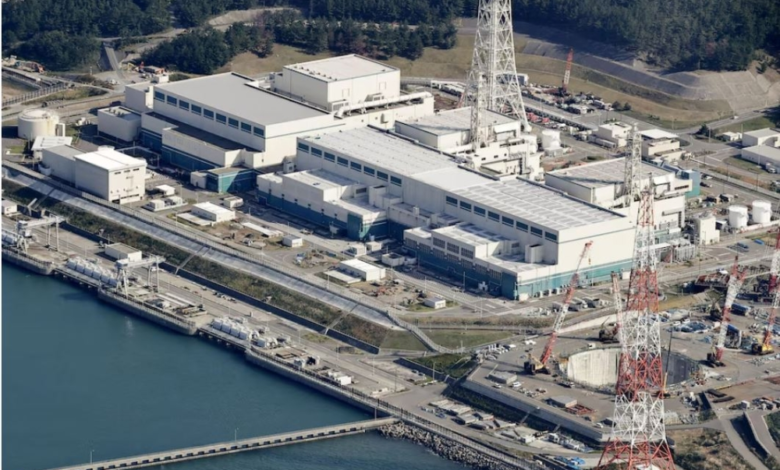

In a historic move representing a radical shift in Japanese energy policy, Niigata Prefecture officially approved the restart of the Kashiwazaki-Kariwa nuclear power plant on Monday. The plant is the world's largest nuclear power plant in terms of generating capacity. This decision comes nearly 15 years after the plant was shut down following the Fukushima Daiichi disaster, opening a new chapter in Japan's energy landscape.
End of the embargo and the return of the nuclear giant
Reuters reported that the approval came after a lengthy series of security reviews and rigorous safety tests. The giant plant, operated by Tokyo Electric Power Company (TEPCO), is located about 220 kilometers (136 miles) northwest of Tokyo. With a peak generating capacity of over 8,200 megawatts, its return to service is crucial to the stability of eastern Japan's power grid.
Historical context: The shock of 2011 and its repercussions
The Kashiwazaki-Kariwa plant was one of 54 nuclear reactors that were gradually shut down following the devastating earthquake and tsunami that struck the country in March 2011. That disaster led to the meltdown of reactors at the Fukushima Daiichi plant, marking the worst nuclear disaster the world had seen since the Chernobyl accident in 1986. Since then, Japan has faced enormous challenges in securing energy sources, relying heavily on costly imports of liquefied natural gas and coal.
Economic and strategic motives
This move comes as the Japanese government seeks to bolster energy security and reduce reliance on imported fossil fuels, particularly in light of global geopolitical volatility and rising energy prices. Restarting nuclear power plants is a key component of Japan's strategy to achieve carbon neutrality by 2050, as well as ensuring a stable electricity supply for industry and homes.
Ongoing efforts in Fukushima
In parallel with the restart plans in Niigata, intensive efforts continue to address the legacy of the past at the devastated site. Last August, technicians at the Fukushima plant deployed sophisticated, remotely controlled robots into one of the damaged reactors. This step is part of the complex preparations for removing radioactive debris and molten fuel, a highly delicate process given the still-high levels of radiation that pose a risk to humans. Removing this debris is considered the most difficult and protracted challenge in the decommissioning process of the plant, which could take decades.
The decision to restart Kashiwazaki-Kariwa not only represents a technological recovery, but also reflects a shift in public and political sentiment in Japan towards accepting nuclear power as an inevitable necessity for a sustainable economic and environmental future.