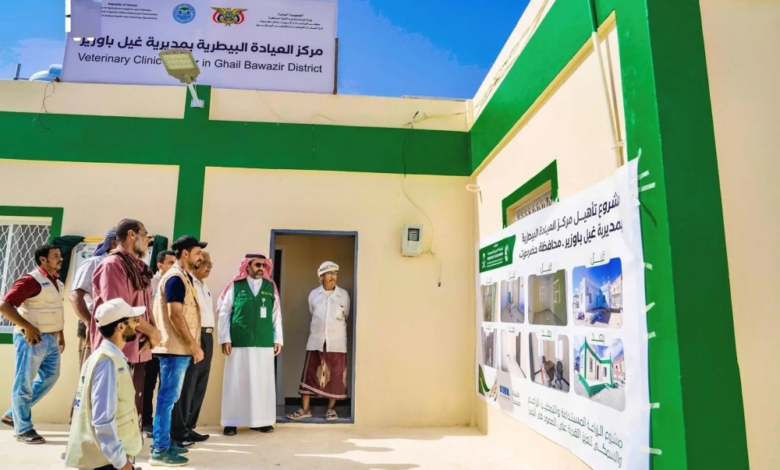

جهود مستمرة لتعزيز الأمن الغذائي في اليمن
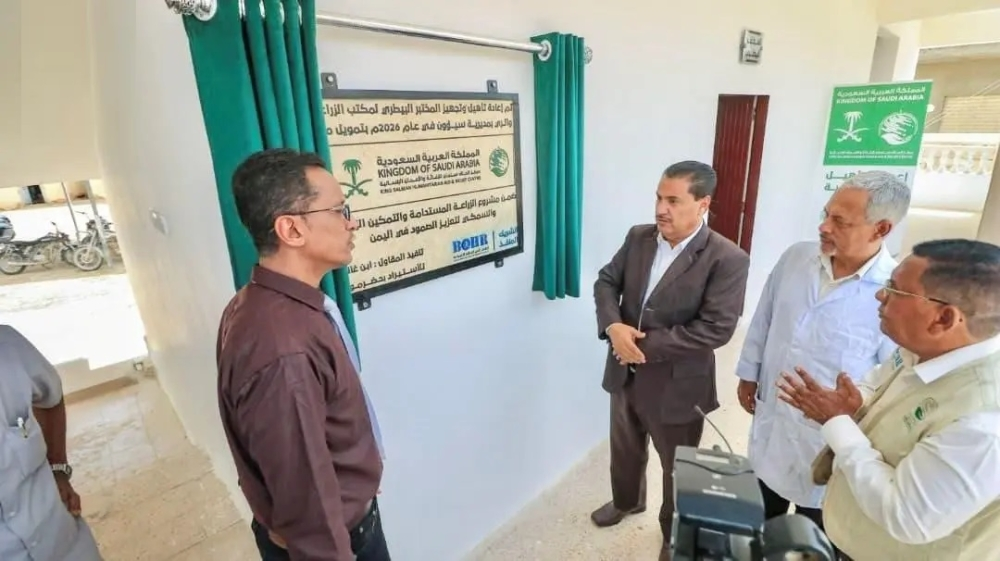
في خطوة تعكس الالتزام المستمر بدعم الشعب اليمني الشقيق، واصل مركز الملك سلمان للإغاثة والأعمال الإنسانية جهوده التنموية والإغاثية من خلال تنفيذ مشاريع استراتيجية تهدف إلى تعزيز الأمن الغذائي ودعم البنية التحتية. وفي هذا السياق، أعلن المركز مؤخراً عن إعادة تأهيل مبنى العيادة البيطرية في مديرية غيل باوزير، بالإضافة إلى الوحدة الصحية التابعة لإدارة الصحة الحيوانية والحجر البيطري في مديرية سيئون بمحافظة حضرموت. يأتي هذا الإنجاز ضمن مشروع الزراعة المستدامة والتمكين الزراعي والسمكي في الجمهورية اليمنية، والذي يهدف إلى خلق بيئة اقتصادية مستدامة.
السياق التاريخي وأهمية التدخلات التنموية
تاريخياً، يعتمد قطاع كبير من الشعب اليمني على الزراعة وتربية المواشي والصيد كمصادر أساسية للدخل. ومع تضرر هذه القطاعات الحيوية جراء الأزمة التي تمر بها البلاد منذ عام 2014، برزت الحاجة الماسة للتدخلات التنموية المستدامة بدلاً من الاكتفاء بالمساعدات الطارئة. ومنذ تأسيسه في عام 2015 بتوجيهات من القيادة السعودية، أخذ مركز الملك سلمان للإغاثة على عاتقه مسؤولية تنفيذ برامج شاملة تسهم في إعادة بناء القطاعات الإنتاجية، مما ينعكس إيجاباً على استقرار الأسر اليمنية وتوفير فرص عمل جديدة، ويقلل من الاعتماد على المساعدات الغذائية المباشرة.
إشادة محلية بالدور الإنساني للمملكة
وقد أعرب المهندس هشام السعيدي، وكيل محافظة حضرموت المساعد لشؤون مديريات الوادي والصحراء، عن شكره وتقديره العميق للمملكة العربية السعودية، ممثلة بمركز الملك سلمان للإغاثة. وأشاد السعيدي بالجهود الإنسانية والإغاثية الكبيرة التي تقدمها المملكة لبلاده بشكل عام، ولمحافظة حضرموت على وجه الخصوص. وأكد أن تأهيل مراكز البيطرة سيسهم -بمشيئة الله- في تقديم خدمات الرعاية الصحية الحيوانية بكفاءة عالية، مما يؤدي إلى تنمية الثروة الحيوانية، والحد من ظاهرة نفوق المواشي، فضلاً عن تعزيز سرعة الاستجابة للأمراض والأوبئة التي قد تفتك بالثروة الحيوانية وتهدد الأمن الغذائي المحلي.
دعم شامل لصمود المزارعين والصيادين
ولا تقتصر جهود المشروع على محافظة حضرموت فحسب، بل تمتد لتشمل محافظات مأرب، والمهرة، وشبوة، وسقطرى. ويهدف المشروع بشكل رئيسي إلى دعم صمود المزارعين والصيادين، والإسهام الفاعل في إنتاج الأغذية لتغطية احتياجات الأسواق المحلية. ويتحقق ذلك من خلال حزمة من التدخلات المتكاملة التي تشمل:
- توفير المدخلات الزراعية من بذور ومعدات وأدوات سلامة.
- توزيع قوارب الصيد والحقائب البيطرية والبيوت المحمية.
- تقديم التدريب اللازم للمستفيدين على أفضل الممارسات الزراعية والسمكية.
- دعم أنظمة الري عبر توفير مضخات لرفع المياه من الآبار، وإنشاء شبكات ري حديثة بالتنقيط.
- استصلاح الأراضي للمزارعين المتضررين من السيول، وإعادة تأهيل الأسواق المحلية.
- دعم تربية الحيوانات عبر توزيع الماعز وخلايا النحل مع تقديم التدريب المتخصص.
ومن المتوقع أن يستفيد من هذه الحزمة التنموية الشاملة حوالي 3,000 فرد بشكل مباشر، و21,000 فرد بشكل غير مباشر، مما يعزز من الدورة الاقتصادية في تلك المحافظات.
الأثر الإقليمي والدولي للمشروع
على الصعيدين الإقليمي والدولي، تعكس هذه المبادرات التزام المملكة العربية السعودية بتحقيق أهداف التنمية المستدامة للأمم المتحدة (SDGs)، ولا سيما الهدفين الأول والثاني المتمثلين في القضاء على الفقر والجوع. إن تحويل مسار الدعم من الإغاثة العاجلة إلى التمكين الاقتصادي والتنموي يمثل استراتيجية ناجحة لضمان تعافي الاقتصاد اليمني على المدى الطويل، مما يعزز من استقرار المنطقة ككل ويخفف من وطأة الأزمات الإنسانية التي تتطلب تضافر الجهود الدولية.