Fire at Kuwait's Ahmadi refinery and the interception of 29 drones in Saudi Arabia

Rapid developments: Al-Ahmadi refinery fire and protests intercepted in Saudi Arabia
The Arabian Gulf region witnessed a series of significant security and economic developments. Kuwaiti authorities announced they had brought under control a second fire at the Ahmadi refinery , one of the country's largest and most important oil refineries. Meanwhile, the Saudi-led coalition supporting the legitimate government in Yemen announced that Saudi air defenses had successfully intercepted and destroyed 29 explosive-laden drones launched toward the Kingdom, highlighting the ongoing security challenges in the region.
Details of the Al-Ahmadi refinery fire for the second time
The Kuwait National Petroleum Company (KNPC) announced that its firefighting teams, in cooperation with the Kuwait Fire Force, have fully contained the fire that broke out in one of the units at the Mina Al-Ahmadi refinery. This incident marks the second fire at the industrial complex in a short period, prompting the activation of maximum emergency plans. The company confirmed that the incident resulted in no serious injuries among its employees and that refinery operations, including exports and domestic supply of petroleum products, were unaffected and continued according to schedule.
The strategic importance of the Mina Al-Ahmadi refinery
Established in 1949, the Ahmadi refinery is the backbone of Kuwait's refining industry. With a refining capacity of hundreds of thousands of barrels per day, it plays a vital role in the Clean Fuels Project, which aims to modernize Kuwait's oil sector to meet global environmental standards. The recurring incidents at such a critical facility underscore the importance of continuously reviewing industrial safety and security protocols to ensure the uninterrupted flow of energy to global markets, particularly given the volatility of the oil market.
Saudi Arabia intercepts 29 explosive-laden drones
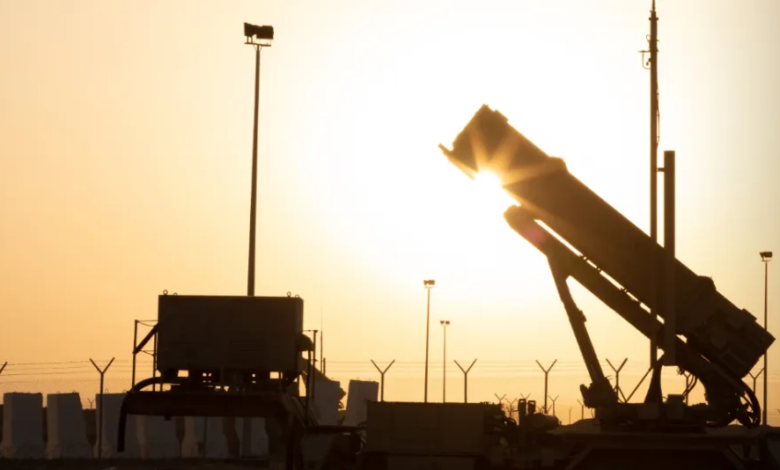
On the other side of the regional landscape, Saudi Arabia continues to counter security threats targeting its territory and civilian infrastructure. The Arab Coalition to Support Legitimacy announced the interception and destruction of 29 explosive-laden drones launched by the Houthi militias. These attacks come within the context of an ongoing escalation aimed at targeting the Kingdom's infrastructure and civilian targets. Saudi air defense systems have demonstrated high efficiency in neutralizing these threats, preventing loss of life and property, and reaffirming the Kingdom's commitment to protecting its citizens and residents in accordance with international humanitarian law.
Regional and international repercussions and their impact on energy markets
These simultaneous events carry far-reaching implications. Regionally, the drone attacks underscore the need to strengthen security and defense cooperation among the Gulf Cooperation Council (GCC) states to counter cross-border threats. Internationally, any attack on the security of oil installations in Kuwait or Saudi Arabia raises immediate concerns in global energy markets. The Arabian Gulf region is responsible for securing a significant portion of the world's oil supply, and any security tensions or major industrial incidents could lead to rapid fluctuations in crude oil prices. Therefore, Gulf security is of paramount importance to the international community, which consistently calls for de-escalation and the guarantee of freedom of navigation and the safety of energy infrastructure.