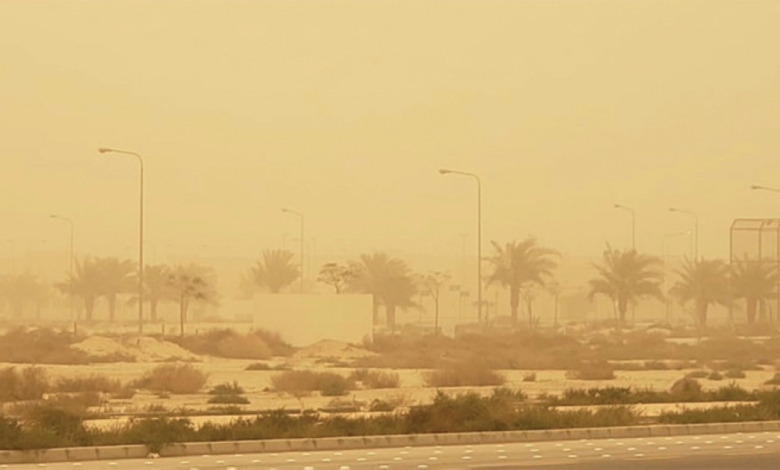

The National Center for Meteorology issued an important alert today, Sunday, regarding the weather conditions in the Madinah region, warning of significant activity in surface winds that may affect traffic and horizontal visibility in a number of governorates in the region.
Weather details and affected cities
The center explained in its daily report that the weather condition consists of active winds with speeds ranging from 40 to 49 kilometers per hour. The report indicated that the impact of these winds is particularly felt in the governorates of Al-Hanakiya and Al-Mahd, as well as the surrounding areas. This weather condition began at 9:00 AM on Sunday and is expected to continue until 6:00 PM that same day.
The effect of surface winds and reduced visibility
Active winds in open and desert areas are a major factor in stirring up dust and sand, directly leading to a decrease in horizontal visibility. These warnings are particularly important for those traveling on highways connecting Medina to the eastern and southern provinces of the region, as driving in such conditions requires a high degree of attention and concentration.
Safety and prevention guidelines
In light of these conditions, the relevant authorities and traffic police are urging drivers to exercise caution, adhere to speed limits, and maintain a safe distance between vehicles to avoid accidents caused by sudden stops or temporary loss of visibility due to dust storms. Those with respiratory conditions and asthma are also advised to avoid direct exposure to the dusty air during the warning period.
The role of the National Center for Meteorology and the early warning system
This alert is part of the National Center of Meteorology's ongoing efforts to monitor and track weather phenomena around the clock through its early warning system, with the aim of protecting lives and property. The Center consistently emphasizes the importance of following its official reports through its channels and electronic applications to obtain accurate and up-to-date information, and to avoid being misled by rumors or unofficial information regarding weather conditions.