Kuwait: 212 missiles and 394 drones intercepted – details of defense capabilities

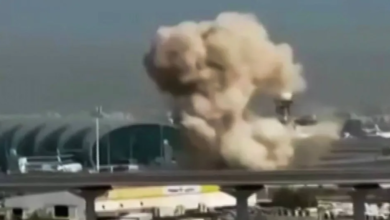
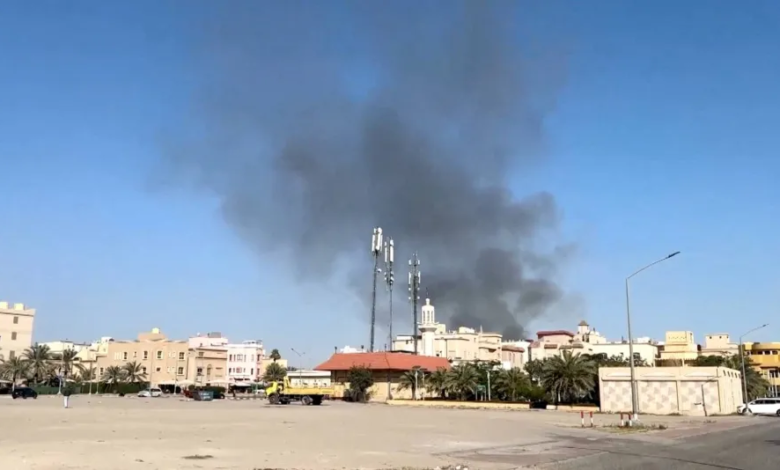
In a statement reflecting the high readiness and constant vigilance of its armed forces, the State of Kuwait revealed detailed statistics concerning its defense efforts against aerial threats. The Kuwaiti Army announced that it had successfully intercepted 212 ballistic missiles and 394 drones since the beginning of the attacks and tensions witnessed in the region, highlighting the pivotal role played by air defense systems in protecting national and regional airspace.
High efficiency in addressing regional challenges
These figures underscore the magnitude of the security challenges the region has faced in recent times and highlight the high combat efficiency of Kuwait's air defense units. Dealing with such a large number of diverse aerial threats, whether high-speed ballistic missiles or small, difficult-to-detect, explosive-laden drones, requires highly sophisticated detection, tracking, and interception systems, as well as highly trained personnel capable of handling complex military scenarios in fractions of a second.
Regional context and the evolution of air threats
These statistics cannot be viewed in isolation from the overall security landscape in the Middle East and the Arabian Gulf. Recent years have witnessed a qualitative shift in the methods of military threats, with drones and ballistic missiles becoming key tools in modern conflicts. This shift has prompted the Gulf Cooperation Council (GCC) states, particularly Kuwait, to bolster their defense arsenals and modernize their military strategies to ensure their national security. Kuwait is considered a strategic partner in maintaining regional security and continuously works to develop its defense capabilities in cooperation with international allies to guarantee maritime security and energy security.
The importance of modern air defense systems
Kuwait's success in dealing with these threats reflects the importance of continued investment in air defense technology. Kuwait relies on an integrated network of radars and interceptor missile systems (such as the Patriot system and others) that form a robust shield against any attempts to penetrate its airspace. This announcement sends a reassuring message to the Kuwaiti public and the international community that the Kuwaiti armed forces possess the necessary capabilities and readiness to deter any aggression and protect national assets, especially given Kuwait's vital geographical location in the northern Arabian Gulf.
In conclusion, these figures remain a testament to a critical phase in the region’s history, and confirm that security and stability require tireless work and unwavering vigilance on the part of the nation’s protectors.