
أعربت دولة الكويت عن استنكارها وإدانتها الشديدة لما وصفته بـ”الاعتداءات والانتهاكات” الإيرانية لسيادتها، في تصعيد جديد للتوترات المتعلقة بالنزاعات الحدودية البحرية بين البلدين. وأصدرت وزارة الخارجية الكويتية بياناً رسمياً أكدت فيه على رفض الكويت القاطع لأي إجراءات أحادية الجانب من قبل طهران، مشددة على حقوقها السيادية الكاملة في ثرواتها الطبيعية، وهو الموقف الذي لقي دعماً وتأييداً فورياً من دول مجلس التعاون الخليجي.
خلفية تاريخية وسياق النزاع
تعود جذور التوتر الحالي إلى نزاع طويل الأمد حول حقل الدرة للغاز (المعروف في إيران باسم “آرش”). يقع هذا الحقل في المنطقة البحرية المحايدة المقسومة بين الكويت والمملكة العربية السعودية، وتطالب إيران بجزء منه. على مدى عقود، فشلت المفاوضات الثلاثية في التوصل إلى اتفاق لترسيم الحدود البحرية في هذه المنطقة الغنية بالغاز. وتعتبر الكويت والسعودية أن حقل الدرة ثروة طبيعية مشتركة بينهما فقط، وقد اتفقتا في وقت سابق على تطويره بشكل مشترك، وهو ما ترفضه إيران التي تسعى لفرض أمر واقع عبر تصريحات ومخططات للتنقيب بشكل منفرد.
تنديد خليجي موحد
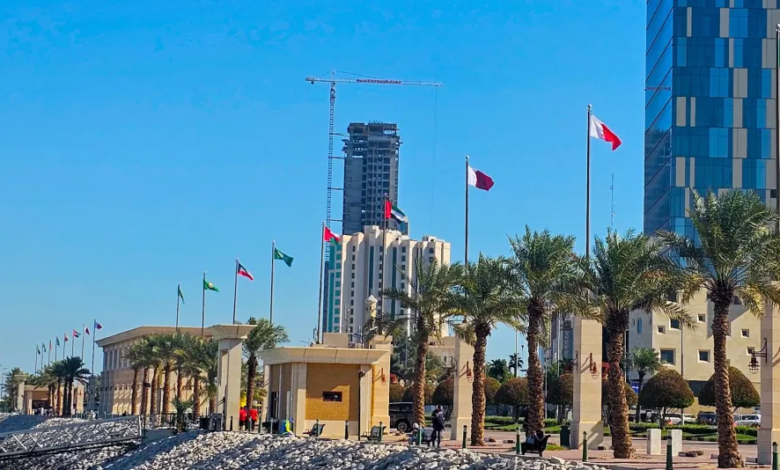
فور صدور البيان الكويتي، توالت ردود الفعل الخليجية الداعمة. وأصدرت الأمانة العامة لمجلس التعاون لدول الخليج العربية بياناً أكدت فيه على تضامنها الكامل مع الكويت في كافة الإجراءات التي تتخذها للدفاع عن سيادتها وحقوقها. كما صدرت بيانات مماثلة من وزارات خارجية المملكة العربية السعودية، والإمارات العربية المتحدة، وقطر، والبحرين، وسلطنة عمان، والتي شددت جميعها على أن أمن دول المجلس كل لا يتجزأ، وأن أي مساس بسيادة أي دولة عضو هو مساس بأمن واستقرار المنطقة بأكملها.
الأهمية والتأثيرات المتوقعة
تكتسب هذه التطورات أهمية بالغة نظراً لتأثيرها المحتمل على عدة مستويات. محلياً، يعزز الموقف الحكومي الكويتي الجبهة الداخلية ويوحدها خلف قيادتها في الدفاع عن المصالح الوطنية. إقليمياً، يختبر هذا التصعيد متانة التقارب الأخير بين دول الخليج وإيران، خاصة بعد استئناف العلاقات الدبلوماسية بين السعودية وإيران. كما أنه يسلط الضوء على أن القضايا الخلافية الجوهرية، مثل ترسيم الحدود والثروات المشتركة، لا تزال تشكل عقبة أمام بناء ثقة حقيقية ومستدامة. دولياً، يثير هذا النزاع قلقاً في أسواق الطاقة العالمية، حيث أن أي توتر في منطقة الخليج، التي تعد شرياناً حيوياً لإمدادات النفط والغاز، يمكن أن يؤدي إلى تقلبات في الأسعار ويهدد استقرار الإمدادات.
وفي الختام، تجدد الكويت دعوتها لإيران للالتزام بمبادئ القانون الدولي وحسن الجوار، والعودة إلى طاولة المفاوضات لحل قضية ترسيم الحدود البحرية، مؤكدةً في الوقت ذاته على احتفاظها بكامل حقوقها في اتخاذ ما تراه مناسباً لحماية مصالحها وسيادتها الوطنية.