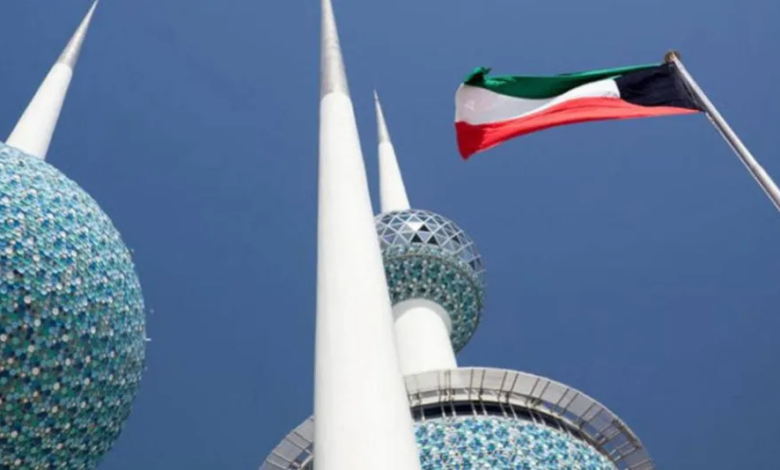

في تطور يهدد بتصعيد التوترات في منطقة الخليج، أعلنت دولة الكويت رسمياً أنها تحمّل إيران المسؤولية الكاملة عن سلسلة من الهجمات الأخيرة التي استهدفت المنطقة باستخدام صواريخ باليستية وطائرات مسيرة. وقد أثار هذا الموقف الكويتي الحازم ردود فعل خليجية موحدة، حيث سارعت دول مجلس التعاون الخليجي إلى إدانة الهجمات والتعبير عن تضامنها الكامل مع الكويت، مؤكدةً على أن أمن دول المجلس كل لا يتجزأ.
خلفيات التوتر: لماذا الكويت تحمّل إيران المسؤولية؟
يأتي هذا الاتهام الكويتي في سياق تاريخ طويل من التوترات الجيوسياسية بين إيران وجيرانها في الخليج العربي. ولطالما اتُهمت طهران بزعزعة استقرار المنطقة عبر دعمها لوكلاء مسلحين في دول مثل اليمن والعراق ولبنان. وتستند الاتهامات الحالية إلى تقييمات استخباراتية ومعلومات فنية تشير إلى أن مصدر الهجمات وأنواع الأسلحة المستخدمة ترتبط بشكل مباشر بإيران أو بالجماعات المدعومة منها. ويرى المراقبون أن هذه الهجمات لا تستهدف الكويت وحدها، بل تهدف إلى إرسال رسالة قوة إلى المجتمع الدولي واختبار مدى تماسك الجبهة الخليجية في مواجهة التحديات الأمنية المشتركة.
تداعيات إقليمية وأبعاد دولية
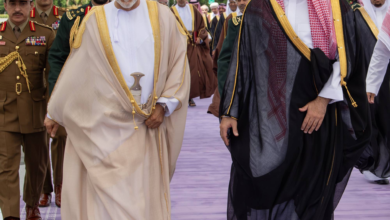
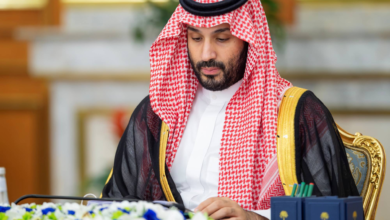
لا تقتصر أهمية هذا الحدث على المستوى المحلي أو الإقليمي فحسب، بل تمتد لتشمل أبعاداً دولية واسعة. فمنطقة الخليج العربي تعد شرياناً حيوياً لإمدادات الطاقة العالمية، وأي تصعيد عسكري فيها من شأنه أن يؤثر بشكل مباشر على أسعار النفط واستقرار الأسواق العالمية. وقد بدأت بالفعل دعوات دولية لضبط النفس وتجنب الانزلاق نحو مواجهة شاملة. ومن المتوقع أن تثير هذه التطورات نقاشات مكثفة في مجلس الأمن الدولي، حيث ستسعى الكويت وحلفاؤها إلى حشد دعم دولي لإدانة هذه الأعمال العدائية وفرض إجراءات رادعة. إن الموقف الخليجي الموحد، الذي تجلى في بيانات الإدانة الصادرة عن المملكة العربية السعودية والإمارات العربية المتحدة وقطر والبحرين وعمان، يعزز من ثقل الموقف الكويتي ويضفي عليه بعداً استراتيجياً هاماً، مما يضع إيران أمام ضغوط دبلوماسية واقتصادية متزايدة.
وفي الختام، يمثل الموقف الكويتي نقطة تحول قد تعيد تشكيل الديناميكيات الأمنية في المنطقة. وبينما تترقب العواصم العالمية الخطوات التالية، يبقى السؤال الأهم هو ما إذا كانت الجهود الدبلوماسية ستنجح في نزع فتيل الأزمة، أم أن المنطقة مقبلة على جولة جديدة من التصعيد الذي قد تكون عواقبه وخيمة على الجميع.