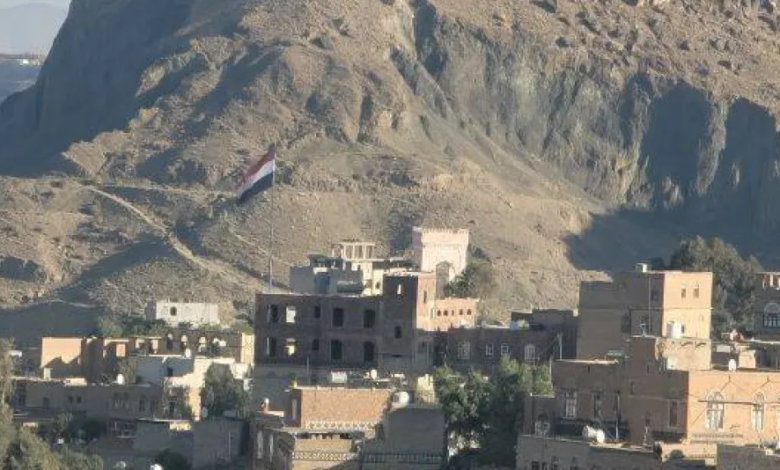
Land grabbing in Houthi-controlled areas: Public anger and a worsening real estate crisis

Areas under Houthi control in Yemen are witnessing unprecedented popular unrest and resentment due to the escalating rate of land grabbing and the seizure of public and private property. These practices have transformed from isolated incidents into a systematic phenomenon overseen by influential leaders, sparking tribal and community protests in several governorates, most notably Sana'a, Ibb, and Hodeidah. Residents view these actions as a threat to their livelihoods and their historical property rights.
Context of the crisis and historical background
The issue of property seizures is not a recent phenomenon; its roots extend back to the early years of the group's control over the capital, Sana'a, in 2014. Since then, land has emerged as one of the group's most important financial resources, used to fund its military operations and enrich its leaders. The group has developed various mechanisms to legitimize these operations, most notably the so-called "judicial custodian," a legal tool employed to confiscate the property of political opponents. Furthermore, the group has expanded its use of the terms "endowment lands" and "state lands" as pretexts to seize vast tracts of land owned by citizens with legal deeds and documents dating back decades.
The mechanisms used and demographic changes
The confiscations rely on military and security campaigns to impose a fait accompli, involving the bulldozing of agricultural lands and the demolition of walls surrounding citizens' properties. Local and international human rights reports indicate that these campaigns are not only aimed at financial gain but also seek to effect demographic change in sensitive areas by settling group loyalists in strategic locations around major cities, thus creating new population enclaves that owe absolute allegiance to the ruling authority in Sana'a.
Economic and social impacts
Economically, these practices have led to a slump in the real estate sector, which serves as a safe haven for Yemenis' savings amidst the currency collapse. They have also caused a dramatic rise in the prices of remaining land, making homeownership an unattainable dream for the majority of citizens. Socially, this crisis has deeply affected Yemen's tribal fabric, triggering armed conflicts between tribes defending their lands and security forces, threatening to unravel social cohesion and escalate internal violence.
Reactions and international stance
Despite the tight security grip, voices of dissent have begun to rise, manifesting in protests and sit-ins staged by landowners and those affected. Observers believe that the continued land grabbing could be the spark that ignites a widespread uprising, especially given the deteriorating living conditions. Internationally, reports by the UN Panel of Experts have documented numerous cases of illegal property seizures, deeming them a flagrant violation of human rights and international laws that criminalize the confiscation of private property without due legal process, thus subjecting these practices to future legal accountability.