The death toll from a landslide in Congo has risen to 18, with dozens still missing

Local authorities in the Democratic Republic of Congo have announced a tragic rise in the death toll from the landslide that struck the east of the country, specifically in North Kivu province, where the number of confirmed deaths has reached 18 people, while rescue teams and residents are still searching for more than 30 people who are missing.
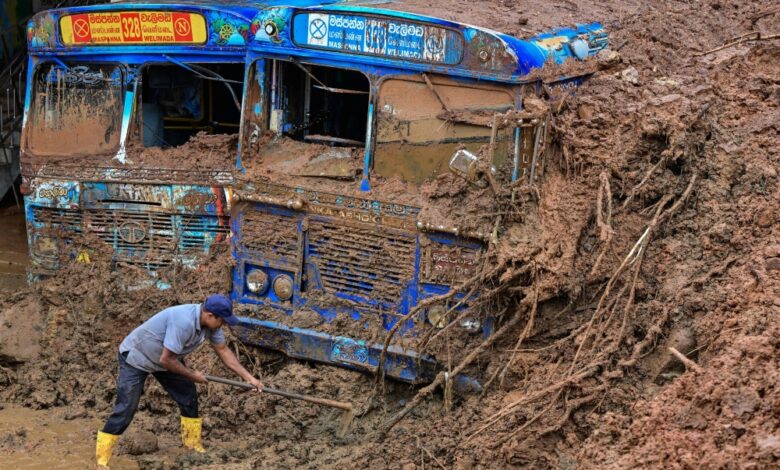
The tragic incident occurred in the village of Burutsi, where torrential rains that fell for hours caused the soil to erode, resulting in massive mudslides that buried homes and residents. Official sources indicated that the disaster not only resulted in loss of life but also severed the vital main road linking the commercial city of Goma to the regional capital, Alikal, further complicating access to the affected areas.
Geographical and climatic context of the disaster
The eastern region of the Congo, particularly North and South Kivu provinces, is characterized by rugged mountainous terrain and fragile volcanic soil. These areas face ongoing environmental challenges, as the combination of steep terrain and heavy tropical rainfall makes them perpetually vulnerable to landslides and flash floods. These risks are exacerbated by other factors such as deforestation and unplanned urban growth, which weakens the land's ability to absorb water and accelerates soil erosion.
Infrastructure and rescue challenges
Cutting off the road between Goma and Alikale is a devastating blow to local infrastructure, as the region relies heavily on this vital artery for transporting goods, food, and medicine. Rescue teams in such incidents often face immense logistical challenges, including a lack of heavy equipment needed to clear debris. This frequently forces local residents and Red Cross teams to resort to rudimentary tools or dig with their bare hands in a desperate attempt to rescue survivors.
Recurring natural disasters and climate change
This incident is not isolated; it is part of a broader pattern of natural disasters plaguing the Congo Basin. Experts point to global climate change as a contributing factor to the increased frequency and intensity of extreme weather events in Central Africa. The country has experienced similar incidents in recent years, resulting in hundreds of casualties, highlighting the urgent need to strengthen early warning systems and improve urban planning to protect vulnerable communities from the wrath of nature.