
مقدمة عن اتفاق تبادل الأسرى في اليمن
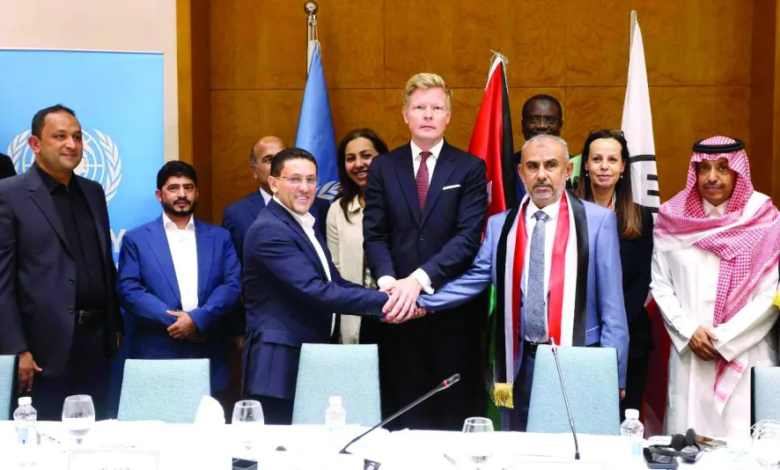
في خطوة إنسانية وسياسية بالغة الأهمية، تم الإعلان عن توقيع وتنفيذ أكبر اتفاق لتبادل الأسرى والمحتجزين في مسار الأزمة اليمنية. يمثل هذا الاتفاق نقطة تحول مضيئة في النزاع الذي طال أمده، حيث يأتي تتويجاً لجهود وساطة دولية وإقليمية مكثفة قادتها الأمم المتحدة واللجنة الدولية للصليب الأحمر. يعكس هذا الحدث البارز رغبة الأطراف المعنية في بناء جسور الثقة، ويمهد الطريق نحو استئناف العملية السياسية الشاملة التي تهدف إلى إنهاء الحرب وإحلال السلام المستدام في اليمن.
السياق العام والخلفية التاريخية للأزمة اليمنية
اندلعت الأزمة اليمنية أواخر عام 2014 وتصاعدت وتيرتها في عام 2015، مما أدى إلى واحدة من أسوأ الأزمات الإنسانية في العالم وفقاً لتقارير الأمم المتحدة. على مدار سنوات الصراع، تم احتجاز الآلاف من الأشخاص من مختلف الأطراف. وفي عام 2018، تم توقيع اتفاق ستوكهولم الذي تضمن بنداً رئيسياً ينص على تبادل جميع الأسرى والمعتقلين والمخفيين قسراً. ورغم التعثرات المتعددة التي واجهت تنفيذ هذا البند، إلا أن الجولات التفاوضية المتعاقبة في جنيف وسويسرا أثمرت أخيراً عن اختراقات حقيقية، أدت إلى إبرام صفقات تبادل واسعة النطاق شملت مئات الأسرى من القوات الحكومية وجماعة الحوثي، بالإضافة إلى قوات التحالف العربي.
دور الأمم المتحدة واللجنة الدولية للصليب الأحمر
لعبت الأمم المتحدة دوراً محورياً في تيسير المفاوضات بين الحكومة اليمنية المعترف بها دولياً وجماعة الحوثي. وقد وفرت الأمم المتحدة المظلة السياسية اللازمة لجمع الأطراف على طاولة الحوار. من جهتها، تولت اللجنة الدولية للصليب الأحمر المهمة اللوجستية والإنسانية المعقدة لتنفيذ الاتفاق. شمل ذلك إجراء مقابلات مع الأسرى للتأكد من هوياتهم ورغبتهم في الانتقال، بالإضافة إلى تسيير رحلات جوية متزامنة عبر مطارات متعددة مثل صنعاء، عدن، مأرب، والرياض، لضمان وصول المحتجزين بأمان إلى عائلاتهم.
أهمية الحدث وتأثيره المتوقع
التأثير المحلي والإنساني
على الصعيد المحلي، يحمل هذا الاتفاق أبعاداً إنسانية عميقة. فهو ينهي سنوات من المعاناة والقلق لآلاف العائلات اليمنية التي انتظرت عودة أبنائها بفارغ الصبر. كما يساهم في تخفيف الاحتقان المجتمعي وبناء الثقة المفقودة بين الأطراف المتصارعة، مما يعد خطوة أساسية لأي حوار سياسي مستقبلي. إن عودة الأسرى إلى ديارهم تمثل بارقة أمل لليمنيين بأن الحل السلمي لا يزال ممكناً.
التأثير الإقليمي والدولي
إقليمياً، يتزامن هذا التطور الإيجابي مع التحركات الدبلوماسية الواسعة في منطقة الشرق الأوسط، لا سيما التقارب السعودي الإيراني الذي انعكس إيجاباً على الملف اليمني. يساهم تبادل الأسرى في خفض التصعيد الإقليمي وتعزيز أمن واستقرار المنطقة. دولياً، يلقى هذا الاتفاق ترحيباً واسعاً من مجلس الأمن والمجتمع الدولي، حيث يُنظر إليه كدليل ملموس على نجاح الدبلوماسية وإمكانية البناء عليه للوصول إلى وقف إطلاق نار دائم وشامل ينهي الأزمة اليمنية بشكل نهائي.
في الختام، لا يقتصر نجاح أكبر اتفاق لتبادل الأسرى في اليمن على الجانب الإنساني فحسب، بل يمتد ليشكل حجر أساس متين يمكن أن تبنى عليه جهود السلام المستقبلية. إن استمرار دعم المجتمع الدولي وتغليب الأطراف اليمنية للمصلحة الوطنية العليا هما الضمان الوحيد لتحويل هذا الإنجاز إلى سلام دائم ومستقر.