Larijani: Iran did not close the Strait of Hormuz and rejects the continuation of the war

Ali Larijani, Secretary of Iran's Supreme National Security Council, confirmed in recent press statements carried by international media that Tehran has not taken any steps to close the Strait of Hormuz. He emphasized that the Islamic Republic does not welcome the continuation of war and is not seeking to escalate military tensions in the region. These statements were intended to allay growing concerns about the safety of international navigation in this vital waterway.
Larijani explained that his country's strategy is based on maintaining the security of the region, saying: "We do not want the region to become unsafe," noting that regional stability is in the interest of all parties, and that Tehran prefers diplomatic solutions to the language of continuous military escalation.
The Iranian Foreign Ministry's position and international concerns
In a related context, Iranian Foreign Minister Abbas Araqchi reinforced this stance in previous statements, affirming that his country does not intend to close the Strait of Hormuz at this time. However, Araqchi did not rule out resorting to other options if military pressure from Israel and the United States continues, leaving the door open to future possibilities contingent on developments in the conflict.
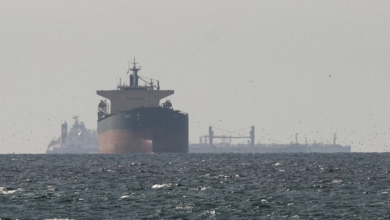
Araghchi told NBC News, explaining the reality of the situation on the ground: "We have no intention of closing the Strait at this stage, and we have not actually closed it. The problem is that some ships and oil tankers are avoiding crossing for fear of being targeted amid the current tensions, and not because of an official closure on our part.".
The strategic importance of the Strait of Hormuz
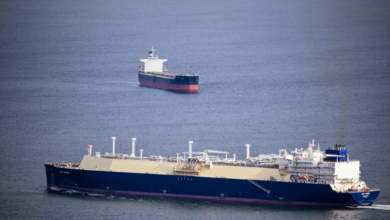
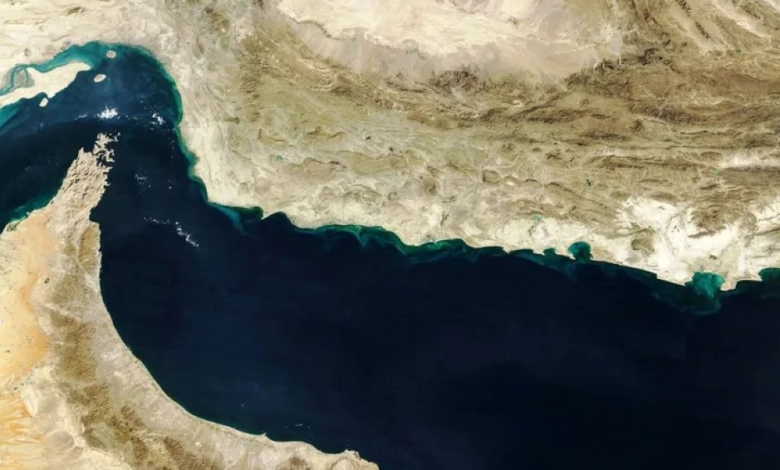
This event is of paramount importance given the sensitive geopolitical location of the Strait of Hormuz, the world's most vital oil chokepoint. Connecting the Arabian Gulf to the Gulf of Oman, the strait sees approximately one-fifth of the world's oil production pass through it daily, representing roughly 20 to 30 percent of total global oil consumption. Therefore, any threat to close it, or even the mere suggestion of such a move, would immediately trigger severe disruptions in global energy markets and a surge in oil prices.
American reactions and the impact of the crisis
For his part, US President Donald Trump responded to these developments with firm assurances that the Strait of Hormuz would remain open, indicating the United States' commitment to protecting freedom of international navigation. These exchanges come at a time of cautious anticipation in the region, as the international community fears that any miscalculation could lead to a large-scale military confrontation that would disrupt global trade routes and negatively impact the global economy.