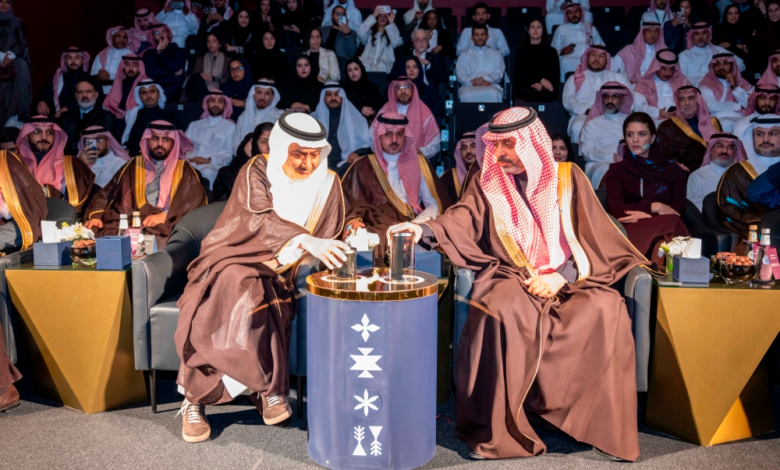

برعاية صاحب السمو الأمير بدر بن عبد الله بن فرحان آل سعود، وزير الثقافة، شهد مركز الدرعية لفنون المستقبل خطوة استراتيجية جديدة نحو إعادة تشكيل الوجه الحضاري للمدن السعودية، حيث دشنت وزارة الثقافة، بالشراكة مع وزارة البلديات والإسكان، دليل «الثقافة والفنون في المشهد الحضري». وتأتي هذه الخطوة لتضع حجر الأساس لمرحلة جديدة من التخطيط العمراني الذي يدمج الإبداع الفني بالنسيج العمراني، ليكون مرجعاً وطنياً موجهاً لكافة الجهات المعنية بتخطيط وتنفيذ التدخلات الثقافية في الأماكن العامة.
سياق الرؤية وأنسنة المدن
يأتي إطلاق هذا الدليل في سياق التحولات الكبرى التي تشهدها المملكة تحت مظلة رؤية السعودية 2030، وتحديداً ضمن مستهدفات برنامج «جودة الحياة». فلطالما كانت المدن السعودية تخضع لمعايير تخطيطية تركز على الوظيفة والخدمة، إلا أن التوجه الحديث يسعى إلى «أنسنة المدن»، وهو مفهوم عالمي تتبناه المملكة لتحويل المدن من مجرد كتل خرسانية إلى فضاءات حيوية تتفاعل مع الإنسان. ويعكس الدليل الجديد هذا التوجه من خلال توفير إطار عملي يضمن أن تكون الثقافة والفنون جزءاً أصيلاً من تكوين الفراغات العامة، وليست مجرد عناصر تجميلية هامشية.
تفاصيل الدليل والشراكة التكاملية
وخلال حفل التدشين الذي حضره معالي نائب وزير الثقافة الأستاذ حامد فايز، ومعالي نائب وزير البلديات والإسكان المهندس إيهاب غازي الحشاني، تم التأكيد على أن هذا الدليل هو ثمرة شراكة تكاملية عميقة بين الوزارتين. وأوضح معالي نائب وزير الثقافة في كلمة ألقاها نيابة عن سمو الوزير، أن الدليل يهدف إلى تفعيل الثقافة والفنون في الفراغات العامة، مشيراً إلى أن مدن المملكة تزخر بمساحات عامة تمتلك مقومات كبيرة يمكن تحويلها عبر التدخلات الثقافية إلى وجهات نابضة بالحياة والذاكرة والإبداع، مما يعزز علاقة الإنسان بالمكان ويرسخ الهوية الوطنية في المشهد البصري اليومي.
منهجية شاملة وأثر متوقع
لا يكتفي الدليل بكونه وثيقة نظرية، بل يقدم منهجية تطبيقية متكاملة تبدأ من فهم طبيعة المجتمع والمكان، مروراً باختيار نوع التدخل الثقافي المناسب، وصولاً إلى آليات التنفيذ وقياس الأثر. ومن المتوقع أن يُحدث هذا الدليل تغييراً ملموساً في الطريقة التي يتم بها تصميم الحدائق، والميادين، والشوارع، ومداخل المدن. فعلى الصعيد الاجتماعي، ستسهم هذه الفراغات المعززة بالفنون في زيادة التفاعل الاجتماعي وتعزيز روح الانتماء. أما اقتصادياً، فإن تحسين المشهد الحضري يعد عاملاً رئيساً في الجذب السياحي ورفع القيمة الاقتصادية للمناطق المطورة.
مشاريع ريادية وتطبيق فعلي
ولضمان نجاح هذا التوجه، لم يقتصر العمل على إصدار الدليل فحسب، بل تم إطلاق مشاريع تجريبية بالتعاون مع جهات استراتيجية كبرى مثل الهيئة الملكية لمدينة الرياض، ومكتبة الملك فهد الوطنية، وأمانة المدينة المنورة. تهدف هذه المشاريع إلى تخطيط وتنفيذ أعمال فنية وثقافية تكون بمثابة نماذج حية لقابلية الدليل للتطبيق. وسيتاح الدليل عبر منصة رقمية مخصصة على موقع وزارة الثقافة باللغتين العربية والإنجليزية، ليكون في متناول الأمانات، والبلديات، وهيئات التطوير، والمطورين العقاريين، والفنانين، مما يضمن توحيد الجهود للارتقاء بالمشهد الحضري في كافة مناطق المملكة.