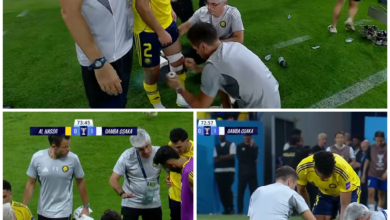
Rules for substituting players at the 2026 World Cup: FIFA's strict regulations

Strict regulations govern the 2026 World Cup squads
FIFA has announced a set of strict rules and specific exceptions regarding changes to the squad lists for the 2026 World Cup, which will be held for the first time in three countries: the United States, Canada, and Mexico. These rules are part of FIFA's efforts to ensure the highest levels of competitive fairness and integrity in the biggest World Cup ever.
FIFA has categorically confirmed that no player on the final squad list will be replaced by a player from the preliminary extended list except in cases of extreme necessity. These cases are limited to situations where a player suffers a serious injury or illness that completely prevents them from participating in the tournament. To apply this exception, the replacement request, along with all relevant medical documentation, must be submitted at least 24 hours before the start of the team's first match in the tournament.
Historical context and evolution of laws
These regulations reflect an evolution in the rules governing major tournaments. After decades of squads being limited to 23 players, recent tournaments such as Euro 2020 and the 2022 World Cup saw squad sizes increased to 26. This change was a response to the circumstances imposed by the COVID-19 pandemic and the congested international match calendar, giving coaches greater flexibility to manage fatigue and potential injuries. For the 2026 World Cup, FIFA is balancing this flexibility, facilitated by the larger squad size, with stricter regulations regarding substitutions after the official announcement, to prevent any exploitation that could compromise the level playing field.
Special exception for goalkeepers and details of the rosters
Due to the unique nature of the goalkeeper position, a special exception has been granted. Teams are permitted to replace any goalkeeper on their final squad at any time during the tournament if they suffer a serious injury or medical condition that prevents them from continuing to play. This procedure requires a detailed medical report, which is reviewed and approved by FIFA's Medical Committee to confirm the validity of the situation. According to the regulations, each team's final squad will consist of 23 to 26 players, including at least three goalkeepers. The provisional preliminary squad, used for internal organizational purposes and not officially published, ranges from 35 to 55 players and includes a minimum of four goalkeepers.
Maintaining fairness and its impact on competition
These strict rules aim to prevent any attempts to manipulate or strategically alter squad lists in a way that could give a team an unfair advantage. By restricting changes to documented medical emergencies only, FIFA ensures that all teams start the tournament on a level playing field and that coaches' final selections truly reflect the best players available to them at the time of registration. With 48 teams participating for the first time in the tournament's history, these measures become even more crucial for maintaining order and a balanced competition in an event of this scale and complexity, which is expected to be highly exciting and fiercely contested by the world's top players.