The Resources Association for Human Capacity Investment has been officially launched

The Resources Association for Human Capital Investment has officially launched its operations, following official approval from the relevant authorities. This marks a significant new addition to the non-profit sector in the Kingdom of Saudi Arabia. This step comes in response to the growing need to enhance community development and empower national talent, aligning perfectly with the goals of the Kingdom's Vision 2030 , which places great emphasis on developing human capital and increasing the non-profit sector's contribution to the GDP.
The context of establishment and keeping pace with Vision 2030
The establishment of the “Mawared” Association comes at a time when the non-profit sector in the Kingdom is undergoing a radical transformation, as the national vision aims to increase this sector’s contribution to the GDP from less than 1% to 5%, in addition to reaching one million volunteers. In this context, the association does not limit itself to the traditional role of charity work, but rather moves towards the concept of “social investment,” which focuses on sustainability and long-term impact, by supporting innovation and improving quality of life through specialized programs designed to empower individuals and transform them into productive and effective members of society.
Strategic goals for empowering competencies
In a statement, the Chairman of the Board of Directors of the Association, Thamer Al-Duraan , explained that the Association is distinguished by being a specialized entity that focuses on social investment, rehabilitation, training, and employment programs. The Association adopts an innovative approach called “localization through social investment,” which aims to:
- Providing initiatives with a profound and sustainable impact that serve different segments of society.
- Building a professional institutional model based on the highest standards of governance, efficiency and transparency.
- Bridging the gap between educational outputs and labor market needs through quality training.
Stages of establishment and organizational structure
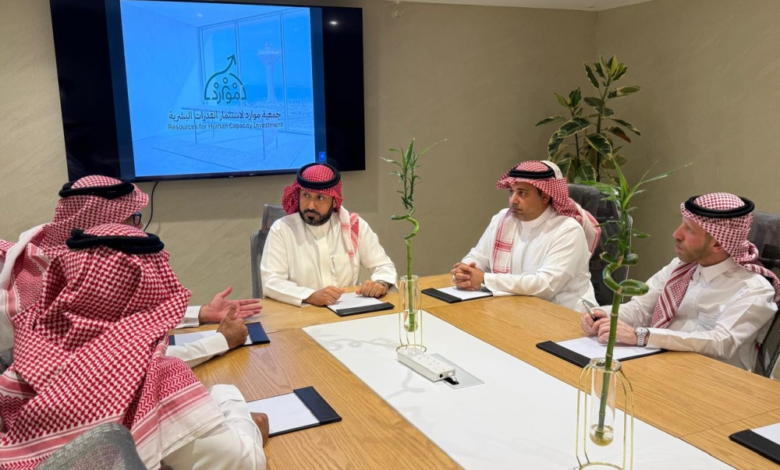
To mark this new phase, the association's board of directors held its first meeting, chaired by Al-Duraan, where the foundations for institutional work were laid. During the meeting, the establishment phases were reviewed, the association's organizational structure was approved, and standing committees were formed to oversee the implementation of various tasks. The board also discussed the operational plan for the first year and approved a roadmap of initiatives and programs to be implemented in the coming period, designed to meet actual needs in the labor market and the community.
Strengthening partnerships to achieve impact
Believing in the importance of integrated work, the council discussed ways to strengthen strategic partnerships with government entities, the private sector, and the non-profit sector. These partnerships aim to achieve the highest levels of social impact and expand the scope of services provided to beneficiaries, thus ensuring the sustainability of resources and the diversity of expertise.
The council concluded its meeting by emphasizing its strict commitment to governance standards and the activation of institutional work, announcing its readiness to launch a package of quality initiatives soon, which will consolidate the association’s position as a leading model in the field of investing in human capabilities.