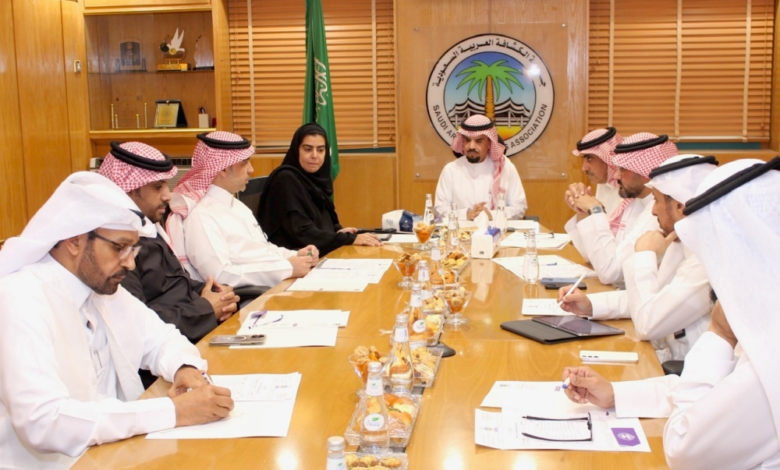

the Saudi Arabian Scouts Association held its fourth Executive Office meeting at its headquarters in Riyadh. Chaired by Dr. Abdulrahman bin Ibrahim Al-Mudaires, the meeting addressed several vital issues, most notably updating the association's bylaws and discussing the outlines of its future strategy for 2026, reflecting the association's commitment to keeping pace with rapid national transformations.
Historical context and pioneering role of Saudi scouts
These moves come at a time when the scouting movement in Saudi Arabia is witnessing remarkable development, building on a rich heritage spanning decades since its official establishment in 1961. Saudi scouts have long been a key partner in community development and have earned a distinguished international and regional reputation, particularly through their tremendous efforts in serving pilgrims during Hajj and Umrah seasons. This meeting reaffirms the continuation of this institutional approach, while working to develop tools and systems that meet the demands of the digital age and the needs of modern youth.
Strategy 2026 and alignment with the Kingdom's Vision 2030
The meeting discussed in detail the association's draft strategy and operational plan for 2026. This step is of paramount importance given its direct alignment with the goals of the Kingdom's Vision 2030 , which aims to reach one million volunteers annually. Updating scouting systems and launching a new strategy is not merely an administrative procedure, but a fundamental pillar for empowering a new generation of young leaders capable of initiative and national responsibility, thus enhancing the Kingdom's standing in global scouting forums.
Curriculum development and leadership training
Among the key topics discussed was the updating of leadership training guidelines and scouting curricula. This initiative aims to enhance the efficiency of scouting leaders and equip them with the necessary skills to manage teams and guide youth using modern educational methods. Participants reviewed the program's achievements over the past few months, emphasizing the need for educational outcomes to have a tangible and lasting impact on shaping the character of scouts.
Decisions to support the scouting system
The meeting concluded with a set of decisions and recommendations aimed at advancing scouting and reinforcing the values of the Scout Promise and Law. The Executive Office plays a pivotal role in this process, responsible for drafting regulations, approving the formation of units, coordinating between the various scouting sectors, and proposing names of pioneers and leaders for recognition, thus ensuring that operations are conducted according to the highest standards of quality and governance.