Lavrov accuses Kyiv of attempting to assassinate a Russian general to sabotage negotiations

Russian Foreign Minister Sergey Lavrov directly accused Ukrainian authorities of orchestrating the attempted assassination of a high-ranking Russian military officer in Moscow on Friday. Lavrov asserted that the attack was not merely an isolated security incident, but a deliberate political maneuver aimed at undermining diplomatic efforts and ongoing US-mediated talks to resolve the conflict in Ukraine.
Details of the incident and Russian accusations
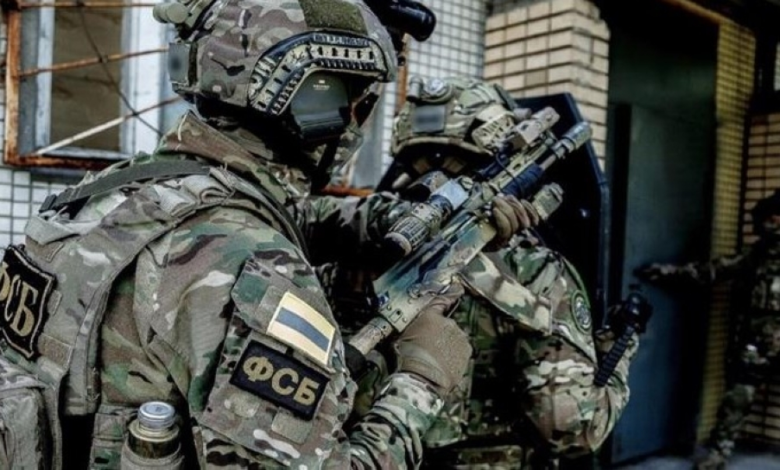
The Russian Investigative Committee, which handles major crimes, reported that an army general was shot inside a Moscow apartment building on Friday morning and was immediately hospitalized. Commenting on the incident, Lavrov described it as a "terrorist act," adding that this escalation confirms the Ukrainian President Volodymyr Zelensky's regime's pattern of provocations aimed primarily at derailing the delicate negotiations currently underway.
Context of security operations deep inside Russia
This incident comes amid heightened tensions and a rise in attacks targeting individuals and sites deep inside Russia, which Moscow describes as a "shadow war" waged by Ukrainian intelligence. Historically, since the outbreak of the war in February 2022, Russia has witnessed several assassinations and bombings targeting pro-Kremlin figures and military journalists. Kyiv often denies direct responsibility for these attacks or maintains strategic silence, while Moscow considers them evidence of Ukraine's adoption of "international terrorism" tactics.
Political and diplomatic repercussions
The timing of the assassination attempt carries significant political implications, especially given the ongoing US mediation efforts and talks aimed at ending the conflict. Observers believe that targeting high-ranking military figures in the heart of Moscow constitutes a major security breach and an escalation that could harden Russia's stance in any future negotiations. Such incidents further complicate the international landscape, as Moscow might use them as justification for intensifying its military strikes or refusing to make any diplomatic concessions, thus presenting international mediators with additional challenges in their attempts to bridge the gap between the warring parties.
Expected impact on the course of the war
This incident is expected to lead to heightened security measures around Russia's military and political leadership, and may provoke retaliatory actions on the ground. Domestically, this reinforces the official Russian narrative of the necessity to continue "special military operations" to protect national security. Regionally and internationally, the continued targeting of high-ranking figures threatens to broaden the conflict and diminish the prospects for a successful diplomatic solution in the near term, thus perpetuating the region's instability.