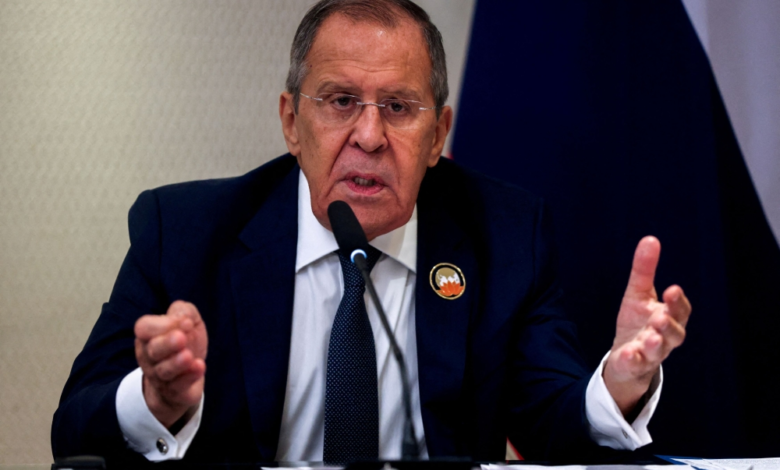

دعوة روسية صريحة للتهدئة الدبلوماسية
في خطوة دبلوماسية تعكس تطورات المشهد السياسي الدولي، دعا وزير الخارجية الروسي سيرغي لافروف الولايات المتحدة الأمريكية إلى ضرورة التخلي عن “لغة توجيه الإنذارات” في تعاملاتها، مؤكداً أن هذه الخطوة تعد أساسية لتسهيل العودة إلى طاولة المفاوضات. جاءت هذه التصريحات البارزة خلال مكالمة هاتفية جمعت لافروف مع نظيره الإيراني عباس عراقجي، حيث ناقش الطرفان مستجدات الأوضاع الإقليمية والدولية وسبل تعزيز الاستقرار.
موقف الخارجية الروسية من التوترات الحالية
وأوضحت وزارة الخارجية الروسية في بيان رسمي صدر عنها، أن الجانب الروسي أبدى أملاً كبيراً في نجاح الجهود الدبلوماسية التي تبذلها مجموعة من الدول بهدف نزع فتيل التوترات المتصاعدة حول إيران. وشدد البيان على أن هذا الهدف الاستراتيجي يمكن تحقيقه بشكل أسرع وأكثر فعالية إذا تخلت الإدارة الأمريكية عن سياسة التهديد وتوجيه الإنذارات، واستبدلتها بنهج يعتمد على الحوار والعودة إلى المفاوضات الجادة والمثمرة التي تخدم الأمن والسلم الدوليين.
حماية البنية التحتية المدنية ومحطة بوشهر
وفي سياق متصل، وجه الوزيران الروسي والإيراني دعوة مشتركة وحازمة لوقف كافة الهجمات غير المبررة وغير القانونية التي تستهدف منشآت البنية التحتية المدنية. وقد خصا بالذكر محطة بوشهر النووية في إيران، والتي تكتسب أهمية خاصة نظراً لوجود خبراء روس يعملون داخلها. إن استهداف مثل هذه المنشآت الحساسة لا يمثل انتهاكاً صارخاً للقوانين الدولية فحسب، بل ينذر بكارثة بيئية وإنسانية تتجاوز حدود المنطقة، مما يستوجب تحييدها تماماً عن أي صراعات عسكرية.
السياق التاريخي للأزمة النووية الإيرانية
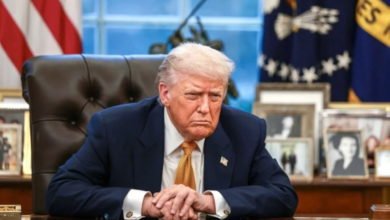
ولفهم السياق العام لهذه التصريحات، يجب العودة إلى الخلفية التاريخية للأزمة. فمنذ انسحاب الولايات المتحدة الأمريكية أحادي الجانب من الاتفاق النووي الإيراني (خطة العمل الشاملة المشتركة) في عام 2018 إبان إدارة الرئيس السابق دونالد ترامب، تبنت واشنطن سياسة “الضغوط القصوى”. هذه السياسة اعتمدت بشكل كبير على فرض عقوبات اقتصادية قاسية وتوجيه إنذارات مستمرة لطهران، مما أدى إلى تعقيد المشهد الدبلوماسي ودفع إيران إلى تقليص التزاماتها النووية تدريجياً. وروسيا، بصفتها أحد الأطراف الموقعة والضامنة للاتفاق الأصلي في عام 2015، طالما دعت إلى الحفاظ على الاتفاق وحذرت من تداعيات انهياره على منظومة منع الانتشار النووي.
التأثير المتوقع على الصعيدين الإقليمي والدولي
على الصعيد الإقليمي، تكتسب هذه التطورات أهمية بالغة؛ فالشرق الأوسط يمر بمرحلة حساسة تشهد توترات متقاطعة في عدة جبهات. إن تخفيف حدة الخطاب الأمريكي والعودة إلى المفاوضات مع إيران من شأنه أن ينعكس إيجاباً على أمن الخليج العربي واستقرار الملاحة في مضيق هرمز، ويقلل من احتمالات اندلاع مواجهة عسكرية مباشرة. أما على الصعيد الدولي، فإن الموقف الروسي الداعم لإيران يبرز التحالفات الجيوسياسية المتغيرة، حيث تمثل تصريحات لافروف رسالة واضحة بأن استقرار البرنامج النووي الإيراني تحت إشراف دولي يظل مصلحة عالمية عليا لمنع سباق تسلح نووي، وهو ما يتطلب دبلوماسية مرنة بعيدة عن لغة التهديد والوعيد.