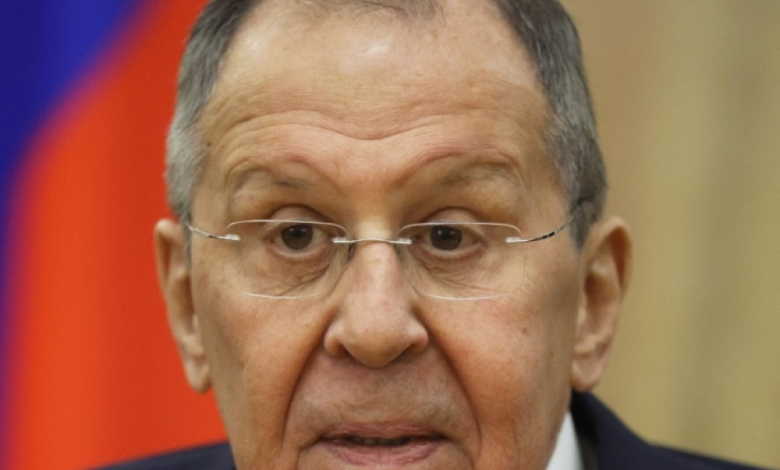

أطلق وزير الخارجية الروسي، سيرغي لافروف، تحذيراً شديد اللهجة للدول الغربية وحلف شمال الأطلسي (الناتو)، مؤكداً أن موسكو لن تقف مكتوفة الأيدي أمام أي محاولات لتحويل جزيرة غرينلاند إلى منصة عسكرية تهدد الأمن القومي الروسي. وجاءت تصريحات لافروف خلال كلمة ألقاها أمام مجلس الدوما الروسي، حيث شدد على أن بلاده مستعدة لاتخاذ "تدابير مضادة" شاملة، بما في ذلك الإجراءات العسكرية والتقنية، في حال رصدت أي تحركات لتعزيز الوجود العسكري الغربي في الجزيرة القطبية.
سياق التصعيد في القطب الشمالي
تأتي هذه التصريحات في وقت يشهد فيه العالم تنافساً جيوسياسياً متزايداً في منطقة القطب الشمالي. وتنظر روسيا إلى هذه المنطقة باعتبارها مجالاً حيوياً استراتيجياً لأمنها واقتصادها، لا سيما مع امتلاكها لأطول ساحل قطبي وسيطرتها على طريق البحر الشمالي. وفي المقابل، تسعى الولايات المتحدة وحلفاؤها في الناتو لتعزيز حضورهم في المنطقة لموازنة النفوذ الروسي والصيني المتنامي هناك. وتعتبر غرينلاند، التي تتبع التاج الدنماركي وتتمتع بحكم ذاتي، نقطة ارتكاز محورية في هذه المعادلة، خاصة مع وجود قاعدة "ثول" الجوية الأمريكية الاستراتيجية على أراضيها.
الأهمية الاستراتيجية لغرينلاند
لا تقتصر أهمية غرينلاند على موقعها الجغرافي الذي يتوسط المسافة بين أمريكا الشمالية وأوروبا وروسيا فحسب، بل تمتد لتشمل الموارد الطبيعية الهائلة التي بدأت تظهر مع ذوبان الجليد، بالإضافة إلى دورها في المراقبة والإنذار المبكر. ويخشى الكرملين من أن يتم استخدام الجزيرة لنشر منظومات صاروخية أو رادارات متطورة قد تحد من قدرات الردع النووي الروسي أو تهدد قواعدها في شبه جزيرة كولا.
التداعيات المحتملة والسيناريوهات المستقبلية
إن تلويح لافروف بـ "التدابير العسكرية والتقنية" يعيد للأذهان المصطلحات التي استخدمتها موسكو قبيل تصاعد التوترات الكبرى مع الغرب في ملفات أخرى. ويرى مراقبون أن عسكرة غرينلاند قد تؤدي إلى سباق تسلح جديد في المنطقة القطبية، التي ظلت لفترة طويلة توصف بأنها منطقة "توتر منخفض". وقد تشمل الردود الروسية تعزيز التواجد العسكري في جزرها الشمالية، ونشر صواريخ فرط صوتية، أو تكثيف الدوريات البحرية والجوية بالقرب من الحدود البحرية للدول الاسكندنافية، مما يرفع من مخاطر الاحتكاك المباشر بين القوى العظمى في أقصى الشمال.