
مقدمة: مفترق طرق أمام لبنان في المسار الأمني مع إسرائيل
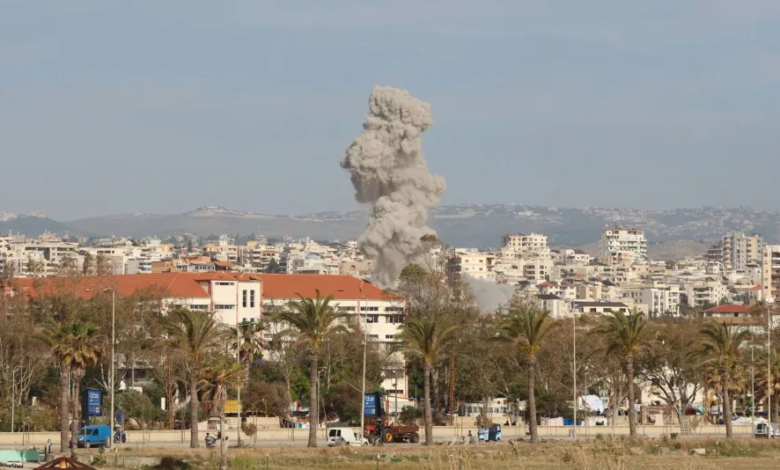
يقف لبنان اليوم أمام قرارات حاسمة تتعلق بمستقبل الاستقرار في جنوبه، حيث تتجه الأنظار نحو موقفه من المشاركة في المسار الأمني مع إسرائيل. يتساءل المراقبون عما إذا كانت الحكومة اللبنانية ستعلق حضورها في الاجتماعات الأمنية المخصصة لمراقبة وقف إطلاق النار، أم أنها ستواصل المشاركة بفعالية بهدف تثبيت الهدنة ومنع انزلاق البلاد نحو تصعيد عسكري جديد. تأتي هذه التساؤلات في ظل تبادل الاتهامات بخرق اتفاق وقف الأعمال العدائية، مما يضع الآلية الدولية لمراقبة الاتفاق أمام اختبار حقيقي.
السياق العام والخلفية التاريخية للقرار 1701
لفهم تعقيدات المشهد الحالي، يجب العودة إلى الخلفية التاريخية للصراع. منذ انتهاء حرب تموز في عام 2006، شكل قرار مجلس الأمن الدولي رقم 1701 الأساس القانوني والميداني للحفاظ على الهدوء على الخط الأزرق. نص القرار على انسحاب القوات الإسرائيلية من جنوب لبنان، ونشر الجيش اللبناني بالتنسيق مع قوات حفظ السلام الدولية (اليونيفيل). ومع اندلاع المواجهات في أكتوبر 2023، تعرض هذا الاستقرار لاهتزاز غير مسبوق، مما استدعى تدخلاً دولياً مكثفاً، قادته الولايات المتحدة وفرنسا، للتوصل إلى اتفاق جديد لوقف إطلاق النار يتضمن تشكيل لجنة خماسية لمراقبة التنفيذ وضمان عدم تكرار الخروقات.
أهمية الحدث: لماذا يعتبر المسار الأمني حاسماً؟
تكتسب مشاركة لبنان في هذا المسار الأمني أهمية بالغة على عدة أصعدة. محلياً، تعتبر المشاركة ضرورية لتمكين الجيش اللبناني من بسط سيادة الدولة على كامل أراضيها، وتأمين عودة مئات الآلاف من النازحين إلى قراهم وبلداتهم في الجنوب. إن التواجد اللبناني في هذه الاجتماعات يضمن توثيق الخروقات الإسرائيلية وتقديمها إلى المجتمع الدولي عبر القنوات الرسمية، مما يعزز موقف لبنان الدبلوماسي ويحفظ حقوقه السيادية.
التأثير المتوقع: محلياً، إقليمياً، ودولياً
على المستوى الإقليمي، يمثل تثبيت الهدنة في لبنان خطوة حيوية نحو خفض التصعيد في منطقة الشرق الأوسط ككل. إن نجاح المسار الأمني يعني فك الارتباط بين الجبهة اللبنانية والتوترات الإقليمية الأخرى، مما يقلل من احتمالات نشوب حرب إقليمية شاملة. أما دولياً، فإن نجاح هذه الآلية يعد انتصاراً للدبلوماسية الأمريكية والفرنسية، ويعيد الاعتبار لدور الأمم المتحدة وقوات اليونيفيل في حفظ الأمن والسلم الدوليين، ويؤكد على أهمية الحلول الدبلوماسية في النزاعات المعقدة.
التحديات والخيارات المستقبلية أمام الحكومة اللبنانية
رغم أهمية المشاركة، يواجه لبنان تحديات كبيرة تتمثل في استمرار الخروقات الميدانية والطلعات الجوية الإسرائيلية التي يعتبرها لبنان انتهاكاً صارخاً لسيادته وللقرار 1701. هذا الواقع يضع صانع القرار اللبناني أمام معضلة: فتعليق المشاركة قد يؤدي إلى انهيار الاتفاق وعودة العمليات العسكرية المدمرة، في حين أن الاستمرار يتطلب ضمانات دولية صارمة تلزم إسرائيل باحترام بنود الهدنة. في النهاية، يبقى الرهان على قدرة اللجنة الدولية المكلفة بالمراقبة على فرض آليات تنفيذية واضحة تعيد الاستقرار المستدام إلى الحدود اللبنانية الإسرائيلية وتمنع أي تصعيد مستقبلي.