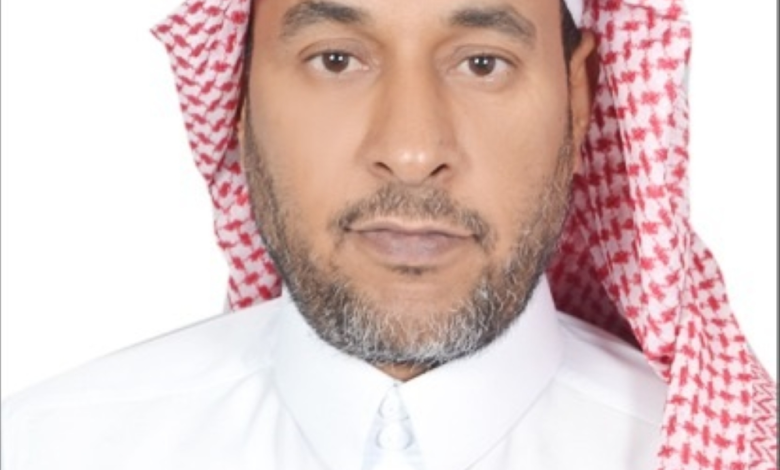

International Sustainable Development Consultant Dr. Maatouq Al-Sharif emphasized that Sustainable Development Goal 15, concerning "Life on Land," cannot be reduced to merely protecting nature as a luxury, but rather represents the core and unifying axis for the other UN goals. Al-Sharif cautioned against treating this goal as an isolated environmental issue, stressing its organic and direct link to food security, public health, economic stability, and the quality of life for human societies.
Global context and importance of ecosystems
These statements come at a time when the world is facing unprecedented environmental challenges, with the United Nations having adopted the Sustainable Development Goals in 2015 as a global roadmap. Land degradation and biodiversity loss are among the greatest threats to the global economy, as international reports indicate that the loss of arable land directly impacts food supply chains and exacerbates poverty rates, making the preservation of terrestrial ecosystems an imperative for survival, not a supplementary option.
Al-Sharif explained that protecting and conserving terrestrial ecosystems is the true cornerstone of any efforts aimed at eradicating poverty and hunger, as human well-being and health cannot be achieved in isolation from the health of the land on which we live. He pointed out that attention to the terrestrial environment directly intersects with education and awareness, and effectively contributes to the economic and social empowerment of local communities, in addition to its crucial role in addressing the challenges of climate change and building resilient and sustainable cities.
Kingdom Vision 2030 and Environmental Leadership
The international consultant linked these global goals to the ambitious objectives of Saudi Arabia’s Vision 2030, which has adopted a comprehensive development approach and placed environmental protection at the heart of its national programs. This vision is clearly demonstrated through the Kingdom’s launch of major initiatives, such as the Saudi Green Initiative, which aims to plant 10 billion trees and reduce carbon emissions. This reflects a firm Saudi commitment to leading the green era in the region and achieving a delicate balance between rapid economic growth and preserving natural resources for future generations.
Corporate social responsibility and the camping season
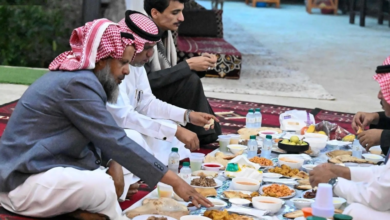
With the arrival of milder weather and the onset of winter, a season that sees a surge in camping and desert excursions by citizens and residents, Al-Sharif called for the activation of organized volunteer campaigns aimed at cleaning parks and rehabilitating damaged sites to ensure their sustainability. He emphasized the importance of planting native plants and strengthening awareness campaigns that instill responsible environmental behavior and promote a culture of conscious enjoyment of nature without harming its natural components.
He addressed a direct and compelling message to outdoor enthusiasts and hikers, emphasizing that environmental protection begins with simple individual practices that reflect a sense of "environmental citizenship." He urged hikers to strictly preserve vegetation, avoid lighting fires in undesignated areas, and refrain entirely from littering or disturbing wildlife at campsites. Al-Sharif concluded by stressing that protecting the desert is, in essence, protecting humanity and its economy, and requires a collaborative effort between volunteer work and community awareness to translate national visions into sustainable impact.