
انطلاق مبادرة المزارع الصغير في القطيف
في خطوة تهدف إلى تعزيز الوعي البيئي وبناء جيل واعٍ بأهمية الاستدامة، أطلق فرع وزارة البيئة والمياه والزراعة بالمنطقة الشرقية، ممثلاً بمكتب الوزارة في محافظة القطيف، فعالية “المزارع الصغير”. تأتي هذه المبادرة، التي استمرت لمدة يومين، بالشراكة الفاعلة مع قطاع العمل الأهلي، لتشكل نقطة تحول في كيفية تثقيف النشء حول القضايا البيئية والزراعية.
السياق التاريخي وارتباطه برؤية 2030
تكتسب هذه الفعالية أهمية مضاعفة عند النظر إلى السياق العام والخلفية التاريخية لمحافظة القطيف. فالقطيف تُعد تاريخياً واحدة من أهم وأقدم الواحات الزراعية في شبه الجزيرة العربية، حيث عُرفت منذ آلاف السنين بخصوبة تربتها ووفرة مياهها وعيونها، واشتهرت بزراعة النخيل ومختلف أنواع الفواكه والخضروات. وفي السياق الحديث، تتماشى هذه المبادرة بشكل وثيق مع مستهدفات “رؤية المملكة 2030″، وتحديداً “مبادرة السعودية الخضراء” التي تهدف إلى زيادة الغطاء النباتي، وتقليل الانبعاثات الكربونية، ومكافحة التصحر. إن إعادة ربط الأجيال الجديدة بهذا الإرث الزراعي العريق يمثل خطوة استراتيجية للحفاظ على الهوية البيئية للمنطقة.
منهجية التعلم بالممارسة
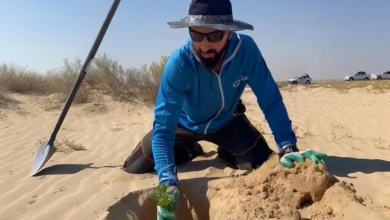
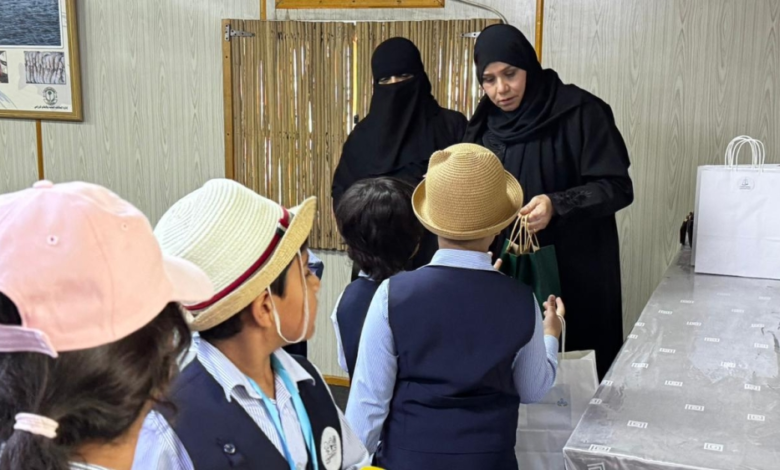
وقد شهد المشتل التابع لفرع الوزارة في القطيف تنظيم مجموعة من الأنشطة التفاعلية المصممة خصيصاً لتناسب الفئات العمرية الصغيرة. تركزت هذه الأنشطة على تعليم الأطفال طرق العناية السليمة بالتربة والمياه، وكيفية مراقبة مراحل نمو النباتات خطوة بخطوة. وأوضح مدير إدارة الزراعة، المهندس وليد الشويرد، أن البرنامج يعتمد بشكل أساسي على منهجية “التعلم بالممارسة”. هذه المنهجية التربوية الحديثة لا تقتصر على التلقين النظري، بل تهدف إلى تنمية مهارات البحث، والاستكشاف، والعمل الجماعي لدى الأطفال في سن مبكرة، مما يعزز ارتباطهم الوثيق بالطبيعة.
التأثير المحلي والدولي للزراعة المستدامة
وعلى صعيد التأثير المتوقع، أكد المهندس الشويرد أن الاستثمار التوعوي في الأجيال الصغيرة يُعد ركيزة أساسية لتحقيق الأمن الغذائي وبناء مستقبل زراعي مستدام. محلياً، تسهم الفعالية في تعريف النشء بأساسيات الزراعة المنزلية، وتنمية الحس المسؤول لديهم تجاه حماية الموارد الطبيعية والمحافظة عليها. وإقليمياً ودولياً، يعكس هذا التوجه التزام المملكة العربية السعودية بأهداف التنمية المستدامة للأمم المتحدة، خاصة فيما يتعلق بالقضاء على الجوع، والعمل المناخي، وحماية الحياة في البر. إن غرس هذه القيم في الأطفال اليوم يضمن وجود قادة بيئيين قادرين على مواجهة تحديات التغير المناخي في المستقبل.
دور الشراكات المجتمعية
ولم تكن هذه الجهود لتثمر لولا التكاتف المجتمعي؛ فقد لفت الشويرد إلى أن البرنامج، الذي حظي بمشاركة وتفاعل واسع من الأطفال وأسرهم، نُفذ بالتعاون المثمر مع جمعية العطاء النسائية الأهلية، وبدعم مباشر من جمعية صلة العطاء في محافظة القطيف. هذا التعاون يبرز الدور الحيوي الذي يلعبه القطاع غير الربحي في دعم المبادرات الحكومية، وتحقيق الأهداف التوعوية والتعليمية بنجاح، مما يخلق نموذجاً يُحتذى به في الشراكة المجتمعية من أجل بيئة أفضل.