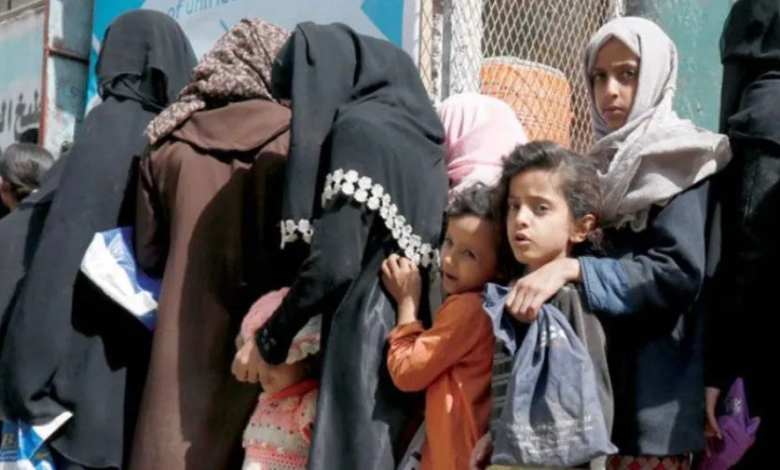
The collapse of living standards is robbing Yemenis in Houthi-controlled areas of the joy of Eid

Introduction: The absence of joy during holiday seasons
This year, Eid arrives for Yemenis amidst dire humanitarian and economic conditions. The ongoing collapse of living standards has robbed millions of families, particularly in Houthi-controlled areas, of the joy of the holiday. Citizens are suffering from successive economic crises that have made even the simplest Eid necessities, such as new clothes or sweets, a distant dream for many. Occasions that were once a source of joy have become reminders of the extent of their daily suffering.
General context and historical background of the crisis
The roots of this devastating economic decline can be traced back to late 2014, when armed conflict erupted following the Houthi takeover of the capital, Sana'a, and vital state institutions. Since then, the country has been plunged into a dark tunnel of economic collapse. The suffering has been exacerbated by the division of the Central Bank of Yemen's administration and the suspension of salaries for hundreds of thousands of government employees in Houthi-controlled areas since late 2016. This ongoing salary cuts, coupled with the collapse of the national currency and soaring inflation, have eroded the purchasing power of citizens, leaving them increasingly reliant on dwindling humanitarian aid.
Market stagnation and the suffering of Yemeni families
During holidays, which were once a time for social solidarity and celebration, families now find themselves completely unable to meet their children's needs. Markets in Sana'a and other Houthi-controlled governorates are experiencing a severe economic downturn; many citizens can only look at shop windows due to the exorbitant prices of both basic and luxury goods. Furthermore, the imposition of multiple levies and taxes by local authorities adds to the financial burden on merchants, costs that are ultimately passed on to the already struggling consumer.
Local, regional and international impacts
Domestically, this collapse in living standards has led to a widening poverty gap, now affecting more than 80% of the population, with alarming rates of malnutrition among children and women, and increased internal displacement as people seek employment or aid. Regionally and internationally, the ongoing economic and humanitarian crisis in Yemen poses a grave threat to security and stability. The United Nations and international organizations classify the situation in Yemen as one of the world's worst humanitarian crises. International warnings continue to emerge that a complete economic collapse could lead to a total societal breakdown, placing immense pressure on neighboring countries and the international community, which is being urged to provide substantial funding for emergency relief programs.
Relief challenges and the absence of a political horizon
International and local aid agencies face immense challenges in reaching the most vulnerable populations due to severe funding shortages and bureaucratic restrictions on humanitarian work. With no clear prospect of a comprehensive political solution to end the conflict, reunify economic institutions, and resume salary payments, the Yemeni citizen remains the biggest victim, paying the price for a protracted war that has robbed them of their most basic rights to a dignified life and the joy of holidays.