
مقدمة: العيد في ظل المعاناة المستمرة
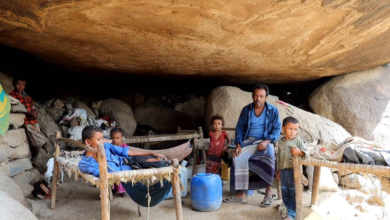
يحل العيد على اليمنيين هذا العام وسط ظروف استثنائية بالغة التعقيد، حيث تُطفئ أزمات المعيشة المتلاحقة فرحة العيد في مناطق سيطرة الحوثيين. لم يعد العيد يمثل تلك المناسبة السعيدة التي ينتظرها الأطفال والكبار بشغف، بل تحول إلى عبء مادي ونفسي ثقيل يرهق كاهل أرباب الأسر، الذين يجدون أنفسهم عاجزين عن تلبية أبسط احتياجات أسرهم من ملابس جديدة أو حلويات العيد المعتادة.
السياق العام والخلفية التاريخية للأزمة الاقتصادية
للوقوف على حقيقة الوضع المأساوي، يجب النظر إلى السياق العام والخلفية التاريخية للأزمة اليمنية. منذ اندلاع النزاع المسلح في أواخر عام 2014 وسيطرة جماعة الحوثي على العاصمة صنعاء ومؤسسات الدولة، دخلت البلاد في نفق مظلم من التدهور الاقتصادي. تفاقمت الأزمة بشكل غير مسبوق مع قرار نقل البنك المركزي اليمني إلى العاصمة المؤقتة عدن في عام 2016، مما أدى إلى انقطاع رواتب مئات الآلاف من موظفي القطاع العام في مناطق سيطرة الحوثيين. هذا الانقطاع المستمر للرواتب لأكثر من ثماني سنوات جعل شريحة واسعة من المجتمع تعيش تحت خط الفقر المدقع، وتعتمد بشكل أساسي على المساعدات الإنسانية أو الأعمال اليومية غير المستقرة.
غلاء الأسعار وتدهور القدرة الشرائية
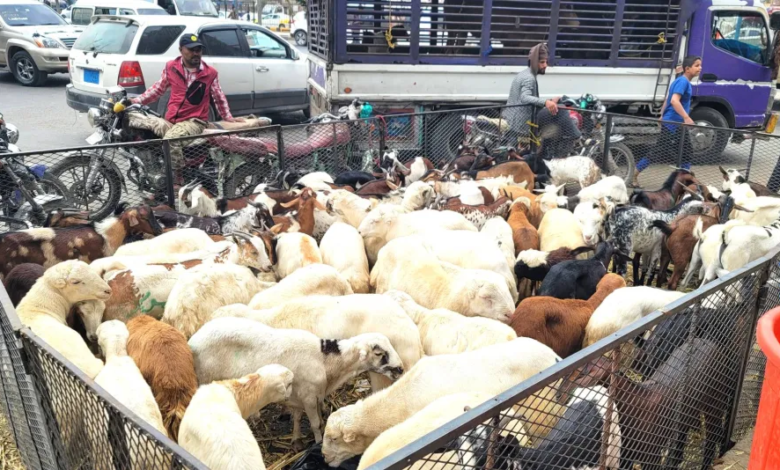
وفي ظل هذه الظروف القاسية، تشهد الأسواق المحلية في صنعاء والمحافظات المجاورة ركوداً تجارياً غير مسبوق خلال مواسم الأعياد. الارتفاع الجنوني في أسعار السلع الأساسية والملابس، والذي يعود جزئياً إلى الجبايات والضرائب المزدوجة المفروضة على التجار، أدى إلى تآكل القدرة الشرائية للمواطن البسيط. الكثير من العائلات تخلت مجبرة عن العادات والتقاليد المرتبطة بالعيد، واكتفت بتوفير الوجبات الأساسية للبقاء على قيد الحياة، في حين يكتفي الأطفال بارتداء ملابسهم القديمة بدلاً من كسوة العيد.
أهمية الحدث وتأثيره المتوقع (محلياً وإقليمياً ودولياً)
إن أهمية تسليط الضوء على هذا التدهور المعيشي وتأثيره المتوقع تتجاوز البعد المحلي لتشمل أبعاداً إقليمية ودولية بالغة الأهمية:
- التأثير المحلي: يؤدي هذا التدهور المعيشي إلى تفكك النسيج الاجتماعي، وزيادة معدلات سوء التغذية، وتفاقم الأزمات النفسية بين أرباب الأسر العاجزين عن إعالة أبنائهم، مما يهدد الاستقرار المجتمعي على المدى الطويل.
- التأثير الإقليمي والدولي: إن استمرار هذه المأساة يعزز من تصنيف الأمم المتحدة لليمن كواحدة من أسوأ الأزمات الإنسانية في العالم. هذا الوضع يضع المجتمع الدولي والمنظمات الإغاثية أمام مسؤولية كبرى لزيادة حجم المساعدات الإنسانية، ويؤكد على الضرورة الملحة للتوصل إلى تسوية سياسية شاملة تنهي الصراع وتضمن استئناف دفع الرواتب وتحييد الاقتصاد عن الصراع العسكري.
خاتمة
ختاماً، تبقى فرحة العيد في مناطق سيطرة الحوثيين مؤجلة حتى إشعار آخر، بانتظار انفراجة سياسية واقتصادية حقيقية تعيد لليمنيين حقوقهم المسلوبة، وتنهي سنوات من المعاناة والحرمان، ليعود العيد كما كان، فرصة للفرح والتكافل الاجتماعي بدلاً من كونه تذكيراً قاسياً بواقع أليم.