Ramadan vegetables in the Eastern Province: Abundant production and stable prices

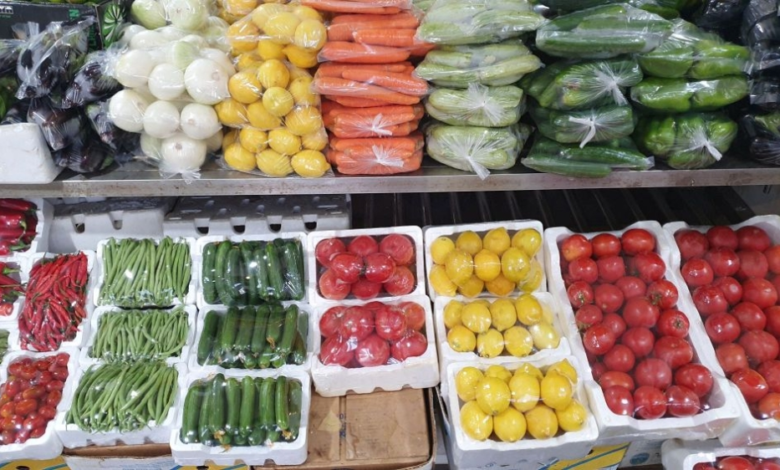
The Ministry of Environment, Water and Agriculture in the Eastern Province announced its full readiness to welcome the holy month of Ramadan by supplying ample quantities of fresh, locally grown vegetables to the markets. This readiness is facilitated by the latest agricultural technologies, which have contributed to increased production efficiency and improved crop quality. This step is part of a comprehensive strategy aimed at enhancing food security and ensuring price stability during peak seasons.
Enhancing food security and the Kingdom's vision
This abundance in production is not a coincidence, but rather the result of concerted efforts aligned with the goals of the Kingdom's Vision 2030 and its food security strategy, which focused on supporting farmers in adopting modern farming systems, such as hydroponics and climate-controlled greenhouses. These technologies have not only doubled production but also reduced water waste and enabled year-round production of summer and winter crops, thus decreasing reliance on imports and enhancing the region's self-sufficiency, which has a positive impact on the national economy.
Strict quality standards for safe food
In a related context, Engineer Saleh Al-Ghamdi, Deputy Director General of the Ministry's Eastern Province branch, affirmed that all agricultural products offered for sale undergo a rigorous series of tests and inspections. This process begins with the selection of genetically improved and disease-resistant seeds, continues through monitoring irrigation water and fertilizers, and extends to harvesting and packaging. These stringent procedures aim to ensure that food products free from contaminants and pesticide residues reach consumers, thus enhancing confidence in locally produced goods.
The health benefits of vegetables during Ramadan
Vegetables become even more important during Ramadan, with nutritionists recommending their inclusion in both Iftar (the meal to break the fast) and Suhoor (the pre-dawn meal). They are the primary source of fiber, which helps regulate digestion and prevents common stomach problems during Ramadan. They are also rich in water, especially cucumbers and lettuce, which helps hydrate the body and replenish fluids lost during the day of fasting. Furthermore, they contain essential vitamins and minerals such as potassium and magnesium, which support heart and muscle health and reduce fatigue.
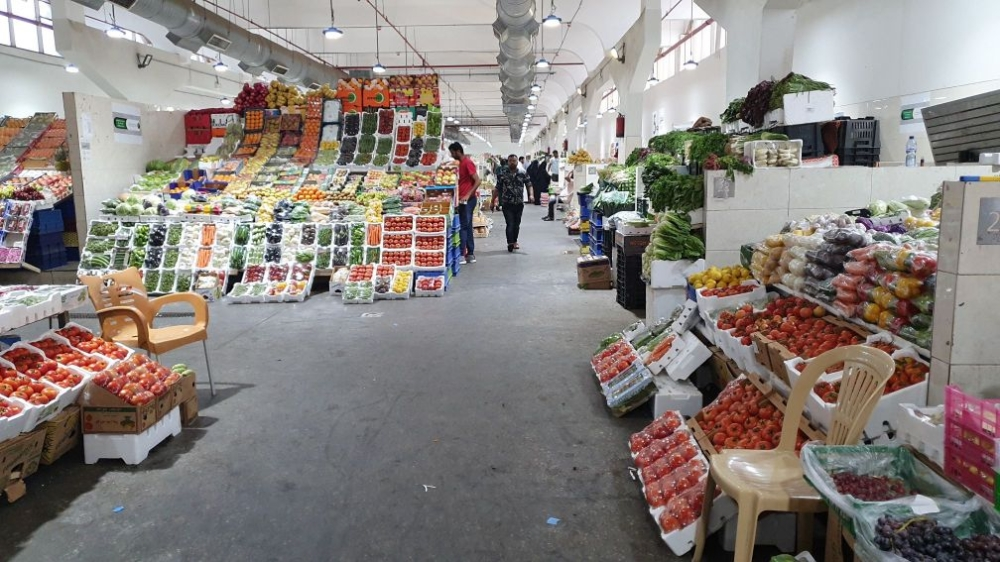
Crop diversity and price stability
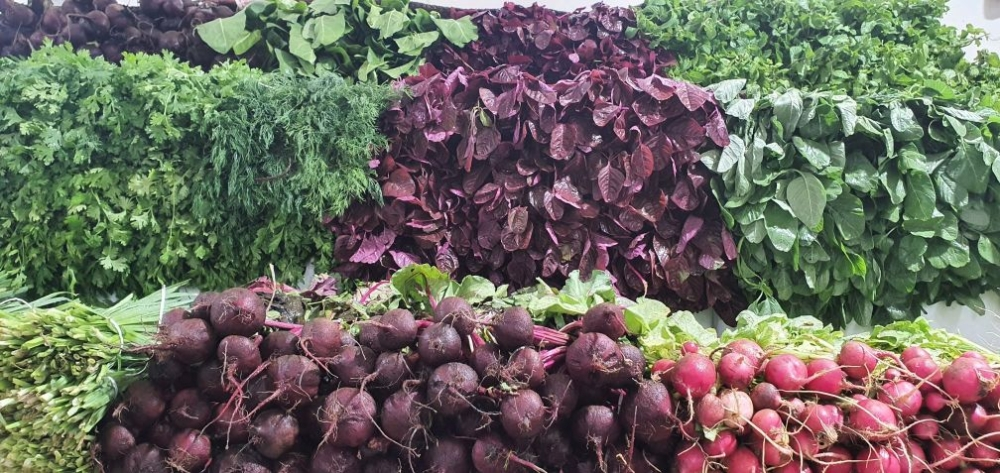
For his part, Engineer Waleed Al-Shuwaired, Director of the Agriculture Department, noted that the markets are witnessing a wide variety of produce, including tomatoes, potatoes, eggplant, zucchini, peppers of various colors, and leafy greens such as spinach and parsley. He explained that the Ministry has worked to facilitate supply chains from farms directly to retail outlets, which reduces operating costs and ensures that produce reaches consumers at a fair price and is profitable for farmers. This helps to curb inflation that may occur due to increased demand during Ramadan.
The ministry urged consumers to wash vegetables thoroughly and store them at appropriate temperatures to ensure they remain fresh for as long as possible, stressing that its monitoring tours will continue to ensure that markets comply with health and regulatory standards.