
خطوة استراتيجية نحو تعزيز الأمن الغذائي
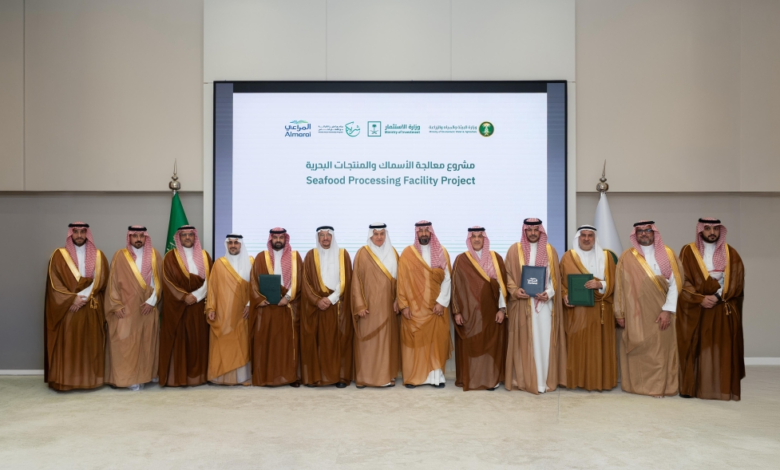
في خطوة استراتيجية هامة تعزز من مسيرة المملكة العربية السعودية نحو تحقيق الاكتفاء الذاتي، شهد معالي وزير البيئة والمياه والزراعة المهندس عبد الرحمن بن عبد المحسن الفضلي، ومعالي الأستاذ فهد بن عبد الجليل السيف، توقيع اتفاقيتين حيويتين تهدفان إلى توطين قطاع الأسماك والمنتجات البحرية. جرى توقيع هذه الاتفاقيات بين وزارة الاستثمار السعودية، ومركز برنامج تعزيز الشراكة مع القطاع الخاص “شريك”، وشركة المراعي الرائدة في مجال الصناعات الغذائية.
وقد أقيمت مراسم التوقيع بحضور نخبة من القيادات، يتقدمهم صاحب السمو الأمير نايف بن سلطان بن محمد بن سعود الكبير، رئيس مجلس إدارة شركة المراعي، ومعالي أمين عام لجنة التوطين وميزان المدفوعات الدكتور حمد آل الشيخ. كما حضر ممثلاً عن وزارة الاستثمار مساعد الوزير لتطوير الاستثمارات الدكتور عبد الله الدبيخي، وممثلاً عن برنامج “شريك” الأستاذ هشام بن مشاري المشاري، بحضور الرئيس التنفيذي المكلف الأستاذ فهد بن عبدالعزيز العبدالقادر، بينما مثّل شركة المراعي رئيسها التنفيذي الأستاذ فواز بن محمد الجاسر.
السياق التاريخي والتوجه نحو الاكتفاء الذاتي
تاريخياً، اعتمدت منطقة الخليج والمملكة بشكل كبير على استيراد المنتجات الغذائية والبحرية لتلبية الطلب المحلي المتزايد. ومع إطلاق رؤية السعودية 2030، برزت الحاجة الملحة لتنويع مصادر الدخل وتقليل الاعتماد على الواردات الخارجية. ومن هنا، جاءت الاستراتيجية الوطنية للزراعة والاستراتيجية الوطنية للأمن الغذائي لترسم خارطة طريق واضحة نحو استدامة الموارد. ويُعد دخول عملاق الغذاء “شركة المراعي” في قطاع المنتجات البحرية تحولاً نوعياً، حيث يوسع من محفظتها الاستثمارية التي تركزت طويلاً على الألبان والدواجن، لتدخل بقوة في مجال الاستزراع المائي ومعالجة الأسماك بأحدث التقنيات.
التأثير المحلي والإقليمي للمشروع
على الصعيد المحلي، يستهدف هذا المشروع الضخم تعزيز الأمن الغذائي من خلال زيادة الإنتاج المحلي من المنتجات البحرية، ورفع كفاءة سلاسل الإمداد، وتوسيع نطاق توافر المنتجات الطازجة وعالية الجودة في السوق السعودي. كما يساهم بشكل مباشر في تحقيق مستهدفات الاستراتيجية الوطنية للتوطين، والتي تسعى إلى إحلال الواردات بمنتجات محلية الصنع، والوصول إلى توطين 85% من الصناعات الغذائية بحلول عام 2030. هذا التوجه سيخلق آلاف الفرص الوظيفية للشباب السعودي في قطاعات التصنيع والتقنية الغذائية.
إقليمياً، يعزز هذا المشروع من مكانة المملكة كقوة صناعية وغذائية رائدة في الشرق الأوسط. من خلال تقليل الاعتماد على سلاسل التوريد الخارجية، تساهم السعودية في استقرار أسواق الغذاء الإقليمية، وتقدم نموذجاً يحتذى به لدول الجوار في كيفية تفعيل الشراكة بين القطاعين العام والخاص لتحقيق قفزات اقتصادية ملموسة.
الأبعاد الدولية والاستدامة البيئية
دولياً، يوجه هذا الاستثمار رسالة قوية للمستثمرين العالميين بأن قطاع الغذاء السعودي يمتلك بنية تحتية قوية وجاذبة للابتكار. كما يتماشى المشروع مع الأهداف العالمية للتنمية المستدامة، حيث أن توطين معالجة الأسماك يقلل من البصمة الكربونية الناتجة عن عمليات الشحن والنقل الدولي الطويلة. بالإضافة إلى ذلك، فإنه يدعم تبني أحدث التقنيات العالمية في مجال الاستزراع المائي ومعالجة الأغذية، مما يضمن استدامة الموارد البحرية للأجيال القادمة ويحمي البيئة البحرية من الصيد الجائر، محققاً بذلك توازناً مثالياً بين النمو الاقتصادي والحفاظ على البيئة.