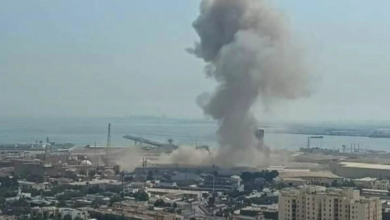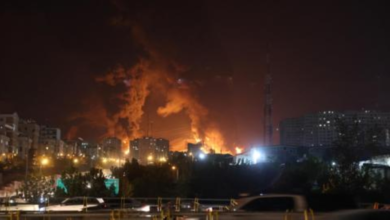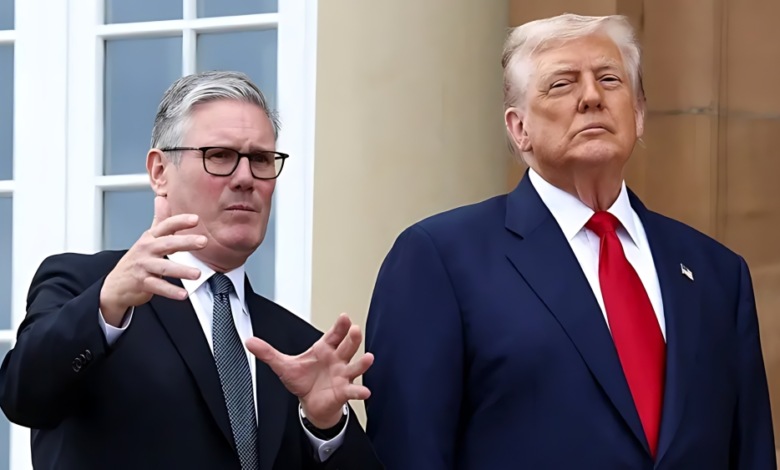
In a significant development reflecting escalating geopolitical tensions in the Middle East, British Prime Minister Keir Starmer announced the UK's formal agreement to allow the United States to use British military bases for what were described as "defensive" strikes. These potential operations aim to target and destroy Iranian missile sites and launch pads, marking a qualitative shift in the level of British involvement in existing security arrangements.
In a televised address to the British public and the international community, Starmer explained that while London had opened its bases to its American ally, it had not participated directly in the initial strikes and would not join the offensive operations at this time. However, he justified this logistical and strategic support by stating that Iran was pursuing what he termed a "scorched earth strategy," emphasizing his country's commitment to the principle of collective self-defense and to protecting allies and the people of the region from any missile threats.
Historical background: The Transatlantic Strategic Alliance
This decision cannot be understood in isolation from the historical context of the relationship between London and Washington, known as the "special relationship." British bases strategically located around the world have long been a cornerstone of US military operations, from the Cold War to the Gulf War and operations against extremist groups. This announcement reaffirms the continuation of this close military cooperation, as British bases provide a crucial geographical and logistical advantage for US forces to rapidly deploy in the Middle East.
Dimensions of the European position and its regional impacts
This announcement signals a more assertive European stance toward Tehran. It follows a rare joint statement from France, Germany, and the United Kingdom, in which these major European powers expressed their readiness to take "defensive" measures to protect their interests and those of their allies in the Arabian Gulf region. This alignment of positions between European powers and the United States sends a strong deterrent message: the West is prepared to go beyond traditional diplomatic channels if the security of navigation or the security of its allies is threatened.
Between military escalation and diplomatic solutions
Despite the distinctly military tone of Starmer's statements, he was careful to leave the door open for political solutions. He emphasized that the decision not to participate directly in the attack was deliberate, intended to allow for other avenues, stressing that a negotiated settlement remains the best way to ensure stability in the region and the world. This stance reflects a delicate balance that London is trying to maintain: projecting strength and military readiness to deter any recklessness, while keeping diplomatic channels as the primary option for defusing the crisis and preventing the region from sliding into a full-blown war that could have catastrophic consequences for the global economy and energy security.