Seven people killed in a mosque explosion in Nigeria: details of the deadly attack

Maiduguri, the capital of Borno State in northeastern Nigeria, witnessed a tragic incident today, as seven people were killed in a violent explosion inside a mosque, highlighting the significant security challenges facing the region.
Details of the terrorist attack
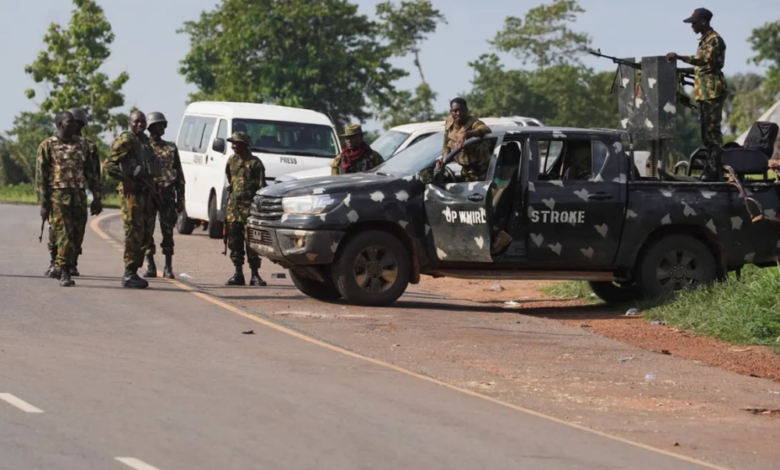
Local security sources reported that the explosion was caused by an improvised explosive device (IED) planted inside the mosque, resulting in casualties and damage to parts of the building. Local security commander Abubakar Kolo told the media that the attack was carried out with precision using an IED, adding that ambulances rushed to the scene to transport the victims and secure the area. No armed group has yet claimed direct responsibility for the attack, but suspicion often falls on militant groups active in the region in such incidents.
The security context and background of the conflict in Borno
Borno State, with its capital Maiduguri, is the epicenter of the conflict that has raged for over a decade in Nigeria. The region is the historical stronghold of Boko Haram and the Islamic State West Africa Province (ISWAP). Since 2009, the area has been plagued by an armed insurgency that has killed tens of thousands of civilians and soldiers, and created one of the world's worst humanitarian crises.
Despite the Nigerian government's intensive military efforts to regain control and neutralize the threat posed by armed groups, hit-and-run attacks targeting "soft targets" such as mosques, markets, and schools remain a persistent threat. Targeting places of worship is part of a tactic aimed at spreading terror and destabilizing society.
Humanitarian and regional repercussions
The impact of this conflict extends far beyond security, encompassing catastrophic humanitarian dimensions. Ongoing violence in northeastern Nigeria has displaced over two million people, most of whom now live in camps lacking even the most basic necessities. Furthermore, instability in Nigeria, Africa's most populous nation and a pivotal economy, casts a shadow over the stability of the Lake Chad Basin region and neighboring countries such as Cameroon, Niger, and Chad.
This new attack puts additional pressure on Nigerian authorities to strengthen security measures and protect civilians, at a time when the government is seeking to reassure the international community and investors about the stability of the situation in the country.