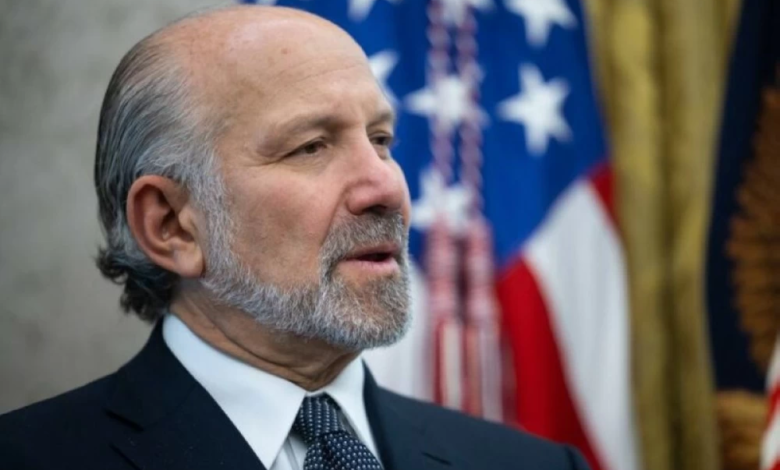

أكد وزير التجارة الأمريكي، هوارد لوتنيك، أن المستويات الحالية للدولار الأمريكي، التي تميل إلى الانخفاض النسبي، تضع الاقتصاد في مسار "أكثر طبيعية"، مما يساهم بشكل مباشر في تعزيز الصادرات الأمريكية ودعم معدلات النمو الاقتصادي، مشيراً إلى حقبة جديدة من السياسات التجارية التي تهدف إلى تصحيح الاختلالات السابقة.
وأوضح لوتنيك في تصريحاته الأخيرة أن قيمة الدولار ظلت لسنوات طويلة تُدفع قسراً إلى مستويات مرتفعة وغير واقعية، نتيجة ممارسات دول أخرى تلاعبت بأسعار صرف عملاتها لإبقاء الدولار قوياً، مما منح صادرات تلك الدول ميزة غير عادلة عند دخولها السوق الأمريكية. وأشار إلى أن هذا التوجه الجديد سيسمح للمنتجات الأمريكية بالمنافسة بقوة في الأسواق العالمية.
توقعات متفائلة للنمو الاقتصادي
وفي سياق استعراضه للمؤشرات المستقبلية، كشف لوتنيك عن توقعات اقتصادية طموحة، حيث رجح أن يتجاوز نمو الناتج المحلي الإجمالي للولايات المتحدة نسبة 5% خلال الربع الرابع من عام 2025. ولم يتوقف التفاؤل عند هذا الحد، بل توقع أن يتخطى النمو حاجز 6% في الربع الأول من عام 2026، مدفوعاً بزيادة الإنتاج الصناعي وحركة التصدير النشطة.
جدلية "الدولار القوي" بين السياسة والواقع
تأتي هذه التصريحات في وقت حساس تتداخل فيه الرؤى الاقتصادية داخل الإدارة الأمريكية. فقد أشار وزير الخزانة الأمريكي، سكوت بيسنت، إلى أن الرئيس دونالد ترمب لا يزال يعتمد مبدئياً سياسة "الدولار القوي"، ولكن بمفهوم مختلف يركز على جاذبية الأصول الدولارية للاستثمار.
وعند سؤال بيسنت عن التناقض الظاهري بين سياسة "الدولار القوي" وإشادة ترمب بانخفاض العملة مؤخراً ووصفه بـ"العظيم"، أوضح بيسنت أن جوهر السياسة يكمن في "تهيئة بيئة داعمة" للعملة، بحيث يكون السعر انعكاساً لقوة الاقتصاد الحقيقية وليس نتيجة لمضاربات أو تدخلات خارجية. وأكد أن الإدارة تتخذ خطوات لجعل الاستثمار في الولايات المتحدة أكثر جاذبية، مما يدعم العملة بطريقة عضوية وصحية.
خلفية تاريخية وتأثيرات عالمية
تاريخياً، لطالما كانت الولايات المتحدة تتبنى سياسة الدولار القوي منذ تسعينيات القرن الماضي كوسيلة لكبح التضخم وجذب رؤوس الأموال الأجنبية. ومع ذلك، فإن التحول نحو قبول دولار أضعف يعكس تغيراً استراتيجياً يهدف إلى دعم قطاع التصنيع المحلي وتقليص العجز التجاري، وهو أحد الركائز الأساسية لسياسات الرئيس ترمب الاقتصادية (America First).
من المتوقع أن يكون لهذا التوجه تأثيرات واسعة النطاق على الاقتصاد العالمي؛ فالدولار الأضعف يجعل البضائع الأمريكية أرخص للمشترين الأجانب، مما يضغط على الدول المصدرة الكبرى مثل الصين والاتحاد الأوروبي، التي قد تجد منتجاتها أقل تنافسية داخل السوق الأمريكية. هذا التحول قد يعيد تشكيل خريطة التجارة الدولية، حيث تسعى واشنطن لاستعادة حصتها في الأسواق العالمية عبر بوابة العملة.