Macron accepts the resignation of the Louvre's director after a robbery incident

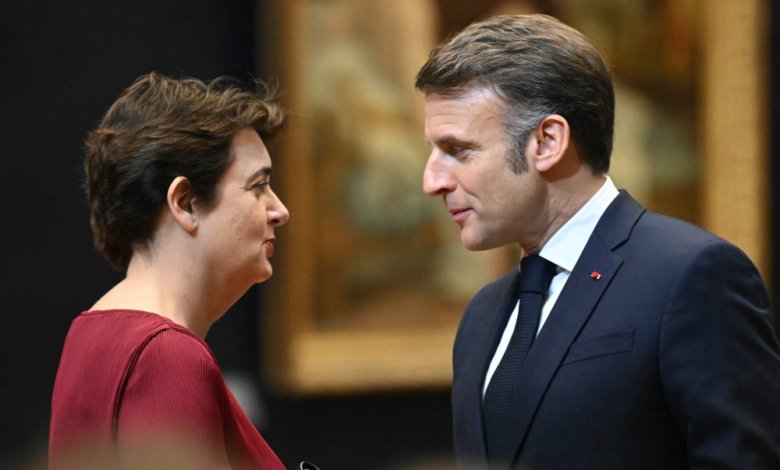
The Élysée Palace announced in an official statement issued on Tuesday that French President Emmanuel Macron had accepted the resignation of Laurence Descartes, president of the Louvre Museum, in a remarkable development that comes nearly four months after the museum was subjected to a major robbery that sparked widespread controversy in French cultural and security circles.
Details of the resignation and the French presidency's stance
The French presidency stated that de Cars submitted her resignation to President Macron, who accepted it, describing her decision as "a responsible step." According to the statement, Macron emphasized that the world's largest museum needs calm and stability at this critical juncture, as well as a "strong new impetus" to enable it to complete the major ongoing projects, which primarily aim to strengthen the museum's security system and develop its infrastructure to ensure that such incidents do not recur.
Context of labor unrest and strikes
This resignation is not solely a result of the security incident, but also coincides with a period of internal tension within the prestigious cultural institution. The Louvre Museum was partially closed last week due to a widespread strike by employees protesting their working conditions. These protests forced the administration to reopen the museum "partially," limiting visitors' experience to viewing essential masterpieces such as the Mona Lisa and the Venus de Milo, according to statements made to AFP by labor unions and museum management.
The historical and cultural significance of the Louvre Museum
This event is of exceptional importance given the global stature of the Louvre Museum. Located in the heart of Paris, it is the most visited historical landmark in the world, welcoming millions of tourists annually. The building dates back to the 12th century when it served as a fortress before becoming a royal palace, and then a national museum in 1793. The museum houses thousands of works of art spanning diverse historical periods, from ancient civilizations to Islamic art and the European Renaissance.
Expected impact locally and internationally
This administrative change is expected to have a significant impact on the French cultural scene, as the Louvre is considered a cornerstone of France's soft power and tourism sector. Observers note that appointing a new leader will require selecting someone capable of addressing the growing security challenges, as well as improving the internal work environment to quell employee discontent, thus ensuring the museum continues its cultural mission and welcomes art lovers from around the world without interruption.