
إدانة فرنسية ودعوة للحوار
في خطوة دبلوماسية تهدف إلى احتواء التوترات المتصاعدة في منطقة الخليج، أجرى الرئيس الفرنسي إيمانويل ماكرون اتصالاً هاتفياً مع نظيره الإيراني المنتخب حديثاً، مسعود بيزشكيان. وخلال الاتصال، أدان ماكرون بشدة الضربات “غير المبررة” التي استهدفت منشآت مدنية في دولة الإمارات العربية المتحدة وعددًا من السفن التجارية في مياه الخليج، مؤكداً على ضرورة وقف هذه الأعمال التي تزعزع استقرار المنطقة وتهدد أمن الملاحة الدولية.
ووفقاً لبيان صادر عن قصر الإليزيه، شدد ماكرون على أهمية المهمة متعددة الجنسيات التي أطلقتها فرنسا والمملكة المتحدة لتأمين حرية الملاحة في مضيق هرمز، داعياً الرئيس الإيراني إلى “اغتنام فرصة” الحوار لخفض التصعيد. كما أشار إلى أنه يعتزم بحث هذا الملف مع الرئيس الأمريكي دونالد ترامب، في محاولة لإيجاد أرضية مشتركة للتهدئة.
السياق العام والتوترات في مضيق هرمز
تأتي هذه المحادثة في ظل خلفية معقدة من التوترات الإقليمية. يُعد مضيق هرمز أحد أهم الممرات المائية في العالم، حيث يمر عبره ما يقرب من خُمس استهلاك النفط العالمي، مما يجعله نقطة استراتيجية حيوية للاقتصاد العالمي. وشهدت المنطقة خلال السنوات الأخيرة سلسلة من الحوادث، بما في ذلك هجمات على ناقلات نفط ومنشآت حيوية في دول الخليج، والتي غالباً ما تُنسب إلى إيران أو وكلائها في المنطقة. هذه الهجمات تهدف إلى الضغط على المجتمع الدولي، خاصة في ظل العقوبات الاقتصادية المشددة التي تفرضها الولايات المتحدة على طهران منذ انسحابها من الاتفاق النووي عام 2018.
موقف إيران المشروط
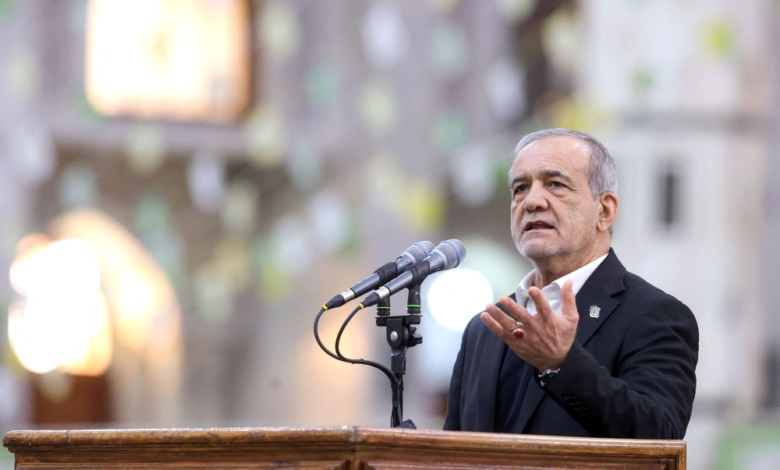
من جانبه، رحب الرئيس الإيراني مسعود بيزشكيان بالنهج الفرنسي القائم على الحوار لتسوية النزاعات. ومع ذلك، فقد ربط أي تفاوض بشأن إعادة الفتح الكامل لمضيق هرمز بشرط أساسي، وهو “رفع الحصار البحري” الذي تفرضه الولايات المتحدة. وأكد بيزشكيان، وفقاً للموقع الإلكتروني للرئاسة الإيرانية، أن طهران مستعدة لحل جميع القضايا في إطار القوانين الدولية، لكنها لن تقبل بمطالب تتجاوز حقوقها المشروعة. وعكس حديثه انعدام الثقة العميق تجاه واشنطن، مشيراً إلى أن “الشروط المفروضة والتصريحات التهديدية” تعقّد أي مسار دبلوماسي.
الأهمية والتأثيرات المتوقعة
يحمل هذا الاتصال أهمية بالغة على عدة مستويات. فعلى الصعيد الدولي، يعكس محاولة أوروبية، بقيادة فرنسا، للعب دور الوسيط ومنع انزلاق المنطقة إلى صراع أوسع قد تكون له تداعيات كارثية على أسواق الطاقة العالمية. أما إقليمياً، فيمثل الاتصال اختباراً مبكراً لسياسة الرئيس بيزشكيان الخارجية، ويراقب العالم ما إذا كان سيتبنى نهجاً أكثر مرونة مقارنة بسلفه. وعلى الصعيد المحلي الإيراني، يواجه بيزشكيان ضغوطاً من التيار المحافظ الذي يرفض تقديم أي تنازلات. وبالتالي، فإن نجاح هذه الجهود الدبلوماسية يعتمد على قدرة جميع الأطراف على بناء الثقة وتقديم ضمانات متبادلة، وهو ما يبدو تحدياً صعباً في ظل المناخ الحالي.