
تفاصيل الاتصال الهاتفي بين ماكرون وبزشكيان
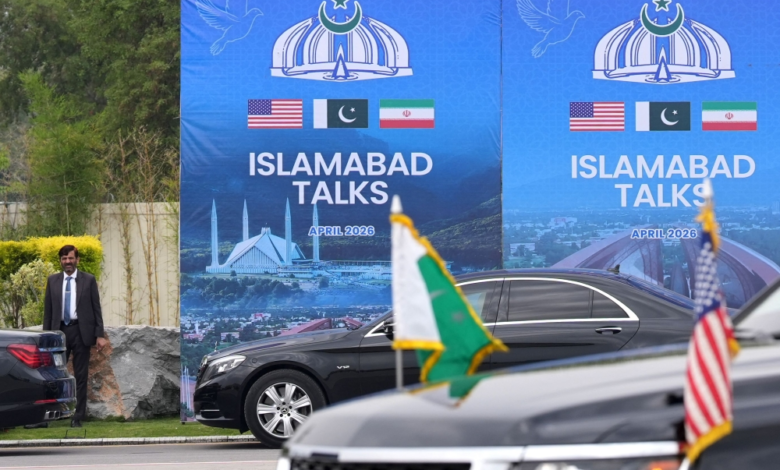
في خطوة دبلوماسية بارزة تعكس القلق الدولي المتزايد حيال التوترات المتصاعدة في الشرق الأوسط، حث الرئيس الفرنسي إيمانويل ماكرون نظيره الإيراني مسعود بزشكيان، خلال اتصال هاتفي جرى يوم السبت، على ضرورة الاستفادة القصوى من المباحثات الدبلوماسية الجارية. وأكد ماكرون على أهمية استغلال المحادثات التي انطلقت مع الولايات المتحدة الأمريكية في العاصمة الباكستانية إسلام آباد، بهدف التوصل إلى “خفض مستدام للتصعيد” في المنطقة التي تشهد اضطرابات أمنية وسياسية غير مسبوقة.
أهمية المباحثات في إسلام آباد وتاريخ الوساطة
وقد أوضح الرئيس الفرنسي عبر حسابه الرسمي على منصة “إكس” (تويتر سابقاً) أنه دعا بزشكيان بشكل صريح إلى “استغلال الفرصة التي تشكلها المحادثات التي انطلقت في إسلام آباد لتمهيد الطريق أمام خفض مستدام للتصعيد”. وتأتي هذه المباحثات في ظل غياب العلاقات الدبلوماسية الرسمية بين واشنطن وطهران منذ عام 1980 عقب أزمة الرهائن، حيث تمثل هذه اللقاءات غير المباشرة أو التي تتم عبر وسطاء دوليين قناة حيوية وضرورية لتجنب الانزلاق نحو مواجهة عسكرية شاملة قد تعصف بالمنطقة بأسرها. وتلعب فرنسا تاريخياً دوراً محورياً في محاولات التهدئة وتقريب وجهات النظر بين الغرب وإيران، وهو ما تجلى سابقاً في جهودها الحثيثة والمستمرة خلال مفاوضات الاتفاق النووي لعام 2015، ومحاولاتها اللاحقة لإنقاذ الاتفاق.
أمن الملاحة في مضيق هرمز: أولوية عالمية
ولم يقتصر الاتصال الهاتفي على مناقشة المباحثات السياسية فحسب، بل تطرق بقوة إلى الجانب الأمني والاقتصادي العالمي. فقد شدد ماكرون على “ضرورة أن تعيد إيران في أسرع وقت حرية وأمن الملاحة في مضيق هرمز”، مبدياً استعداد فرنسا الكامل للمشاركة الفعالة في تحقيق هذا الهدف. ويعد مضيق هرمز أحد أهم الممرات المائية الاستراتيجية في العالم، حيث يمر عبره نحو خمس إنتاج النفط العالمي. وأي تهديد لحركة الملاحة فيه ينعكس بشكل مباشر وفوري على أسواق الطاقة العالمية، مما يجعل استقراره مصلحة دولية عليا تتجاوز الحدود الإقليمية، وتتطلب تضافر الجهود الدولية لضمان تدفق الإمدادات التجارية والنفطية دون عوائق أو تهديدات أمنية.
وقف إطلاق النار في لبنان وتجنب توسع الصراع
على الصعيد الإقليمي، جدد الرئيس الفرنسي تأكيده على “أهمية الاحترام الكامل لوقف إطلاق النار، بما في ذلك في لبنان”. وتكتسب هذه النقطة أهمية خاصة نظراً للروابط التاريخية والثقافية والسياسية العميقة التي تجمع فرنسا بلبنان. وتسعى باريس جاهدة، بالتعاون مع شركائها الدوليين، إلى تجنيب الساحة اللبنانية تداعيات الصراع الدائر في غزة والمنطقة، محذرة مراراً من أن أي تصعيد شامل على الحدود اللبنانية الإسرائيلية قد يؤدي إلى كارثة إنسانية وسياسية يصعب احتواؤها.
التأثير المتوقع للتهدئة المستدامة
إن نجاح هذه الجهود الدبلوماسية والمباحثات الجارية من شأنه أن يترك تأثيراً إيجابياً واسع النطاق. على المستوى المحلي الإيراني، قد يمهد خفض التصعيد الطريق لتخفيف الضغوط الاقتصادية. وإقليمياً، سيساهم في إرساء حالة من الاستقرار النسبي التي تحتاجها دول الشرق الأوسط بشدة للتركيز على التنمية وتجاوز الأزمات. أما دولياً، فإن ضمان أمن الممرات المائية وتجنب حرب إقليمية واسعة سيعزز من استقرار الاقتصاد العالمي، ويقلل من حدة الاستقطاب الجيوسياسي الحالي، مما يتيح للمجتمع الدولي التركيز على تحديات عالمية أخرى ملحة.