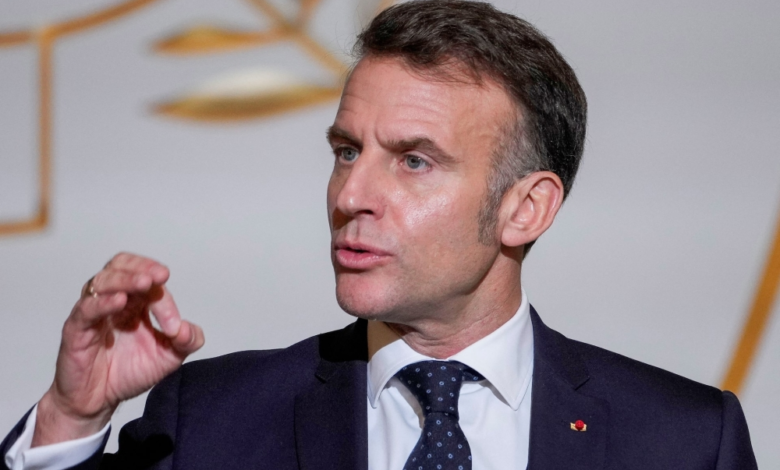
Details of Macron's talks with Pezeshkian and Trump regarding the Iran crisis

Amid unprecedented escalation of tensions in the Middle East, French President Emmanuel Macron held a series of crucial phone calls on Sunday, including with US President Donald Trump and Iranian President Masoud Pezeshkian. These diplomatic moves come on the eve of Macron's trip to Cyprus, part of a concerted French effort to contain the deepening crisis and prevent the region from sliding into a full-blown regional war that would threaten international peace and security.
Macron sends firm messages to the Iranian leadership
Emmanuel Macron is the first high-ranking Western official to communicate directly with Iranian President Masoud Pezeshkian since the latest escalation. In statements published on his official X platform, Macron revealed details of his message to his Iranian counterpart, clearly emphasizing the need for an immediate halt to Iranian attacks targeting countries in the region. French demands were not limited to direct military action but also extended to the security of international navigation.
The French president stressed the importance of ensuring freedom of navigation through the Strait of Hormuz, warning against any attempts to close it. The Strait of Hormuz is of paramount strategic and economic importance internationally, as approximately one-fifth of the world's oil supply passes through it, and any disruption to shipping traffic there could trigger a global energy crisis that would severely impact major economies. Macron also expressed his deep concern regarding Tehran's continued development of its nuclear and ballistic missile programs, considering these activities to be destabilizing to the region and a primary cause of the current crisis.
Trump's statements regarding the selection of the new Iranian Supreme Leader
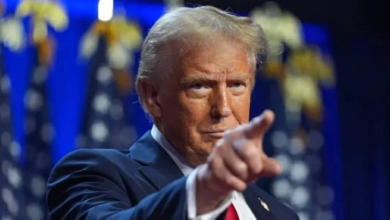
On the other hand, in a striking development reflecting the sharp polarization, US President Donald Trump made fiery statements regarding internal Iranian affairs. Trump threatened that any new Supreme Leader chosen by Tehran must have his personal approval, warning in an interview with an American network that any new leader not approved by Washington would not remain in power for long.
These statements come in the wake of Tehran's announcement that it has begun the process of selecting a successor to the Supreme Leader, following his assassination on the first day of the US-Israeli attack on the country. Historically, the Supreme Leader is the head of the power structure in the Islamic Republic and has the final say on all major policies, both domestic and foreign. Since the establishment of the regime in 1979, Iran has had only two Supreme Leaders: the founder of the republic, Imam Ruhollah Khomeini, and Ali Khamenei, who assumed the position in 1989. The selection process is overseen by the Assembly of Experts, a constitutional body composed of 88 clerics elected by direct popular vote.
Tehran categorically rejects foreign interference
Iran's response to the US president's statements was swift and firm. This is not the first time Trump has hinted at his desire to influence the course of the Iranian leadership, something Tehran considers a direct infringement on its national sovereignty and a blatant interference in its affairs.
In this context, Iranian Foreign Minister Abbas Araqchi told NBC News that the Islamic Republic will not allow anyone to interfere in its internal affairs. Araqchi stressed that the decision to choose the new leadership is the exclusive right of the Iranian people and their constitutional institutions, referring to the role of the Assembly of Experts. This response reflects Tehran's adherence to its decades-old principles of rejecting any external dictates, signaling a new phase of complex political and diplomatic tensions between Tehran and Washington at a time when the entire region is on edge.