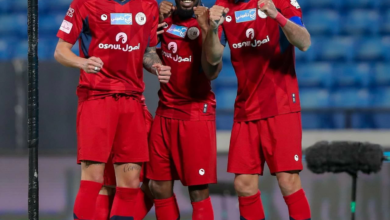

Pep Guardiola, the manager of Manchester City, revealed the professional approach the club takes in dealing with Muslim players within the team during the holy month of Ramadan, stressing respect for religious rituals while maintaining the highest levels of physical performance.
The English Premier League, and Manchester City in particular, boasts a number of Muslim stars who are keen to observe the fast while competing in demanding matches. The veteran Spanish coach believes that fasting does not hinder the players' performance on the pitch; rather, it is treated as part of the team's annual routine.
A detailed nutrition plan and special program
During the pre-match press conference ahead of the Premier League clash against Leeds United, Guardiola explained that the club had made all the necessary logistical and medical adjustments to ensure Muslim players could fast without physical harm. Pep said, "They follow this religious tradition, and we have excellent nutritionists who adapt things to the team's needs.".
The Spanish coach added, praising his players' professionalism: "I think they're used to it; they're not young and they're accustomed to playing at this time of year." This statement reflects the coaching staff's strong confidence in the players' awareness and ability to balance their religious obligations with the demands of professionalism.
General context: Ramadan in the English Premier League
Guardiola's comments come at a time when the Premier League is witnessing a significant evolution in its approach to Ramadan. In recent years, the Professional Footballers' Association and referees have become more flexible and understanding of the needs of fasting players, introducing short breaks during matches that coincide with the Maghrib prayer time to allow players to break their fast with water, dates, or quick supplements.
This trend reflects the positive impact of cultural diversity in the Premier League, where respect for religious beliefs has become an integral part of the English football system, enhancing the league's image as an environment that embraces different cultures and nationalities.
Science and sports medicine in service of those fasting
From a medical standpoint, Manchester City doesn't rely on chance; they utilize science to ensure consistent performance. The club's nutritionists design special meals for breakfast and suhoor (the pre-dawn meal during Ramadan), focusing on slow-release foods to provide sustained energy, along with intensive hydration strategies to replace lost fluids.
Guardiola concluded by emphasizing the ongoing communication between the players and the medical staff, saying: "It's not their first time, and we know how to handle it. They're in contact with the doctors and will adapt, but they know what they have to do." This scientific approach ensures that the Citizens remain at their peak fitness to compete for domestic and continental titles, even during the holy month.