Mohammed bin Salman discusses de-escalation in the region with Erdogan and Starmer

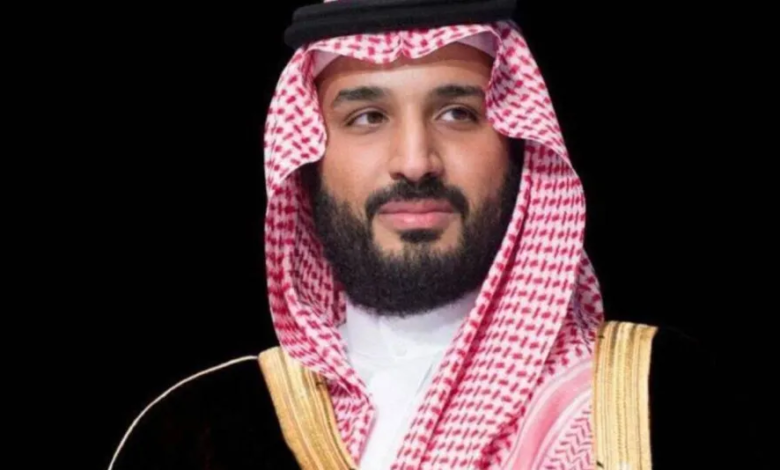
Saudi Crown Prince Mohammed bin Salman held extensive talks with both Turkish President Recep Tayyip Erdoğan and British Prime Minister Keir Starmer, addressing the rapidly escalating developments and repercussions of the current military escalation in the Middle East. These Saudi diplomatic efforts are part of the Kingdom's ongoing endeavors to de-escalate tensions and prevent the region from sliding into a full-blown regional war with potentially disastrous consequences.
Details of the diplomatic talks
During the discussions, the latest regional developments were reviewed, with Prince Mohammed bin Salman emphasizing the need to exert all possible efforts to halt military operations and protect unarmed civilians. He reiterated the Kingdom's firm stance advocating for dialogue and diplomatic solutions. The importance of joint coordination among key players to ensure regional security and stability was also stressed with both the Turkish and British sides.
Regional context and the Saudi role
These talks come at a time of unprecedented turmoil in the region, from the ongoing war in the Gaza Strip to escalating tensions on the Lebanese front and threats to maritime security in the Red Sea. Saudi Arabia is playing a pivotal role in leading Arab and Islamic efforts to pressure the international community to assume its responsibilities. Historically, Riyadh has been a political powerhouse seeking to extinguish the flames of conflict in the Middle East, drawing on the Arab Peace Initiative and its considerable economic and spiritual influence.
The importance of coordination with Türkiye and Britain
Coordination with Turkey is of particular importance given its status as a major regional power and a NATO member, as Saudi and Turkish views have recently aligned on the necessity of a ceasefire and an end to the humanitarian suffering. On the international level, the talks with British Prime Minister Keir Starmer reflect the Kingdom's keenness to involve major powers and permanent members of the Security Council in de-escalation efforts, especially in light of the historic strategic relationship between Riyadh and London.
Expected effects of the diplomatic move
Observers believe this high-level Saudi diplomatic initiative could contribute to forging international pressure to halt the escalation. Continued tensions not only threaten regional security but also cast a dark shadow over the global economy, particularly concerning energy markets and global supply chains. Therefore, the success of these efforts is a shared international interest and reaffirms Crown Prince Mohammed bin Salman's role as a peacemaker and a pivotal figure in global geopolitical balances.