Implementation of the water efficiency services licensing regulations begins in Saudi Arabia

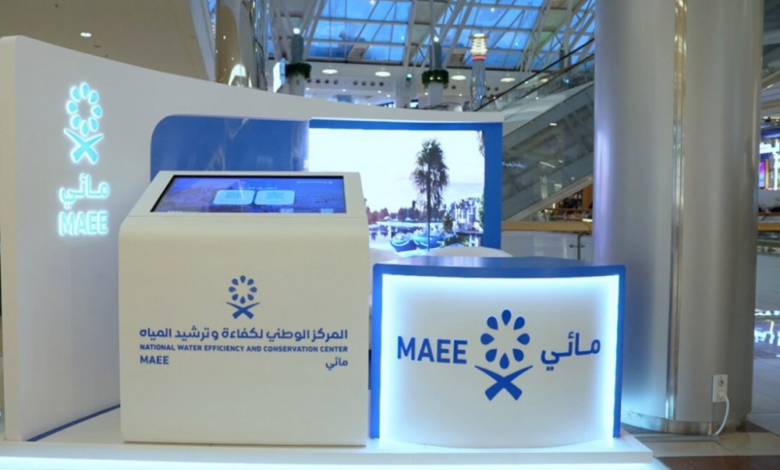
The National Center for Water Efficiency and Conservation (Ma'i) announced today the commencement of the licensing regulations for water efficiency and conservation service providers, following the expiration of the regulatory period for their implementation. This significant step comes within the framework of the Kingdom's ongoing efforts to enhance water sustainability and regulate the sector in line with the objectives of Vision 2030.
Strategic context for enhancing water security
This regulation is of paramount importance given the geographical nature of the Kingdom of Saudi Arabia and its limited natural water resources, as Vision 2030 prioritizes water security and environmental sustainability. Regulating the water services market is a pivotal step towards transitioning from a phase of abundance through desalination alone to one of efficient consumption, thereby reducing financial and environmental waste and extending the lifespan of non-renewable groundwater resources.
Details of licensed activities
The new regulations aim to govern and organize water efficiency and conservation activities across various urban, agricultural, and industrial sectors. The "My Water" Center has identified four key activities requiring a license:
- Water auditing services: Review and analysis of water consumption in facilities.
- Measurement and verification: Ensuring that water savings achieved are in accordance with approved standards.
- Leak detection and repair: Using modern technologies to address network losses.
- Renovation and development project management: Designing and implementing technical solutions that increase consumption efficiency.
Economic and regulatory impact
The implementation of this regulation is expected to create a new professional market for water services, opening the door for companies, institutions, and even individuals to obtain a "water auditor" license. This regulation not only ensures the quality of services provided and protects the rights of beneficiaries, but also enhances reliability in the water business sector and encourages investment in modern water conservation technologies.
Types of licenses and compliance
In this context, the CEO of the "Ma'i" Center, Engineer Fahad Al-Dosari, explained that the regulations represent a comprehensive legislative and executive framework that grants eight different types of licenses. Al-Dosari emphasized that this step will directly contribute to improving water auditing services, enhancing oversight and compliance with technical standards, thus achieving higher operational efficiency in water use and promoting its sustainability for future generations.