
أعلن مرصد جامعة المجمعة الفلكي، الواقع في حوطة سدير، عن جاهزيته التامة وإتمام حساباته الفلكية الدقيقة لرصد هلال شهر رمضان المبارك لعام 1447هـ. وقد كشفت البيانات العلمية الصادرة عن المرصد تفاصيل هامة تتعلق بظروف الرصد مساء يوم الثلاثاء الموافق 17 فبراير 2026م، وهو اليوم الذي يوافق 29 من شهر شعبان حسب تقويم أم القرى، حيث تترقب الأمة الإسلامية نتائج التحري لتحديد غرة الشهر الفضيل.
تفاصيل الحسابات الفلكية وموعد الاقتران
أوضح المرصد في بيانه التفصيلي الظروف العلمية الدقيقة لعملية الترائي، مشيراً إلى أن ظاهرة "الاقتران المركزي" (المحاق) ستحدث فلكياً عند الساعة 03:03 مساءً بتوقيت الرياض يوم الثلاثاء 29 شعبان. وتعتبر لحظة الاقتران هي البداية الفلكية لدورة القمر الجديد، وهي المعيار الأساسي الذي يعتمد عليه الفلكيون في حسابات بدايات الأشهر القمرية.
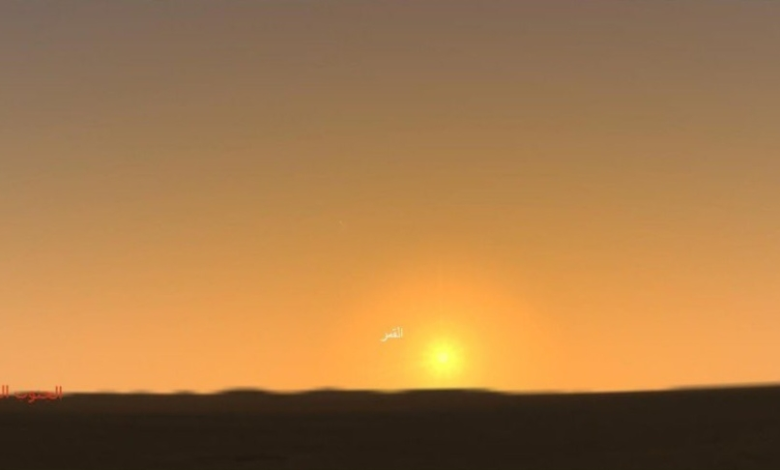
وفيما يخص مواعيد الغروب، بينت الحسابات أن الشمس ستغرب في مكة المكرمة عند الساعة 6:19 مساءً، بينما سيغرب الهلال بعدها عند الساعة 6:23 مساءً، مما يعني بقاء الهلال في الأفق لمدة 4 دقائق. أما في موقع المرصد الفلكي بحوطة سدير، فستغرب الشمس عند الساعة 5:52 مساءً (عند درجة 257)، وسيغرب الهلال عند الساعة 5:54 مساءً (عند درجة 256). وتشير هذه المعطيات إلى أن الهلال سيمكث في الأفق بعد غروب الشمس لمدة "دقيقتين" فقط، وسيكون على ارتفاع 0.5 درجة، واستطالة قدرها 1.61 درجة.
أهمية مرصد حوطة سدير وموقعه الاستراتيجي
يكتسب مرصد جامعة المجمعة في حوطة سدير أهمية كبرى على المستوى المحلي والإقليمي، حيث يُعد واحداً من أبرز المراصد الفلكية المعتمدة في المملكة العربية السعودية لرصد الأهلة. ويعود اختيار هذا الموقع إلى طبيعته الجغرافية المميزة، حيث يقع في منطقة مرتفعة تتميز بصفاء الجو والبعد عن التلوث الضوئي للمدن، مما يجعله موقعاً مثالياً للرصد الفلكي الدقيق. وقد ساهم المرصد على مدار السنوات الماضية في تقديم بيانات دقيقة ساعدت المحكمة العليا والجهات المختصة في اتخاذ القرارات المتعلقة بدخول الأشهر الهجرية.
التأثير الديني والاجتماعي لتحري الهلال
يحظى حدث تحري هلال شهر رمضان بمتابعة واسعة واهتمام بالغ من قبل المسلمين في كافة أنحاء العالم، نظراً لارتباطه المباشر بعبادة الصيام. وتعتمد المملكة العربية السعودية في إثبات دخول الشهر على الرؤية الشرعية بالعين المجردة أو بالمناظير، مع الاستئناس بالحسابات الفلكية لتوجيه الراصدين وتأكيد إمكانية الرؤية. وتمثل هذه الحسابات التي يقدمها مرصد المجمعة دليلاً علمياً يساعد المترائين في تحديد موقع الهلال بدقة في السماء لحظة الغروب، مما يقلل من احتمالات الخطأ ويزيد من دقة عملية الرصد.
الجدير بالذكر أن بقاء الهلال لمدة دقيقتين فقط يمثل تحدياً كبيراً للرصد البصري، إلا أن الأجهزة الفلكية الحديثة والتقنيات المتطورة التي يمتلكها المرصد تساهم في توثيق هذه اللحظات بدقة متناهية، لتقديم تقرير علمي متكامل للجهات المعنية.