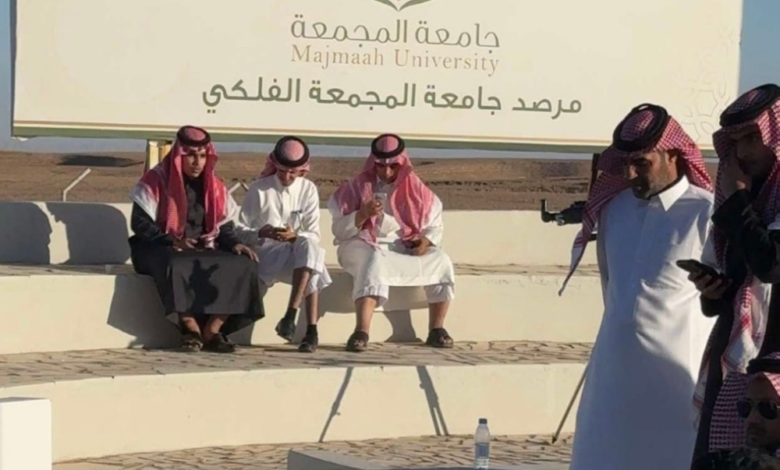

أكملت جامعة المجمعة كافة استعداداتها الفنية والإدارية واللوجستية في مرصد حوطة سدير الفلكي، وذلك استعداداً للحدث السنوي الأبرز المتمثل في عملية ترائي هلال شهر رمضان المبارك. وقد سخرت الجامعة إمكاناتها لضمان دقة الرصد، استجابة لدعوة المحكمة العليا وتطبيقاً للسنة النبوية الشريفة، وسط اهتمام محلي وإقليمي واسع.
تظاهرة إسلامية علمية في سدير
لم يعد مرصد حوطة سدير مجرد موقع للرصد الفلكي المحلي، بل تحول هذا العام إلى ملتقى دولي يجمع المهتمين بالفلك والشريعة. حيث شهد المرصد حضوراً لافتاً لوفود طلابية من الجامعة الإسلامية يمثلون أكثر من 13 دولة عربية وإسلامية. يهدف هذا التجمع إلى نقل التجربة السعودية الفريدة في الجمع بين الرؤية الشرعية والحسابات الفلكية الدقيقة إلى العالم الإسلامي، مما يعزز من مكانة المملكة كمرجعية دينية وعلمية في تحديد الأهلة.
وفي سياق التعاون الخليجي والعربي، استقبلت الجامعة وفوداً رفيعة المستوى من جمهورية مصر العربية ودولة الكويت الشقيقة، جاؤوا خصيصاً للمشاركة في هذه اللحظات الإيمانية وتبادل الخبرات الفلكية مع الجانب السعودي، والاطلاع على أحدث التقنيات المستخدمة في المرصد.
تجهيزات تقنية متطورة ودقة في الرصد
أكد وكيل جامعة المجمعة للبحث العلمي، الدكتور محمد الشهري، أن الجامعة لم تدخر جهداً في تطوير البنية التحتية للمرصد. وشملت التحديثات تزويد الموقع بأحدث التلسكوبات والأجهزة الفلكية الرقمية التي تساعد في تتبع الهلال بدقة متناهية حتى في أصعب الظروف المناخية.
ومن أبرز الإضافات التي كشف عنها الشهري، تخصيص غرفة مغلقة ومعزولة تماماً للجنة الترائي الرسمية، وذلك لضمان عدم تأثر الراصدين بأي عوامل خارجية أو ضوضاء قد تشتت التركيز، مما يعكس حرص الجامعة على تحري الدقة القصوى في إثبات دخول الشهر الفضيل.
الأهمية الجغرافية والتاريخية لمرصد سدير
يكتسب مرصد حوطة سدير أهميته الاستراتيجية من موقعه الجغرافي المتميز، حيث يقع في منطقة تتمتع بصفاء الأجواء والارتفاع المناسب عن سطح البحر، مما يجعله واحداً من أفضل المواقع عالمياً لرصد الأهلة والنجوم. وقد ارتبط اسم “سدير” تاريخياً بإعلانات دخول الأشهر الهجرية، مما جعل أنظار المسلمين في شتى بقاع الأرض تتجه صوب هذا المرصد مع غروب شمس يوم التاسع والعشرين من شعبان في كل عام.
منظومة عمل متكاملة
لضمان نجاح هذه المهمة الوطنية والدينية، تضافرت جهود مختلف القطاعات الحكومية والأمنية في الموقع. حيث تواجدت فرق المرور والشرطة لتنظيم حركة السير وتأمين المنطقة، بالإضافة إلى تواجد فرق الهلال الأحمر والخدمات الطبية لتقديم الدعم اللوجستي والصحي للزوار والوفود المشاركة، مما يعكس تكامل مؤسسات الدولة في خدمة الشعائر الدينية.