Key projects for 2026: Economic development plans and a vision for the future

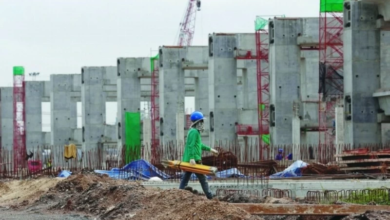
The year 2026 represents a pivotal moment in the trajectory of the global and regional economy, viewed as a major turning point for many long-term strategic plans. The projects targeted this year extend beyond the construction sector, encompassing radical transformations in digital infrastructure, clean energy, and global tourism, making it the year of initial reaping the rewards of numerous ambitious national visions.
General context: 2026 as a bridge to the future
The focus on 2026 stems from its position midway through the current decade, a deadline for many of the milestones within the UN Sustainable Development Goals, as well as within the national visions of emerging economies. After years of planning and recovery from previous global economic crises, governments and major corporations are moving towards delivering initial phases of mega-projects aimed at diversifying income sources and reducing dependence on fossil fuels.
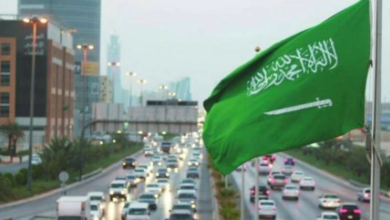
Mega projects in Saudi Arabia and Vision 2030
Regionally, and specifically in Saudi Arabia, 2026 is considered a pivotal year for the delivery and operation of key components of the Vision 2030 projects. Reports and announced plans indicate that this year will witness:
- NEOM projects are expanding: The features of actual life are expected to start appearing more prominently in areas such as “Sindalah” and “The Line”, with the completion of advanced stages of infrastructure to receive residents and tourists.
- The Red Sea Project: Aiming to operate a larger number of luxury hotels and resorts at full capacity, thus enhancing the Kingdom’s position as a global tourist destination.
- Qiddiya and Diriyah: Accelerating the pace of work to open major entertainment and cultural phases aimed at attracting millions of visitors annually.
Global infrastructure and the 2026 World Cup
Internationally, all eyes are on North America (the United States, Canada, and Mexico), which will host the 2026 FIFA World Cup. This massive sporting event has spurred enormous infrastructure projects, including:
- Upgrading and expanding international airports to accommodate the unprecedented influx of passengers.
- Developing public transport networks and smart stadiums that rely on sustainability technologies.
- Billions of dollars in investments were poured into the hospitality and logistics sector.
The shift towards clean energy and technology
Economically, many global automakers have set 2026 as the deadline for launching full fleets of electric vehicles, in line with new European and American regulations. This coincides with massive projects for green hydrogen production and the development of sixth-generation (6G) communication networks, the research and application phases of which will begin to take shape by that year.
Economic importance and expected impact
Completing these projects by 2026 will not only result in buildings and facilities, but will also have a profound economic impact, including:
- Job creation: Providing millions of direct and indirect jobs in the tourism, technology, and renewable energy sectors.
- Diversifying the GDP: Reducing dependence on the traditional economy and promoting the knowledge and digital economy.
- Attracting foreign investment: Boosting confidence in emerging markets that adhere to their timelines for implementing major projects.
In conclusion, 2026 will be a true test of the ability of countries and companies to deliver on their development promises, and the success of these projects will be the cornerstone of economic prosperity in the second half of the decade.