
تفاصيل اكتمال دراسات تنفيذ مطار ومترو مكة المكرمة
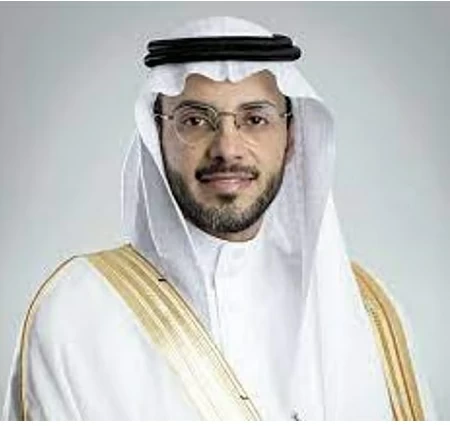
في خطوة استراتيجية تهدف إلى إحداث نقلة نوعية في البنية التحتية لقطاع النقل، كشف المهندس صالح الرشيد، الرئيس التنفيذي للهيئة الملكية لمدينة مكة المكرمة والمشاعر المقدسة، عن الانتهاء من إعداد دراسات معمقة وشاملة لتنفيذ مشروع مطار مدينة مكة المكرمة. وأكد الرشيد أن هذا المشروع سيتم تصميمه وبناؤه وفقاً لأعلى المواصفات العالمية، مع مراعاة دقيقة لضمان عدم التأثير السلبي على الجدوى الاقتصادية للمطارات الحالية الموجودة في المدن المجاورة، وتحديداً مطار الملك عبد العزيز الدولي بجدة ومطار الطائف الدولي.
التوجهات الاستراتيجية والاقتصادية للمشروع
وأشار الرشيد، خلال مقابلة حصرية أجراها مع مجلة هارفارد بزنس ريفيو، إلى أنه قد تمت الموافقة الرسمية على التوجهات الاستراتيجية والاقتصادية والاستثمارية الخاصة بالمطار الجديد. ويُعد هذا المشروع الحيوي من أبرز وأهم جهود الهيئة الملكية للمساهمة الفاعلة في تحقيق مستهدفات رؤية السعودية 2030. وفي إطار تعزيز الاستدامة المالية، أوضح أنه سيتم العمل جنباً إلى جنب مع القطاع الخاص لتطوير وتحديد النموذج الاستثماري الأنسب الذي يضمن نجاح المشروع واستمراريته بكفاءة عالية.
تطورات مشروع مترو مكة المكرمة
وفيما يتعلق بقطاع النقل العام داخل العاصمة المقدسة، تطرق الرشيد إلى مشروع مترو مكة، موضحاً أنه تم استكمال كافة دراسات الجدوى والتصاميم الأولية الخاصة به. وقد رُفعت هذه الدراسات إلى الجهات ذات العلاقة لاستكمال الإجراءات النظامية واللازمة، تمهيداً لطرح المشروع للتنفيذ في مراحله القادمة. سيعمل هذا المشروع على ربط أحياء مكة المكرمة ببعضها البعض وتسهيل حركة تنقل السكان والزوار بانسيابية تامة.
السياق التاريخي وأهمية مشاريع النقل في مكة
تاريخياً، اعتمدت مكة المكرمة في استقبال ضيوف الرحمن بشكل رئيسي على المنافذ الجوية في المدن المجاورة، وعلى رأسها مدينة جدة التي تُعد البوابة الجوية الرئيسية لمكة. ومع تزايد أعداد الحجاج والمعتمرين عاماً بعد عام، برزت الحاجة الملحة لتطوير منظومة نقل متكاملة ومستقلة داخل مكة. إن إنشاء مطار مخصص لمكة المكرمة، إلى جانب شبكة مترو متطورة، سيمثل تحولاً جذرياً في تاريخ المدينة، مما يسهل وصول ملايين المسلمين من شتى بقاع الأرض مباشرة إلى العاصمة المقدسة.
التأثير المتوقع على المستويين المحلي والدولي
على المستوى المحلي، ستسهم هذه المشاريع الضخمة في خلق آلاف فرص العمل المباشرة وغير المباشرة للشباب السعودي، بالإضافة إلى تخفيف الازدحام المروري الخانق الذي تشهده مكة، خاصة في مواسم الحج والعمرة. كما أن مشروع المترو سيتكامل مع قطار الحرمين السريع وقطار المشاعر المقدسة، مما يخلق شبكة نقل حضرية مستدامة تقلل من الانبعاثات الكربونية وتدعم مبادرة السعودية الخضراء.
أما على المستوى الإقليمي والدولي، فإن هذه الخطوات تعزز من مكانة المملكة العربية السعودية كمركز لوجستي عالمي، وتؤكد التزامها الراسخ بتقديم أفضل الخدمات لضيوف الرحمن. وتنسجم هذه المشاريع بشكل مباشر مع هدف رؤية 2030 المتمثل في استضافة 30 مليون معتمر سنوياً بحلول عام 2030، مما يتطلب بنية تحتية قادرة على استيعاب هذه الأعداد المليونية بكفاءة، وراحة، وأمان تام.