Makkah Forum: A comprehensive plan to enhance impact measurement in non-profit organizations

In a strategic move aimed at correcting the course of charitable and developmental work in Saudi Arabia, the Second Forum of Associations in the governorates and villages of the Makkah region revealed a shocking statistic that warrants attention: allocations for "impact measurement" in the majority of non-profit organizations do not exceed 5% of their total budgets. This figure does not merely reflect a financial deficit, but rather points to a fundamental challenge facing the non-profit sector in its journey towards achieving efficiency and sustainability, especially given the sector's significant expansion.
The forum was launched under official sponsorship and with broad participation
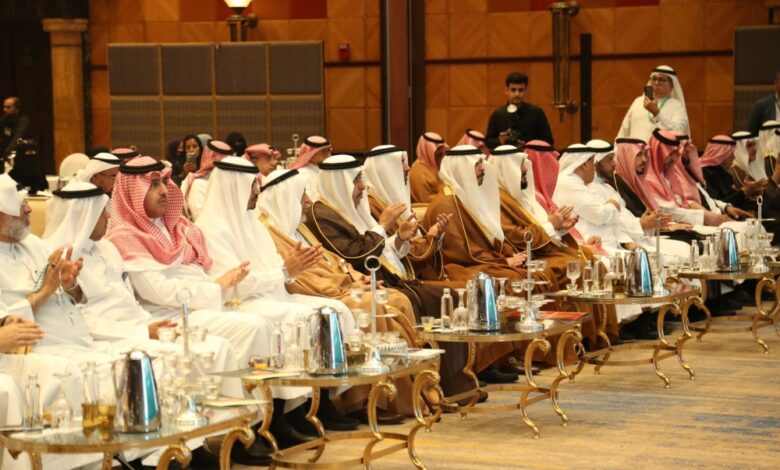
The Jeddah Governorate witnessed the launch of the forum under the theme "From Impact to Sustainability," under the generous patronage of His Royal Highness Prince Saud bin Mishaal bin Abdulaziz, Deputy Governor of the Makkah Region. The event attracted more than 300 organizations and non-profit associations, in addition to a select group of decision-makers, donors, and leaders in the non-profit sector, reflecting the growing interest in developing the infrastructure for social work in the region.
Context of transformation: From pastoral to developmental
This forum comes at a pivotal time, as the Kingdom's non-profit sector undergoes a historic transformation aligned with the goals of Saudi Vision 2030. After decades of focusing on traditional, direct aid-based charity, the focus is now shifting towards sustainable development work that makes a lasting difference in the lives of beneficiaries. "Impact measurement" tools are the true compass for this transformation, as the Vision aims to increase the non-profit sector's contribution to the GDP, a goal that cannot be achieved without accurate data demonstrating the effectiveness of implemented programs.
Modern tools for bridging the gap
The forum primarily aims to bring about a qualitative shift by empowering rural associations to utilize modern global measurement tools. Sessions focused on the importance of adopting Key Performance Indicators (KPIs) and the Social Return on Investment (SROI) methodology. Professor Khalid bin Ahmed Al-Osaimi, CEO of the Tanmia Association, explained that the forum was designed to provide practical content that helps associations improve the quality of their decisions and enhance the credibility of their reports to donors.
Data and transparency challenges
The participants openly discussed the challenges that hinder impact measurement, most notably:
- Data gaps: Weak data collection and analysis systems and low utilization of artificial intelligence.
- Lack of unified standards: The associations' lack of a national reference framework makes it difficult to compare results and unify efforts.
- Weak research partnerships: Declining cooperation with universities and research centers to produce applied research that serves the sector.
The future of non-profit work: recommendations and partnerships
The forum did not merely diagnose the problem; it also proposed practical solutions, including the signing of strategic agreements between associations and the private sector. Work is also underway to prepare a recommendations document to be submitted to official bodies for the adoption of a "unified national framework for impact measurement," and to launch a digital platform for knowledge exchange. The forum showcased more than 10 success stories of rural associations that have achieved tangible impact, serving as models for transitioning from temporary, short-term impact to long-term sustainability.