
participated The Culinary Arts Commission in Anime Japan 2026, within the Manga Productions pavilion in Tokyo, Japan, to offer a Saudi hospitality experience. This participation reinforced the Commission's ongoing efforts to represent the Kingdom and develop its culinary sector.
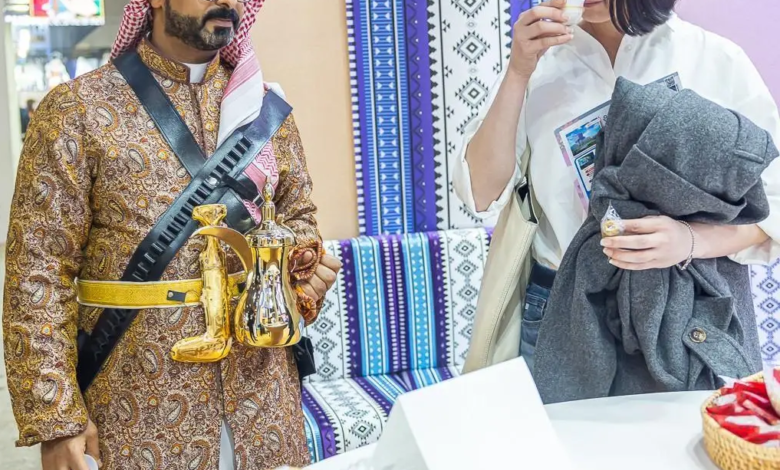
The Commission's participation included offering traditional Saudi products to pavilion visitors, such as maamoul and kleija, packaged with Saudi branding and accompanied by informational cards describing each product to provide visitors with enriching information about it. The Commission also offered Saudi coffee and dates to partners and visitors within the pavilion, reflecting the generosity of Saudi hospitality and enhancing the presence of Saudi cultural identity at international events.
International attendance
The Culinary Arts Commission selected these products due to their importance across all regions of Saudi Arabia. The Commission is working to enhance their international presence by showcasing them to visitors and introducing them to the industry.
It's worth noting that the Anime Japan Expo, held at Tokyo's Big Sight Center, attracts over 150,000 visitors annually from around the world, with more than 100 companies from various continents participating.
Manga Productions is the first company from outside East Asia to sponsor Anime Japan, and it sponsored the expo for two consecutive years, 2025 and 2026.
Manga Productions is a subsidiary of the Mohammed bin Salman Foundation (MiSK) and specializes in creating creative content through the production of animation, video games, and comics with a purposeful message and professional quality, targeting diverse segments of society both locally and globally. The
Culinary Arts Commission's collaboration with Manga Productions is an initiative aimed at representing the culinary sector in a contemporary manner at various events and presenting dishes that reflect Saudi hospitality to a diverse audience, thus enriching cultural exchange.