
تشهد مكة المكرمة خلال هذه الأيام حراكاً اقتصادياً متصاعداً ونشاطاً تجارياً ملحوظاً، تزامناً مع قرب حلول شهر رمضان المبارك، حيث بدأت العاصمة المقدسة في ارتداء حلتها الموسمية لاستقبال المعتمرين والزوار من شتى بقاع الأرض. هذا النشاط لا يعكس فقط الاستعدادات الروحانية، بل يبرز المكانة الاقتصادية المحورية لمكة المكرمة كواحدة من أهم المدن الحيوية في العالم الإسلامي خلال المواسم الدينية.
انتعاش قطاع التجزئة والضيافة
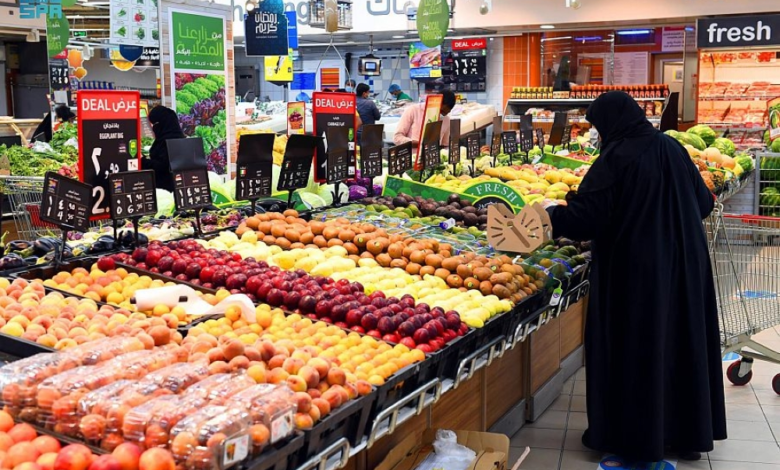
رصدت التقارير الميدانية انتعاشاً كبيراً في قطاعات التجزئة والمواد الغذائية، حيث تتسابق الأسواق والمراكز التجارية لطرح السلع الرمضانية الأساسية، والتمور، والمشروبات التقليدية التي تزين موائد الإفطار. كما يشهد قطاع الفنادق والشقق الفندقية، وتحديداً في المنطقة المركزية المحيطة بالمسجد الحرام، ارتفاعاً ملموساً في نسب الحجوزات المبكرة، مما يبشر بموسم استثنائي يعوض فترات الركود السابقة ويدعم المستثمرين في هذا القطاع الحيوي.
العمق التاريخي والاقتصادي لمواسم مكة
تتمتع مكة المكرمة بخصوصية تاريخية واقتصادية فريدة تمتد لقرون؛ فمنذ القدم، ارتبطت المواسم الدينية فيها بحركة تجارية نشطة، حيث كانت الأسواق تقام تزامناً مع توافد الحجاج والمعتمرين. هذا الإرث التاريخي أسس لنموذج اقتصادي مستدام يجعل من مواسم العمرة والحج محركات رئيسية للنمو الاقتصادي المحلي. واليوم، ومع تطور البنية التحتية، تحولت هذه الحركة التجارية التقليدية إلى منظومة اقتصادية متكاملة تشمل الخدمات اللوجستية، والنقل، والإعاشة، والتقنية، مما يعزز من الناتج المحلي للمنطقة.
الأثر الاقتصادي وتوافق الرؤية
يتناغم هذا الحراك الاقتصادي المتنامي مع مستهدفات رؤية المملكة 2030، وتحديداً برنامج خدمة ضيوف الرحمن، الذي يهدف إلى تيسير استضافة المزيد من المعتمرين وتقديم خدمات ذات جودة عالية. يسهم هذا التدفق البشري الهائل في خلق آلاف الفرص الوظيفية الموسمية والدائمة لشباب وشابات الوطن، بالإضافة إلى دعم المنشآت الصغيرة والمتوسطة التي تعتمد بشكل كبير على القوة الشرائية العالية خلال شهر رمضان المبارك، مما يجعل من هذا الموسم ركيزة أساسية في الدورة الاقتصادية السنوية للعاصمة المقدسة.
رقابة صارمة لضمان الجودة
وفي إطار تنظيم هذا الحراك، كثفت أمانة العاصمة المقدسة والجهات المعنية جولاتها الرقابية الميدانية لضمان سلامة الغذاء وجودة الخدمات المقدمة. تشمل هذه الجهود مراقبة الأسواق، والمطاعم، ومحلات بيع المواد الغذائية للتأكد من التزامها بالاشتراطات الصحية والبلدية. وتأتي هذه الخطوات لتعزيز الثقة لدى المستهلكين والزوار، وضمان تجربة روحانية آمنة ومريحة، مدعومة ببنية تحتية وخدمية متطورة تليق بقدسية المكان وعظمة الزمان.