Our markets are overflowing with goodness: Mecca provides food and Eid slaughterhouses

Historical context and strategic importance of the markets of Mecca
Throughout Islamic history, Mecca has been considered the spiritual capital and beating heart of the Muslim world. Its markets have long served as a vital commercial hub, a meeting place for pilgrims and visitors from all corners of the earth. In modern times, with the increasing number of visitors to the Grand Mosque, the Saudi Arabian government places great emphasis on food security and public health, in line with the goals of Saudi Vision 2030, which prioritizes quality of life and providing a safe and healthy environment for citizens, residents, and visitors alike. These efforts are amplified during major religious seasons such as Ramadan and Eid al-Fitr, when the holy city experiences a surge in economic activity, reflecting the dynamism of Mecca's market and its immense capacity.
Launch of the "Our Markets Are Full of Goodness" campaign
As part of these intensive preparations, the Makkah branch of the Ministry of Environment, Water and Agriculture mobilized all its supervisory and technical teams to secure public markets and slaughterhouses in anticipation of Eid al-Fitr 1447 AH. These efforts fall under the umbrella of a comprehensive national campaign, "Our Markets Are Abundant with Goodness," which primarily aims to ensure the availability of essential goods in quantities that meet the growing needs of residents and visitors, while fully ensuring their compliance with the highest approved local and international health standards.
Intensifying monitoring efforts and controlling prices
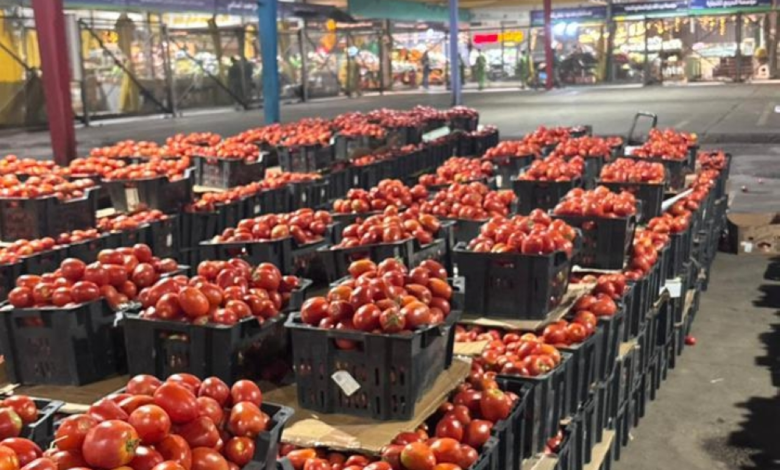
Engineer Waleed Al-Dughaither, Director General of the Ministry's branch in the region, emphasized the importance of intensifying monitoring and awareness efforts across all governorates of Makkah. He explained that these scheduled and surprise field visits cover several vital sectors, most notably livestock, fruit and vegetable, and meat markets. These visits focus directly on controlling prices and preventing any attempts at monopolization or exploitation during the Eid season, in addition to thoroughly verifying the quality of food products offered to ensure a safe and healthy environment for consumers.
Readiness of Eid slaughterhouses and medical staff
On the ground, reports from the relevant committees indicated that all slaughterhouses in the region were fully prepared to receive citizens and residents from the early morning hours of Eid. To facilitate this process, modern organizational programs were implemented to streamline the receiving and delivery of slaughtered animals, thus reducing waiting times and preventing overcrowding. Engineer Al-Dughaither noted that a comprehensive team, including a select group of veterinarians, veterinary assistants, supervisors, and qualified butchers, was assembled to ensure the slaughterhouses operated at full capacity under the supervision of specialized oversight committees.
Veterinary inspection and sustained control
To protect public health, the Ministry emphasized the mandatory and crucial importance of thorough veterinary inspection of carcasses, which is conducted in two stages: before slaughter to ensure the livestock are free from visible diseases, and after slaughter to guarantee the meat's safety through laboratory testing and its suitability for human consumption. The Ministry called upon all consumers to actively cooperate and report any observations or violations through the available official channels. It also noted that these rigorous oversight measures will not be limited to the Eid period but are an integral part of a year-round strategy to enhance community oversight. Al-Dughaither concluded by affirming that the combined efforts of these institutions primarily aim to ensure easy access to fresh meat and safe food products, thereby supporting and solidifying Makkah's position as a vibrant spiritual and economic center.