
أمير مكة يقف على جاهزية الجهات التشغيلية لموسم الحج
في إطار الاستعدادات المبكرة والمكثفة لضمان راحة ضيوف الرحمن، اطلع صاحب السمو الملكي الأمير خالد بن فيصل بن عبدالعزيز، مستشار خادم الحرمين الشريفين، أمير منطقة مكة المكرمة ورئيس اللجنة المركزية للحج، على مخرجات اجتماعات اللجنة والخطط التفصيلية للجهات التشغيلية المعنية بخدمة الحجاج خلال موسم حج العام الحالي 1447هـ. يعكس هذا الاجتماع الحرص البالغ من القيادة السعودية على متابعة أدق التفاصيل لضمان نجاح الموسم وتقديم أرقى الخدمات للحجاج.
جولات ميدانية وتقييم شامل للمشاعر المقدسة
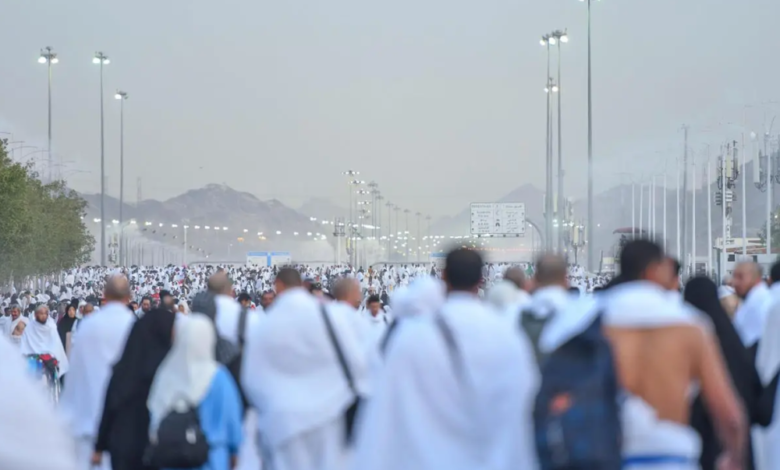
خلال اللقاء، استمع الأمير خالد بن فيصل إلى شرح مفصل من صاحب السمو الملكي الأمير سعود بن مشعل بن عبدالعزيز، نائب أمير المنطقة ونائب رئيس اللجنة. وتضمن الشرح نتائج الجولات الميدانية المكثفة التي شملت المشاعر المقدسة وعدداً من المواقع الحيوية المرتبطة برحلة الحج. تهدف هذه الجولات إلى الوقوف الفعلي على جاهزية البنية التحتية، واكتمال الاستعدادات اللوجستية والأمنية والصحية لاستقبال ضيوف الرحمن، والتأكد من أن جميع القطاعات تعمل بتناغم تام لخدمتهم على الوجه الأكمل.
السياق التاريخي ورؤية المملكة 2030 في خدمة الحجاج
تاريخياً، تولي المملكة العربية السعودية منذ تأسيسها اهتماماً استثنائياً بخدمة الحرمين الشريفين وقاصديهما، وتعتبر ذلك شرفاً ومسؤولية كبرى. وفي العصر الحديث، تندرج هذه الجهود ضمن مستهدفات «برنامج خدمة ضيوف الرحمن»، أحد أهم برامج رؤية السعودية 2030، والذي يهدف إلى إحداث نقلة نوعية في تجربة الحج والعمرة. من خلال تطوير البنية التحتية في مكة المكرمة والمشاعر المقدسة، وتوظيف أحدث التقنيات الذكية، تسعى المملكة إلى تيسير استضافة أعداد متزايدة من الحجاج والمعتمرين، مع الحفاظ على أعلى معايير الأمن والسلامة والصحة العامة.
التأثير المحلي والإقليمي والدولي لنجاح موسم الحج
لا تقتصر أهمية الاستعدادات لموسم الحج على البعد المحلي المتمثل في استنفار كافة طاقات الدولة وتنشيط الحركة الاقتصادية وتوفير فرص العمل في منطقة مكة المكرمة فحسب، بل يمتد تأثيرها إقليمياً ودولياً. فنجاح المملكة في إدارة هذه الحشود المليونية القادمة من شتى بقاع الأرض يبعث برسالة طمأنينة للعالم الإسلامي بأسره. كما يعزز من مكانة المملكة كقوة رائدة قادرة على إدارة أكبر تجمع بشري سنوي في العالم بكفاءة واقتدار، مما ينعكس إيجاباً على صورتها الدولية ويبرز قوتها الناعمة في توفير الأمن والسلام لملايين المسلمين.
مؤشرات الأداء ورفع مستوى التنسيق المشترك
تجسيداً لتوجيهات القيادة الرشيدة -أيدها الله- التي سخرت كافة الإمكانات المادية والطاقات البشرية، استعرض سمو أمير مكة المكرمة أبرز نتائج مؤشرات متابعة أداء مهام الجهات المختلفة. وتم التركيز على الخطوات العملية لرفع مستوى التنسيق المشترك بين كافة القطاعات (الأمنية، الصحية، الخدمية، والنقل) في جميع المواقع المرتبطة برحلة الحجيج. يضمن هذا التنسيق العالي تقديم الدعم الفوري وتوفير الرعاية الشاملة للحجاج، وتيسير تنقلاتهم وإقامتهم منذ لحظة وصولهم إلى أراضي المملكة وحتى عودتهم إلى ديارهم سالمين غانمين، ليؤدوا مناسكهم في أجواء مفعمة بالطمأنينة والروحانية واليسر.