
تفاصيل قرار منع دخول المقيمين إلى مكة المكرمة
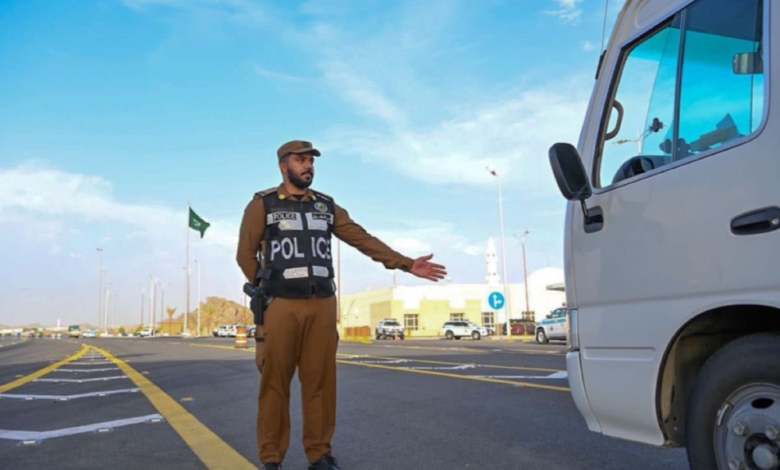
في إطار الاستعدادات المبكرة والمكثفة لتنظيم موسم الحج، أعلن الأمن العام السعودي رسمياً عن بدء تطبيق قرار منع دخول المقيمين إلى مكة المكرمة دون الحصول على تصريح مسبق. ويدخل هذا القرار حيز التنفيذ اعتباراً من يوم الإثنين الموافق 25 شوال 1447هـ (13 أبريل 2026م). يأتي هذا الإجراء ضمن الخطط الاستراتيجية السنوية التي تهدف إلى ضمان انسيابية الحركة وتوفير بيئة آمنة ومريحة لضيوف الرحمن قبل بدء مناسك الحج.
الحالات الثلاث المستثناة من قرار المنع
أوضح الأمن العام أن هناك استثناءات محددة تتيح لبعض الفئات من المقيمين الدخول إلى العاصمة المقدسة دون عوائق، وتقتصر هذه الاستثناءات على ثلاث حالات رئيسية تتمثل في الآتي:
- تصريح عمل في العاصمة المقدسة: يُسمح للمقيمين الذين يمتلكون تصاريح عمل سارية المفعول وصادرة من الجهات المختصة للعمل داخل مكة المكرمة بالدخول لممارسة مهامهم الوظيفية.
- هوية مقيم صادرة من مكة: يُستثنى المقيمون الذين يحملون إقامة (هوية مقيم) تم إصدارها من جوازات العاصمة المقدسة، حيث يُعتبرون من سكان المدينة.
- تصريح حج ساري المفعول: يُسمح لمن أتم إجراءات التسجيل وحصل على تصريح حج رسمي بالدخول لأداء المناسك.
السياق العام والخلفية التاريخية لتنظيم الحج
تاريخياً، دأبت المملكة العربية السعودية على اتخاذ تدابير تنظيمية صارمة قبيل انطلاق موسم الحج بأسابيع. يُعد قرار اشتراط تصريح دخول مكة للمقيمين إجراءً أمنياً وتنظيمياً معتاداً يتم تفعيله سنوياً في شهر شوال. في العقود الماضية، كانت التحديات المتعلقة بإدارة الحشود تتطلب تدخلاً بشرياً مكثفاً، ولكن مع التطور التقني ورؤية المملكة 2030، أصبحت هذه الإجراءات تتم بشكل آلي وسلس عبر منصات حكومية موثوقة مثل منصة أبشر وبوابة مقيم، مما يسهل على القطاعات الحكومية والخاصة استخراج التصاريح للعاملين لديهم بكل يسر وسهولة.
أهمية الحدث وتأثيره المتوقع
التأثير المحلي
على الصعيد المحلي، يسهم هذا القرار بشكل مباشر في القضاء على ظاهرة الحج غير النظامي (الحج بلا تصريح)، ويخفف من الكثافة المرورية والبشرية في شوارع مكة المكرمة والمشاعر المقدسة. كما يتيح للجهات الأمنية والصحية والخدمية تقديم خدماتها بكفاءة أعلى، مما ينعكس إيجاباً على جودة الحياة لسكان مكة المكرمة والراحة التامة للحجاج النظاميين.
التأثير الإقليمي والدولي
إقليمياً ودولياً، يبعث هذا التنظيم الدقيق برسالة طمأنينة إلى كافة الدول الإسلامية والعالم أجمع، مفادها أن المملكة العربية السعودية تضع سلامة وأمن الحجاج في قمة أولوياتها. من خلال السيطرة على أعداد المتواجدين في العاصمة المقدسة، تضمن المملكة تقليل المخاطر الصحية والأمنية، وتقديم نموذج عالمي يُحتذى به في إدارة الحشود المليونية التي تتجمع في مساحة جغرافية محددة وفي وقت زمني واحد.
في الختام، شدد الأمن العام على ضرورة التزام جميع المقيمين بالتعليمات الصادرة، مؤكداً أن الجهات الأمنية ستقوم بتطبيق الأنظمة بحزم وإعادة من لا يحملون التصاريح اللازمة من مراكز الضبط الأمني المؤدية إلى مكة المكرمة، لضمان نجاح الخطط التشغيلية لموسم الحج.