
في خطوة تعكس التطور المتسارع الذي تشهده المملكة العربية السعودية في مختلف القطاعات الاقتصادية، سلط منتدى مكة للحلال الضوء على الأدوار المحورية والمتنامية للمرأة في صناعة الحلال العالمية. ولم يعد دور المرأة مقتصراً على المشاركة التقليدية، بل تحول إلى عنصر فاعل ومؤثر في منظومة اقتصادية متكاملة تتقاطع فيها سلاسل القيمة مع التحول الرقمي والتمكين الاقتصادي، وذلك تماشياً مع مستهدفات رؤية المملكة 2030.
السياق الاقتصادي وأهمية صناعة الحلال
تأتي هذه النقاشات في وقت يشهد فيه اقتصاد الحلال نمواً عالمياً غير مسبوق، حيث تتجاوز تقديرات حجم هذا السوق تريليونات الدولارات، ولم يعد مقتصراً على الأغذية فحسب، بل امتد ليشمل التمويل، ومستحضرات التجميل، والسياحة، والأدوية. وتعمل المملكة العربية السعودية، من خلال استضافة مثل هذه المنتديات، على ترسيخ مكانة مكة المكرمة كمركز عالمي موحد لمعايير الحلال، مما يعطي أهمية كبرى لإشراك كافة شرائح المجتمع، وفي مقدمتهم النساء، في صياغة مستقبل هذا القطاع الحيوي.
تمكين احترافية المرأة المسلمة
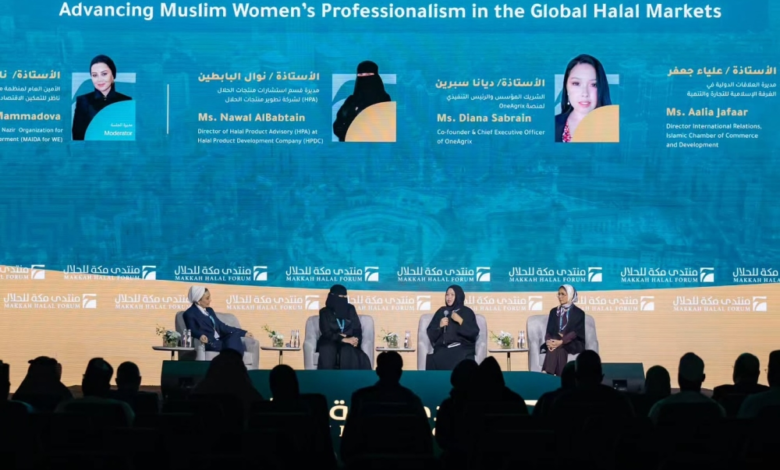
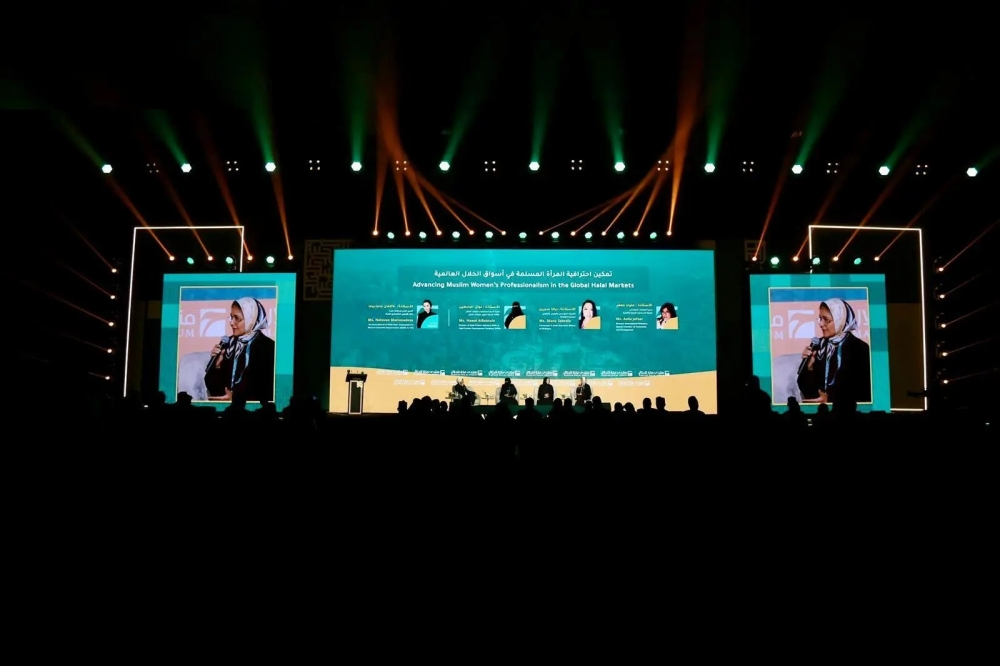
خلال جلسة حوارية بعنوان "تمكين احترافية المرأة المسلمة في أسواق الحلال العالمية"، تم التأكيد على ضرورة إدراج تمكين المرأة ضمن إطار الأثر الاقتصادي والنضج المؤسسي للصناعة. وناقشت الجلسة كيفية ربط الدور المهني للمرأة بالمكانة الاقتصادية لمكة المكرمة باعتبارها وجهة محورية لاقتصاد العالم الإسلامي، ومركزاً مؤثراً في حوكمة صناعة الحلال ومعاييره.
وقد جاءت هذه الجلسة ضمن مسار تمكين المرأة، بالشراكة مع منظمة "مايدة ناظر" للتمكين الاقتصادي للمرأة، في مقاربة تسعى إلى نقل تمكين المرأة من مستوى المشاركة الرمزية إلى مستوى الفاعلية داخل المنظومة المتكاملة لاقتصاد الحلال، عبر ريادة الأعمال، والخدمات الاستشارية، وتوظيف التقنيات الحديثة في القطاع.
سد الفجوة بين الأسواق المحلية والعالمية
أوضحت نوال البابطين، مدير قسم استشارات منتجات الحلال في شركة تطوير منتجات الحلال، أن عملها في تقديم الاستشارات للشركات الراغبة في الحصول على شهادات الحلال داخل المملكة وخارجها، أسهم بشكل مباشر في تعزيز دور صناعة الحلال وسد الفجوة بين السوق السعودي والأسواق الخارجية. وأكدت البابطين أن تمكين المرأة في هذا القطاع يتطلب إعداد برامج متخصصة في تجارة الحلال والاستثمار فيه، ووضع أهداف قابلة للتحقيق، بما يُعزّز حضور المرأة المسلمة في السوق الدولية.
وأشارت إلى أن رؤية المملكة 2030 أسهمت في تهيئة بيئة داعمة مكّنت المرأة من أداء دور ريادي في تجارة الحلال، مؤكدة أن المستقبل واعد في ظل ما تزخر به المملكة من كفاءات نسائية قادرة على قيادة مستقبل هذه الصناعة وترك بصمة قيادية مؤثرة.
التكنولوجيا والذكاء الاصطناعي كأدوات للتمكين
من جانبها، شددت ديانا سبرين، الشريك المؤسس والرئيس التنفيذي لمنصة OneAgrix، على أهمية توظيف تقنيات الذكاء الاصطناعي لدعم دور المرأة في قطاع الحلال. وأشارت إلى أن التكنولوجيا تساهم في تسريع التعلم، وتسهيل الحصول على المعلومات، وتعزيز دخول السيدات إلى الصناعة، إضافة إلى دعم الشركات ورفع مستوى حضورها في الأسواق. وأكدت أن منصتها تسعى لنشر مفهوم الحلال عالمياً وتوسيع نطاقه، مرتكزة على التوسع في بيئات محايدة ودول منفتحة على الثقافات المختلفة.
القيادة والمسؤولية المشتركة
وفي سياق متصل، أكدت ناتافان مامادوفا، الأمين العام لمنظمة "مايدة ناظر"، أن المرأة تمتلك خصائص قيادية مهمة، أبرزها الاهتمام بالمصلحة العامة، داعية القطاعات ذات الصلة إلى دعم المرأة وتمكينها، ومشيرة إلى أن هذا التمكين يُعد مسؤولية مشتركة تُسهم في تعزيز استدامة القطاع.
كما نوهت علياء جعفر، مديرة العلاقات الدولية في الغرفة الإسلامية للتجارة والتنمية، بأهمية ترسيخ دور المرأة في تشكيل المشهد الاقتصادي الإسلامي، مشيدة بدور منتدى مكة للحلال في توفير معلومات موثوقة وشفافة بشأن فرص الاستثمار، وتعزيز التواصل بين الدول الإسلامية.