100,000 kg of vegetables seized in Mecca and 6,000 inspection tours conducted before Ramadan

The Makkah branch of the Ministry of Environment, Water and Agriculture has intensified its field efforts to an unprecedented degree as part of proactive preparations for the holy month of Ramadan. Public markets and slaughterhouses have witnessed extensive monitoring to ensure food safety and consumer health. These measures are part of a comprehensive strategic plan aimed at raising compliance standards in central markets and vital facilities that experience high demand during religious seasons.
Details of the field campaign and the figures recorded
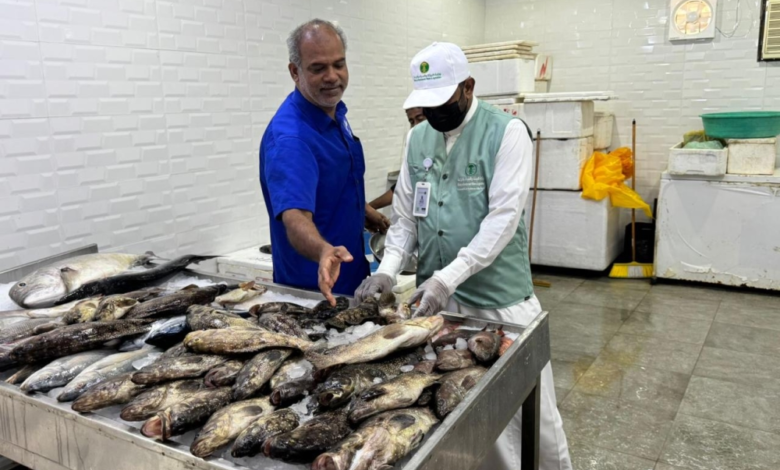
According to official statistics, Engineer Waleed Al-Daghis, Director General of the Ministry's branch in the region, revealed that inspection teams conducted a total of 6,137 monitoring visits during February. These visits were characterized by their comprehensiveness and accuracy, targeting vegetable and fruit markets, livestock markets, slaughterhouses, and butcher shops. These intensive efforts resulted in the detection of 1,042 various violations, which were dealt with according to regulations and bylaws. In addition, 306 warnings were issued to establishments that needed to rectify their operational and health conditions.
Consumer protection and food security
These campaigns are of paramount importance, extending far beyond simply monitoring violations; they represent the first line of defense for public health. In this context, inspectors were able to confiscate massive quantities of non-compliant agricultural products, exceeding 100,000 kilograms. Adhering to the principles of sustainability and food preservation, these quantities were professionally sorted. 72,511 kilograms of consumable products were delivered to food banks for distribution to needy families, while 25,591 kilograms of spoiled and unfit-for-consumption products were destroyed, ensuring that no harmful products reach the tables of those fasting.
Veterinary control and meat safety
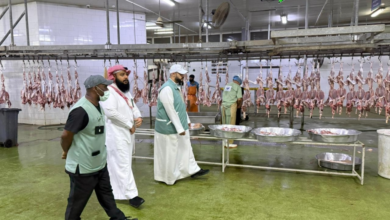
Regarding livestock, a cornerstone of food security during Ramadan, veterinary teams implemented strict oversight of slaughterhouses. A total of 176,805 animals underwent thorough veterinary inspection. These stringent measures aim to ensure that livestock are free from epidemic and infectious diseases and to guarantee adherence to health regulations during slaughtering and skinning. This reflects the Ministry's commitment to providing safe and healthy meat for consumers and preventing unregulated practices that could harm public health and the environment.
The economic and social impact of the campaigns
The impact of these inspections extends beyond public health to encompass economic and social aspects. By regulating markets and preventing the circulation of products of unknown origin, the Ministry contributes to price stability and combats commercial fraud, thereby creating a fair competitive environment for merchants and protecting the purchasing power of citizens and residents. The Ministry also called upon everyone to activate their role in community oversight, emphasizing that consumer awareness and reporting of violations through official channels are essential partners in the success of this integrated regulatory system.