
مع اقتراب شهر رمضان المبارك، تكتسي مكة المكرمة حلة روحانية فريدة، حيث تتجدد في العاصمة المقدسة مشاهد الاستعداد الروحي والاجتماعي التي تميزها عن سائر مدن العالم. لا يقتصر الأمر هنا على التجهيزات المادية فحسب، بل يمتزج بعبق التاريخ وقدسية المكان، إذ يحرص الأهالي على إحياء عادات وتقاليد توارثوها كابرًا عن كابر، تعكس عمق الارتباط الوجداني بين ساكني البلد الحرام وهذا الشهر الفضيل.
الجذور التاريخية والبعد الروحي لرمضان مكة
تتمتع مكة المكرمة بخصوصية تاريخية ودينية تجعل من استقبال رمضان حدثاً استثنائياً يترقبه العالم الإسلامي بأسره. تاريخياً، عُرف المجتمع المكي بأنه مجتمع مضياف، جُبل على خدمة الحجاج والمعتمرين، وهو ما يُعرف قديماً بـ “الرفادة والسقاية”. هذه الخلفية التاريخية تضفي على استعدادات الأهالي طابعاً يجمع بين الفرحة الشخصية والمسؤولية الدينية تجاه ضيوف الرحمن الذين يتوافدون بالملايين لأداء العمرة في هذا الموسم، مما يجعل الحراك في مكة ذا تأثير إسلامي عالمي وليس محلياً فقط.
حراك الأسواق الشعبية والتاريخية
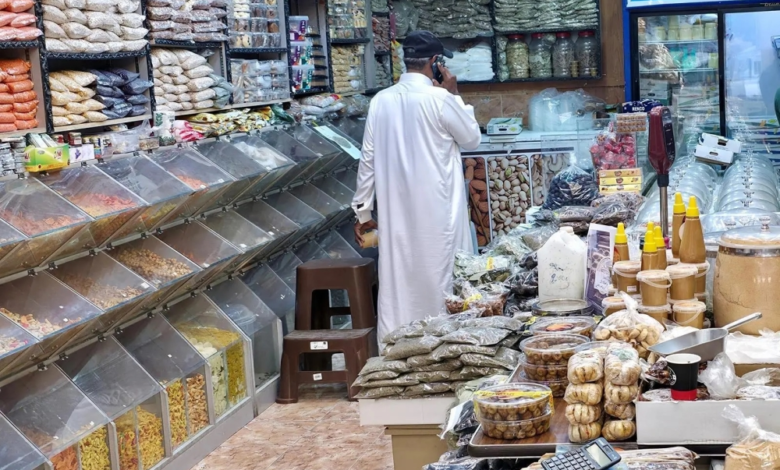
تشهد الأسواق التاريخية في مكة، وفي مقدمتها “سوق العتيبية” و”سوق العزيزية”، حراكاً اقتصادياً واجتماعياً نشطاً قبل حلول الشهر الكريم. وتعد هذه الأسواق جزءاً من الذاكرة المكية، حيث يقبل الأهالي بكثافة على شراء مستلزمات الشهر من الأواني التقليدية الجديدة، وأدوات تقديم السفرة الرمضانية. كما تنتعش تجارة البهارات والحبوب، حيث تبدأ الأسر المكية في تحميص البهارات وتجهيز الدقيق وتحضير “السمن البري” في المنازل، لتفوح من البيوت روائح تعلن قرب الصيام.
عادات التزيين والمائدة المكية
من أبرز العادات المتأصلة لدى العائلات المكية ما يُعرف بـ “شعبنة” أو التجهيز المبكر، والذي يشمل ترتيب المنازل وتهيئتها، وتبخيرها بأجود أنواع العود والبخور، وتعليق الفوانيس ابتهاجاً بالضيف الكريم. أما المائدة الرمضانية في مكة، فلها طابعها الخاص، حيث تتصدر مشروبات مثل “السوبيا” المكية الشهيرة المشهد، إلى جانب أطباق الفول والسمبوسك والشوربة التي تُعد بطرق تقليدية خاصة بأهل الحجاز، مما يعكس ثراء الموروث الشعبي للمنطقة.
التكافل الاجتماعي والمبادرات الخيرية
لا تكتمل الصورة دون الحديث عن الجانب الإنساني؛ فقبل رمضان، تنشط المبادرات الخيرية والاجتماعية بشكل لافت. يقوم الأهالي والجمعيات بتوزيع السلال الغذائية على الأسر المحتاجة، وتجهيز وجبات “إفطار صائم” التي تُرسل للجيران أو توزع في ساحات الحرم المكي الشريف والطرق المؤدة إليه. هذه الممارسات ليست مجرد أعمال خيرية، بل هي جزء من الهوية المكية التي تتجسد فيها أسمى معاني الجود والكرم، مؤكدة على استمرارية القيم النبيلة في مدينة تحتضن قبلة المسلمين وتستشعر عظمة الزمان والمكان.