Ruben Amorim's sacking from Manchester United: The reasons and behind-the-scenes details

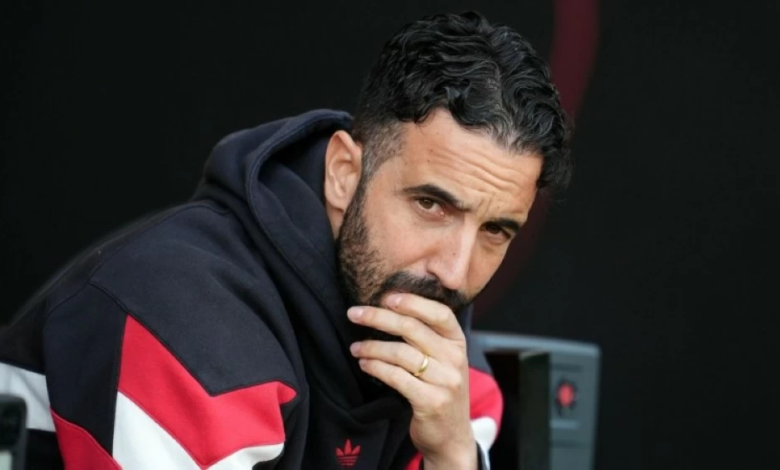
On a cold winter morning in Manchester, the curtain finally fell on the era of Portuguese coach Ruben Amorim at Manchester United, ending a mere 14 months in charge amidst a storm of controversy. The storied English club announced on Monday that they had parted ways with their manager, leaving the Red Devils once again at square one in their search for the long-lost stability at the "Theatre of Dreams.".
The straw that broke the camel's back
The swift dismissal came after a disappointing 1-1 draw against Leeds United on Sunday evening, a result that left the team stagnating in sixth place in the Premier League table. While the result itself wasn't disastrous by footballing standards, it was the spark that ignited a firestorm of anger within the club, especially as it coincided with a lackluster performance that fell far short of the fans' aspirations of competing for the title.
Behind the scenes of the clash with management
Press reports, most notably from Sky Sports, revealed that the dismissal was not a spur-of-the-moment decision, but rather the culmination of deep-seated disagreements between Amorim and the club's new management structure, specifically sporting director Jason Willcox. The coach was informed of the decision in a morning meeting attended by CEO Omar Berrada, thus closing a chapter marked by tension surrounding responsibilities and the transfer market.
In an official statement, the club explained that the decision was taken "reluctantly" and with the aim of "giving the team the best chance to finish the season in the highest possible position," a diplomatic formulation that masks growing management concern about losing control of the dressing room and the team's trajectory.
The fiery statement: "I am the technical director."
Perhaps the immediate reason that hastened Amorim's departure wasn't just the results, but his fiery statements following the Leeds match. The 40-year-old Portuguese coach appeared at the press conference with an unprecedentedly defiant tone, openly criticizing the scouting department and the sporting director, stating clearly: "Guys, I came here to be the manager of Manchester United, not just a coach… I know my name isn't Tuchel, Conte, or Mourinho, but I'm the one running this club now." The management considered these words a crossing of red lines and a blatant challenge to their authority.
The identity crisis in the post-Ferguson era
This dismissal once again highlights the crisis of stability that has plagued Manchester United since Sir Alex Ferguson's retirement. The club, once a model of managerial stability, has transformed in the last decade into a "graveyard for managers," with a succession of high-profile names unable to withstand the pressures of Old Trafford and the expectations of a trophy-hungry fanbase. Amorim's departure reflects the continued confusion surrounding the club's sporting vision and the ongoing conflict between the managers' tactical approaches and the administration's strategic plans.
New transitional phase
With Amorim's departure, the club has temporarily entrusted the role to Darren Fletcher, who will lead the team in their upcoming match against Burnley on Wednesday. Fletcher faces the daunting challenge of restoring calm to the dressing room and delivering immediate results to salvage the season both domestically and in Europe, while Amorim's departure leaves behind significant questions about the future of the English giants and their ability to return to winning ways.